Cutting Carbon in Semi Fabs: Why the Housing Actually Matters
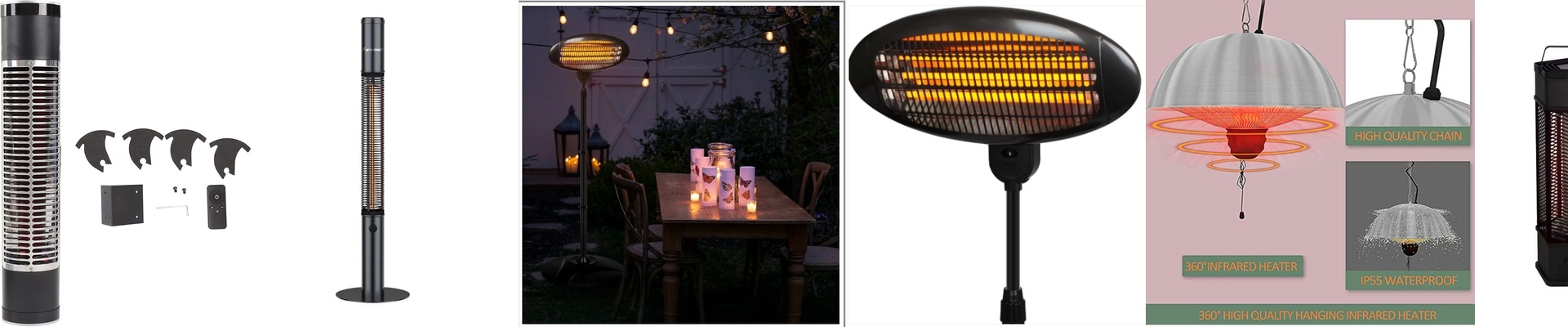
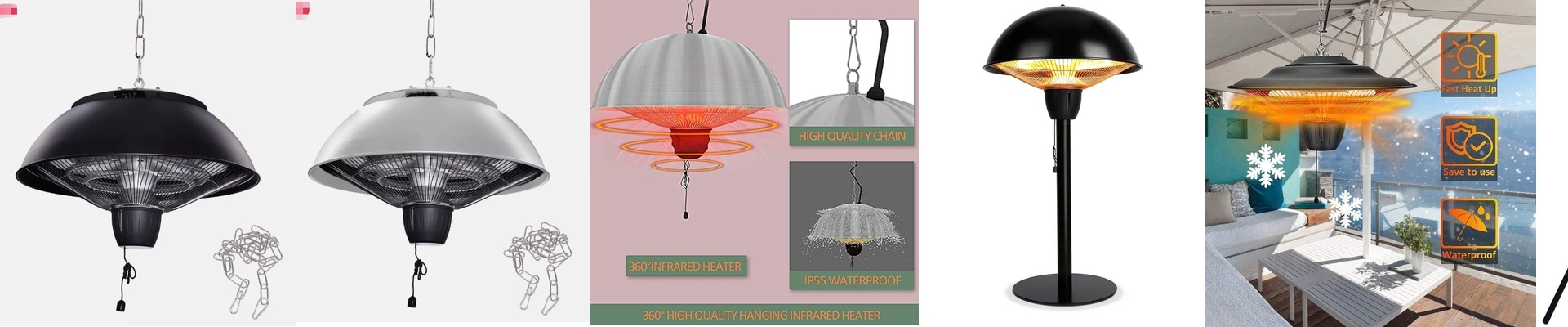
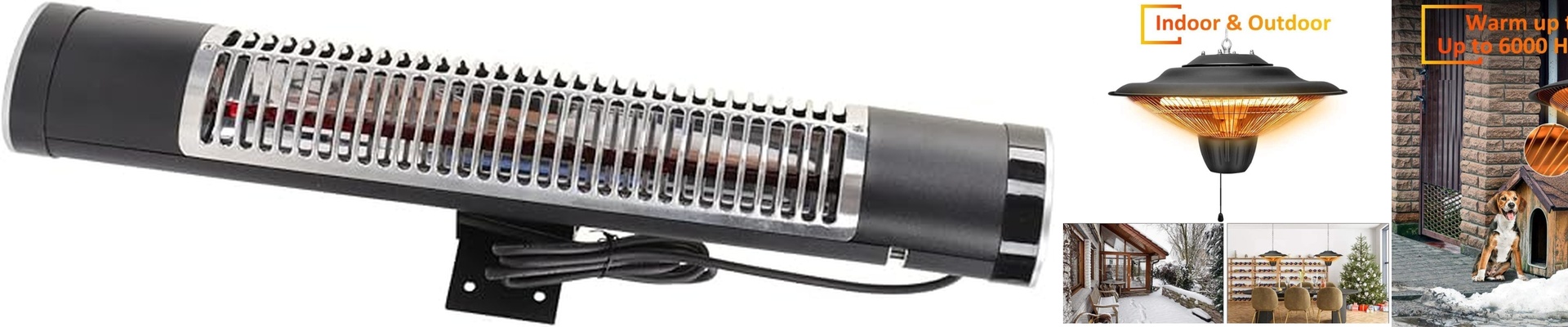
Every semiconductor fab is feeling the heat right now to hit those net-zero targets. It’s a lot of pressure. One of the quickest wins is ditching those old resistive heaters for specialized infrared (IR) systems. But here’s the thing: the fancy IR lamps are only half the battle. If the stainless steel housing they sit in isn’t built right, you’re just throwing energy away.
It’s More Than Just a Bracket
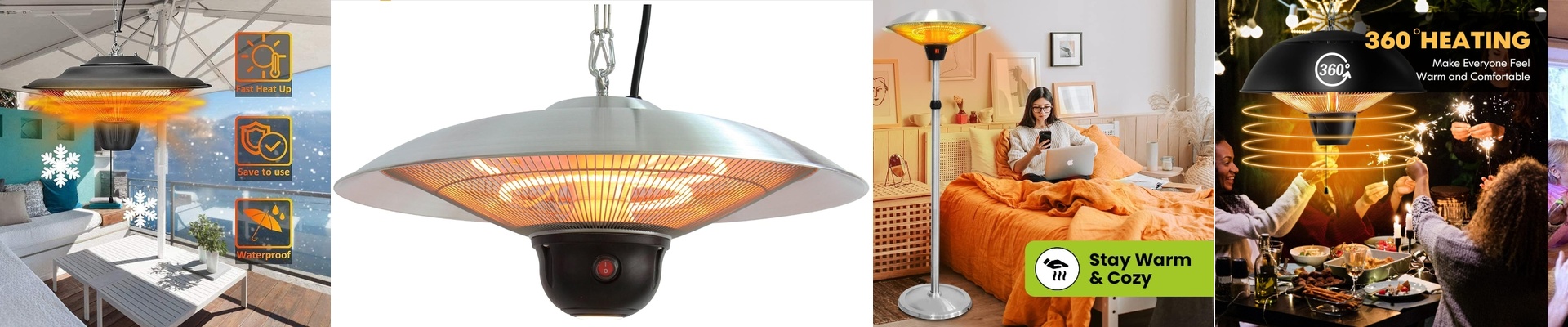
Think of the housing as a tool for managing heat, not just a piece of metal holding a lamp. We stick with high-grade stainless steel because cleanrooms are brutal. You can’t have oxidation or random flakes of metal contaminating your wafers. Plus, if the heat isn’t spread evenly, your wafers warp. That’s a nightmare no one wants. We shape the housing to bounce that IR radiation right back toward the target. It keeps the heat where it belongs and stops it from leaking into the rest of the machine. When the reflection is dialed in, you can turn the wattage down and still hit your target temperature.**Less power, same result.**That’s how you actually drop your kilowatt-hour usage per wafer.
The Trade-off (And Why It’s Worth It)
Now, stainless steel doesn’t move heat as fast as aluminum. On purpose. We don’t want the heat soaking into the machine frame; we want it on the wafer. Sure, it takes a bit longer to warm up when you first flip the switch. But once it hits that sweet spot, it stays there. It creates a stable thermal mass. This means your PID controllers aren’t constantly “hunting” for the right temp—which is basically just wasting electricity. It just feels… steady.
The Bottom Line for Your Green Metrics
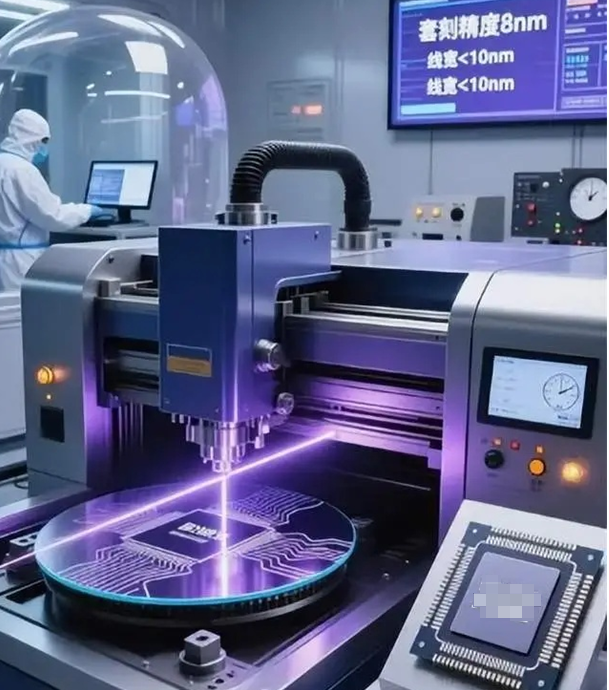
The beauty of IR is that you’re heating the part, not the entire room. You stop wasting energy on the air around the machine. When you pair a precision-cut stainless housing with short-wave IR lamps, the ramp-up time plummets. You get your parts through the cycle faster. It’s simple math. Less time plugged in means less carbon pumped out.