
Stop the Bathroom Mold Battle (Once and for All)
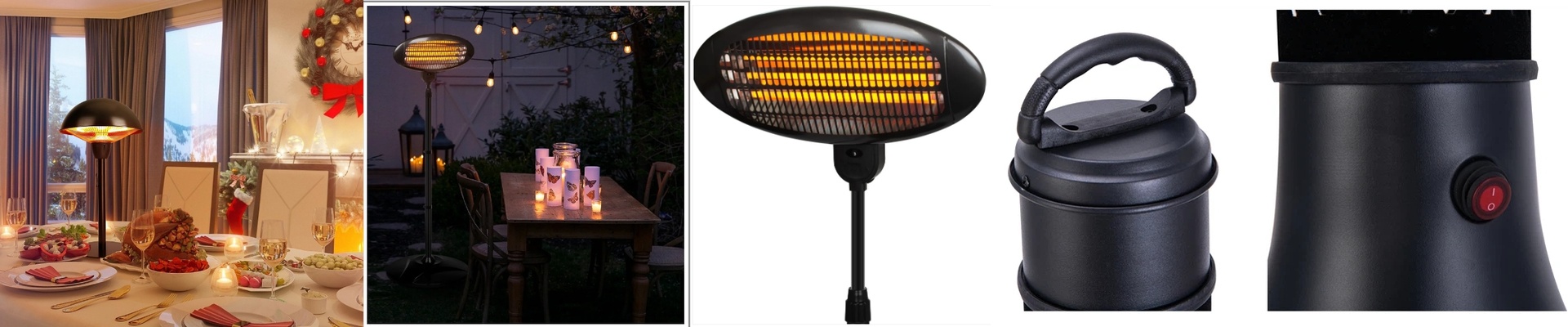
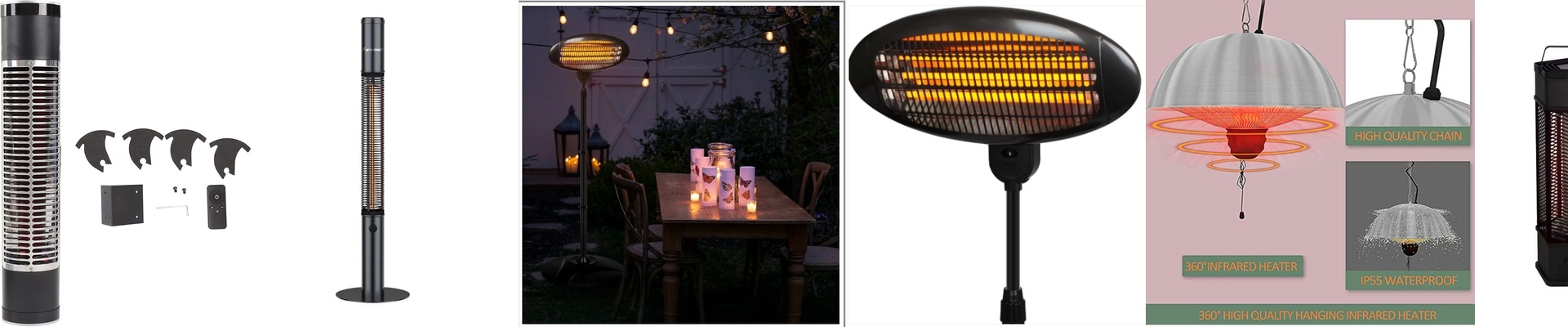
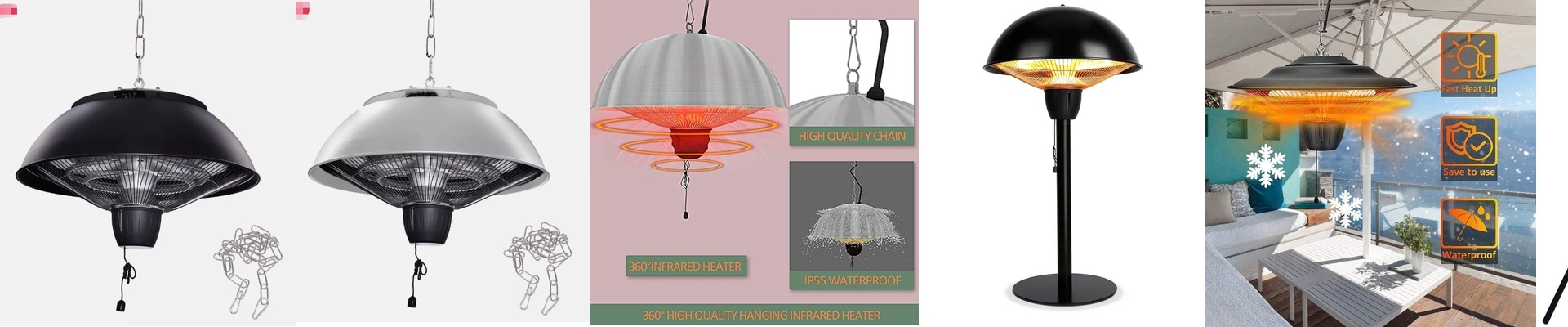
Most people look at those infrared lamps in the bathroom and just think, “Oh, a heater.” But if you look at it from a builder’s perspective, it’s less about warmth and more about winning a war against moisture. When we put a high-ceiling infrared heater in a room, we aren’t just trying to warm up the air. We’re actually targeting the water clinging to your walls and ceiling.
How it actually works
We use something called shortwave infrared. Now, don’t let the terminology bore you—here is the simple version: while regular heat just warms the air around you, shortwave energy digs deeper. It hits the moisture trapped in your grout and porous tiles, making those water molecules vibrate until they evaporate. It’s basically a shortcut to a dry room. By keeping the ceiling warm enough, the steam from your shower never has a chance to turn back into water droplets. And since mold needs standing water to survive, you’ve just taken away its food source.
The gear you need
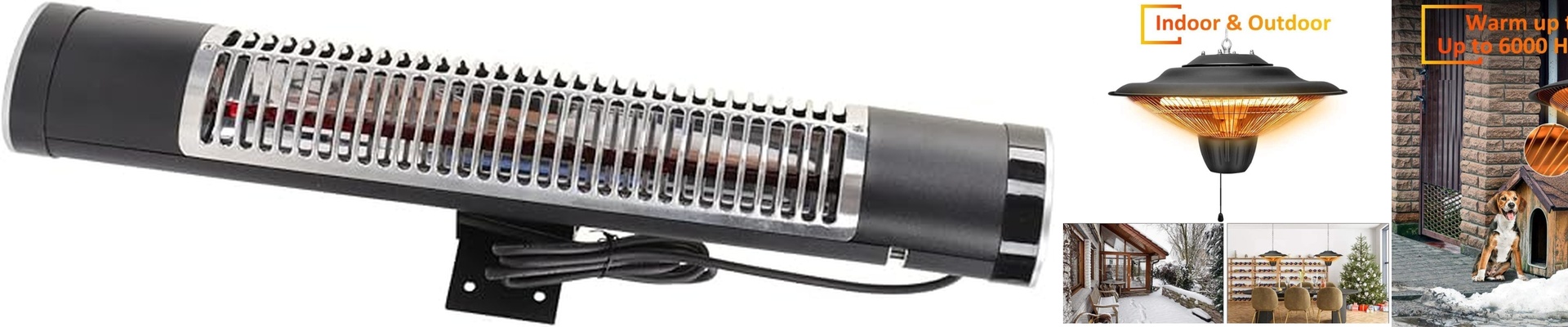
To make this work in a room with high ceilings, you can’t just use any old bulb. You need quartz glass tubes with halogen fills. Why? Because you need a lot of punch to push heat across a 10-foot drop. These things gethot. Like, really hot. That’s why we use R7s or SK15 connectors. They stay locked in tight and won’t snap or spark when the metal expands from the heat. One big tip: get your wattage right. If you go too low, you’ll end up with “cold spots” where mold will still find a place to hide. But if you go overboard, you might actually melt your fixture housing. It’s a balancing act.
The trade-offs
Here’s the catch: shortwave lamps are instant, but they have a very narrow beam. You can’t just slap one in the middle of the ceiling and call it a day. You’ll end up with dead zones. You have to actually map out where the heat is hitting to make sure the whole room is covered. Also, a word of warning on the wiring. Because these tubes run at extreme temperatures, you need heat-rated wires. If you use the cheap stuff, the insulation will probably crisp up and burn out in a few months. Not a great look.