
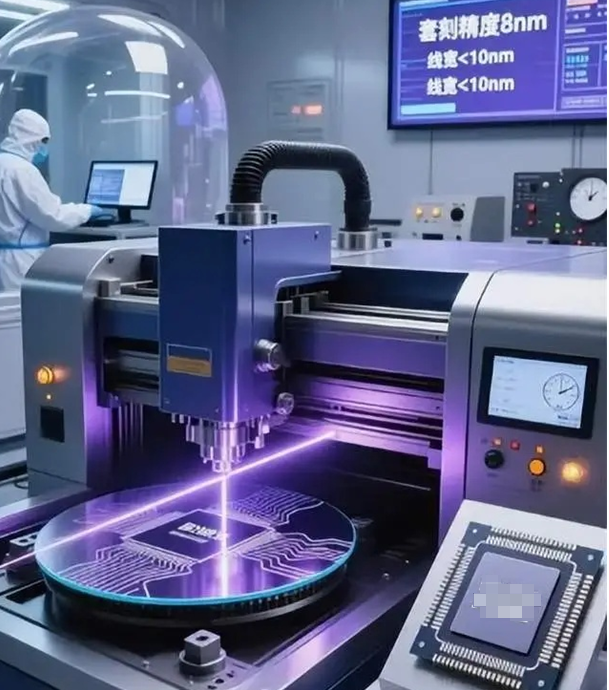
Why UHP Infrared Curing is the Right Move for Lead-Free Chips
When you’re fabricating semiconductors, the last thing you want is a stray speck of residue ruining a batch. It’s a nightmare. That’s why we lean on Ultra High Purity (UHP) infrared lamps. Since they don’t rely on chemical solvents or combustion gases, they just… work. They fit right into those “lead-free” and “green” standards without you having to jump through a dozen hoops.
How the heat actually moves
Most people think of convection ovens—heating up the air and hoping for the best. But UHP lamps are different. They use short-wave infrared radiation to hit the substrate directly. Think of it like sunlight hitting your skin on a cold day. The air is still chilly, but you feel the heat instantly. Because we’re moving energy via photons instead of blowing air around, there’s way less risk of cross-contaminating your wafers. Plus, the ramp-up is incredibly fast. You aren’t waiting around for a massive thermal tunnel to warm up, which saves a ton of electricity.
The nitty-gritty on materials
We don’t use standard glass. It would either outgas or just shatter under the intense stress of a semiconductor line. Instead, we use high-purity synthetic quartz. The filaments are dialed in perfectly. We make sure the spectral output triggers the curing agent exactly when it should, so you don’t end up scorching your wafers. We also add specialized coatings to tune the wavelength. This is the secret sauce. It lets the heat soak into the photoresist layer without cooking the silicon base. You just have to make sure the lamp’s peak emission matches the chemistry you’re using.
A few things to watch out for
Look, these high-wattage lamps put out a massive amount of heat. It’s powerful stuff. That means your power supply and cooling manifolds are going to feel the strain. If your cooling isn’t up to the task, your lamps won’t last nearly as long as they should. Do yourself a favor and double-check your airflow rates before you wire these into a high-density array. The good news? These are basically drop-in replacements for those clunky, old heating elements. You get to ditch the carbon footprint of gas-fired systems, keep your floor cleaner, and get your cycles done faster.