A Better Way to Cure Bio-Sensors
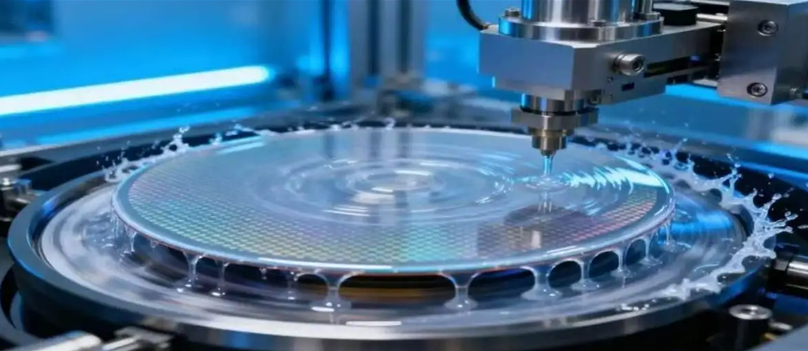
When you’re building bio-sensors, you’re walking a tightrope. You need enough heat to cure your adhesives and layers, but if you push it too far, you’ll fry the organic components. It’s a delicate balance. That’s why we use shortwave infrared (IR) lamps. Instead of heating up a giant box of air and hoping for the best, IR sends energy straight into the substrate. It’s direct. It’s fast. And it saves you from wasting a ton of energy just to warm up an oven. Why this actually works Think about a standard convection oven. It heats the air, and air is honestly pretty bad at moving heat around. IR is different. It uses photons that dive right into the material, triggering the chemical reaction from the inside out. The difference in speed is wild. We’re talking seconds to hit target temperatures, not minutes. Your energy bills drop, and your workflow just feels… smoother. Keeping it clean The semiconductor world is pushing hard for “green” and lead-free standards. IR curing fits right into that. It’s a clean process. No combustion, no nasty greenhouse gases popping off at the workstation, and you can ditch the chemical solvents usually used to speed up drying. Plus, because the heat is so targeted, your cleanroom HVAC doesn’t have to work overtime to cool the room back down. It just makes the whole fabrication line a lot lighter on the planet. The tricky parts Now, it’s not all magic. There are some things you have to watch out for. If you crank the IR lamps too high, you can get “skinning.” That’s when the surface cures instantly and traps solvents underneath—basically creating a bubble. To fix this, we usually stage the power or use pulsed IR. And don’t forget your cooling fans. If you don’t spec them correctly, the heat soak can warp your sensor substrate, and then you’ve got a very expensive piece of scrap. One last tip: if you’re wiring these into a high-voltage circuit for stability, just make sure your controllers can keep up with the rapid switching. Precision is everything here.