Why Infrared Curing is the Semiconductor Standard
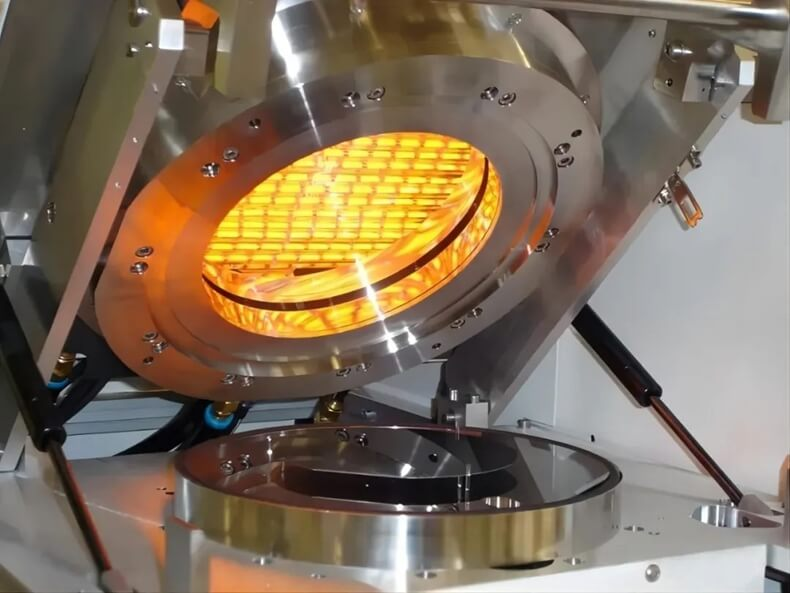
We build reflectors for wafer curing lamps because, honestly, the semiconductor world needs a drying process that’s both precise and clean. Infrared curing has become the go-to standard for lead-free, energy-smart manufacturing. And here’s why: it puts heat exactly where you need it, without turning the whole chamber into an oven. That means you can ditch solvents and stop fighting excess airflow. The payoff? Less energy used, and you still meet tough environmental controls. You get a curing profile you can count on, one that keeps wafers intact—no surprises, no compromises.
Getting Under the Hood: Power, Voltage, and Size
At the heart of our wafer curing lamp is a high-density halogen infrared source. Most setups run at 400V to pack the right amount of wattage into a compact 300mm tube. Why that combo? Because it delivers serious heat in a small footprint, so the lamp slips easily into tight spots in your tools. The 300mm length isn’t random. It lines up with standard wafer processing zones and lets the reflector focus energy into a tight, even pattern. And that uniformity matters—because without it, you get uneven curing, and uneven curing means scrap. Let’s be real about the trade-off: high wattage at 400V creates a lot of heat density. So your cooling system has to be up to the job. Plan for solid airflow and smart thermal management—don’t cut corners here.
Materials and Design: Coatings, Quartz, and Connectors
We wrap the lamp in quartz because it handles rapid heating and cooling without blinking, and it keeps output steady. The reflector gets a coating designed to bounce back IR and cut down on stray light. That keeps the energy focused on the wafer, which boosts yield and wastes less power. And the connector? It’s a make-or-break detail. An R7s base gives you a secure, high-temperature electrical connection that stays reliable even when you’re in and out of the tool for maintenance. It’s a drop-in interface, so swapping the lamp is fast—meaning less downtime and less headache.
On the Floor: What It Feels Like to Use
Out on the line, the reflector and lamp work together like a single, well-tuned thermal unit. The focused IR energy cures photoresist and other coatings quickly, so cycle time drops while energy use stays low. It runs without lead-based materials, so you’re aligned with global environmental standards without extra fuss. You get temperature control you can trust, and that means fewer reworks and steady throughput. The design is built for easy installation and for holding up in 24/7 fabs—day after day. One practical note: the lamp is tough, but it still needs clean power and the right handling. Treat it like the high-temperature workhorse it is, and it will keep taking the daily beating without letting you down.
The Real Takeaway
Infrared curing meets semiconductor standards because it’s clean, fast, and controllable. Pair it with a properly engineered reflector and lamp, and you get the performance your fab needs—without compromising on environmental compliance.