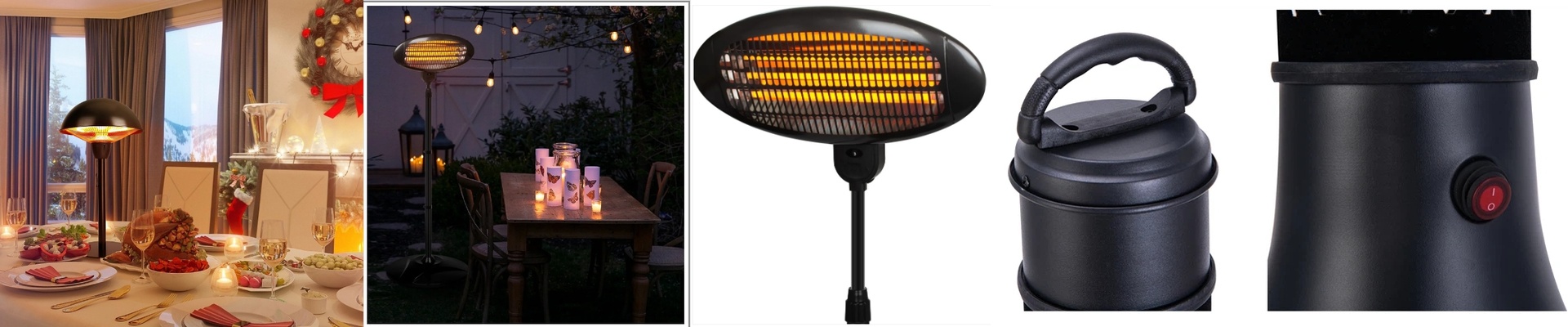
Stop the Bathroom Damp: How Our Infrared Heaters Actually Work
Most people think of those bathroom heat lamps as just a way to keep from shivering while you get dressed. But from where we sit, it’s about more than just a cozy feeling. It’s about fighting the humidity that ruins your walls.
The trick to drying out a room
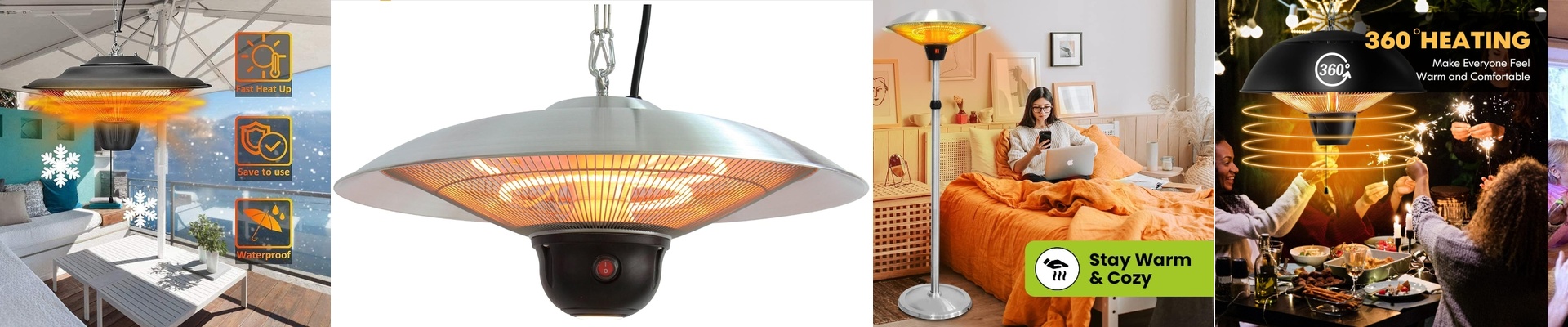
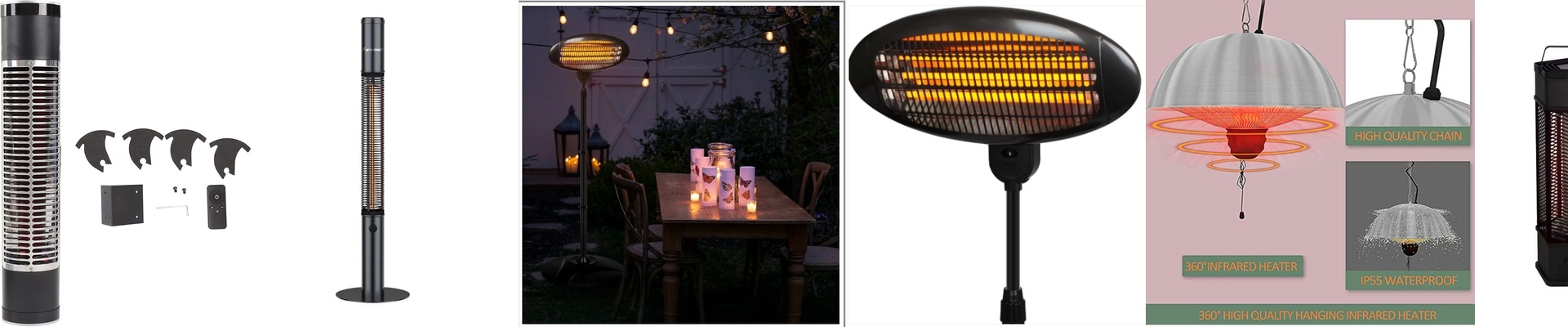
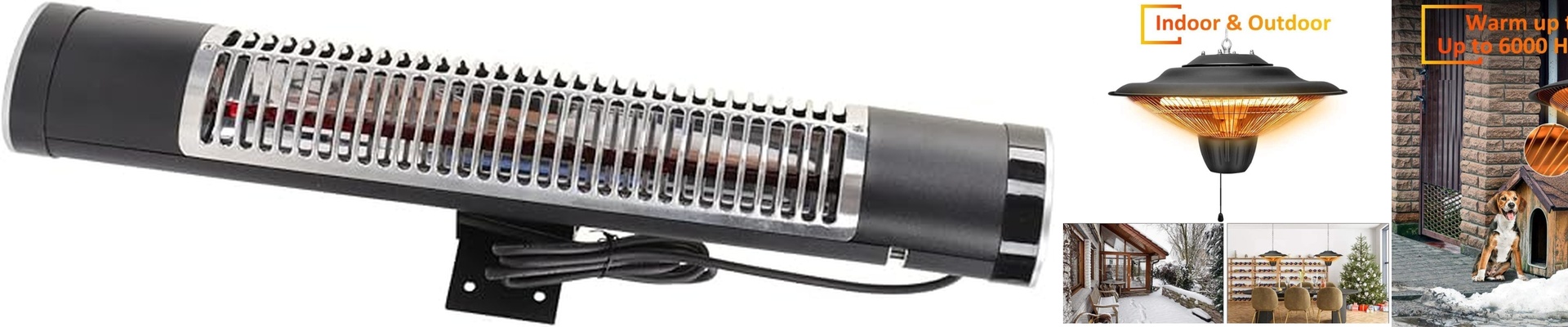
Here is the thing about most heaters: they just warm up the air. That’s fine, but it doesn’t do much for the dampness clinging to your walls. We do things differently. We use short-wave infrared radiation. Instead of heating the air, these waves go straight for the surfaces. When that heat hits your wet tiles or grout, it shakes up the water molecules and forces them to evaporate faster. It’s basically a shortcut to a dry bathroom. By keeping your surfaces warm, you stop condensation from forming in the first place. And if there’s no standing water, mold doesn’t have a place to grow. Simple as that.
Built for the steam
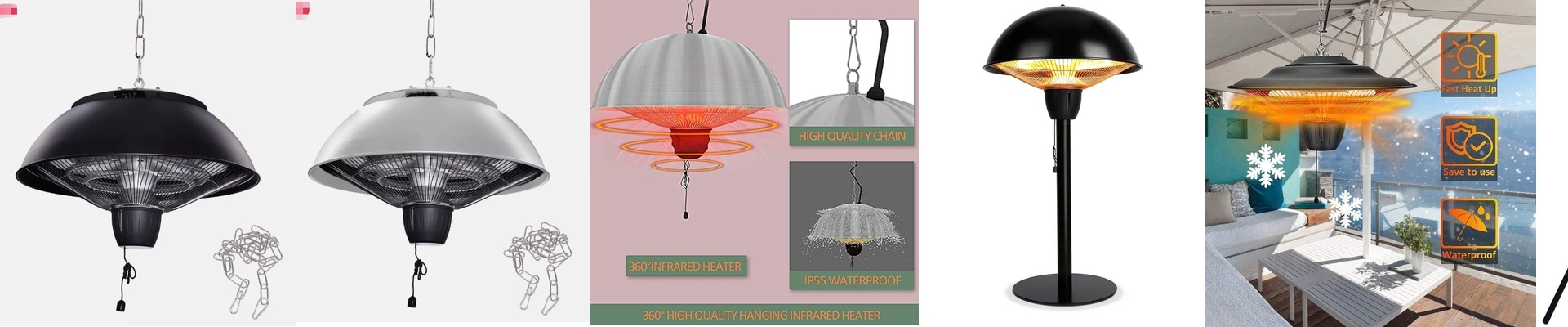
Bathrooms are a nightmare for electronics. Between the steam and the occasional splash, things tend to break. That’s why we built these to IP55 standards. It’s a fancy way of saying they can take a beating. We sealed the housing tight so moisture can’t sneak in and fry the wiring or rust the terminals. We also used high-grade quartz glass. Why? Because switching on a heater in a freezing, damp room creates a massive temperature shock, and cheap glass would just crack. Ours doesn’t.
Finding the sweet spot
Now, there is a trade-off. To clear steam quickly, you need high wattage. This gives you a ton of heat in a tiny package. But that heat is intense. If you mount the lamp too low, it’ll feel like you’re standing under a heat lamp at a buffet—way too hot. The trick is getting the mounting height just right. You want it high enough to be comfortable, but positioned to dry the room efficiently. If you really want to nail it, wire these into a timer or a humidity sensor. That way, the lamps run exactly as long as they need to and then shut off. It saves power and keeps the heating elements from wearing out too fast.