Why we put our IP55 heaters through the wringer
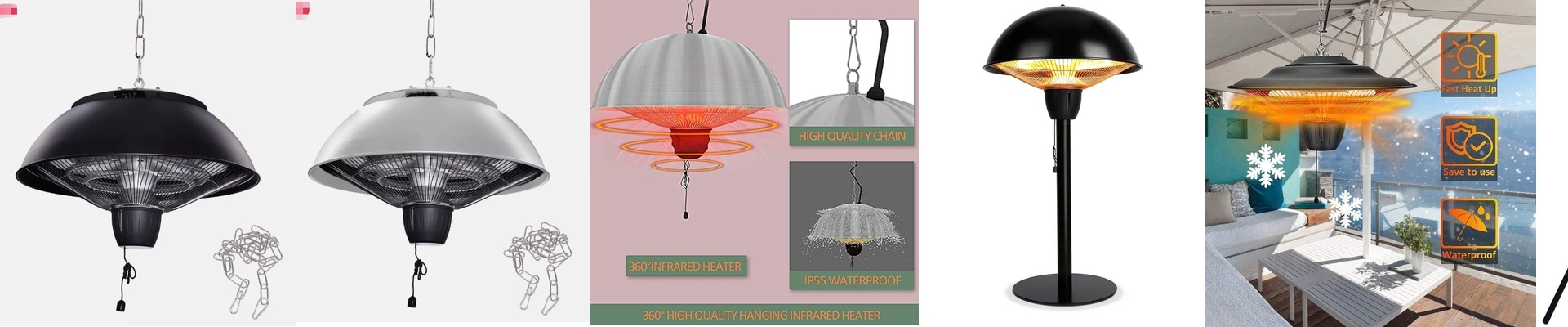
Bathrooms are pretty brutal for electronics. Think about it: you’ve got thick steam, direct splashes from the shower, and temperatures that swing from freezing to boiling in minutes. We build our table heaters to an IP55 standard, but here’s the thing—a rating on a spec sheet doesn’t mean much if the unit shorts out after six months of real-world use.
The problem with steam
IP55 sounds great. It means the heater can handle dust and a few low-pressure water jets. But steam? Steam is a different story. Water vapor is sneaky. It slips through seals that liquid water can’t touch. Once it gets inside, it settles on the electrical terminals and the lamp housing. That leads to rust, corrosion, and eventually, a nasty electrical arc. To stop that from happening, we run “damp-heat aging tests.” Basically, we cram these heaters into a chamber and blast them with intense heat and saturated humidity for weeks. We’re trying to break them. We want the gaskets or cable glands to fail in our lab, not in your customer’s bathroom.
The “breathing” effect
Infrared elements get incredibly hot. When you flip the switch off, the materials inside the heater contract as they cool down. In a humid room, this creates a “breathing” effect. The unit literally sucks moist air into the chassis. We spend a lot of time watching how the seals handle this. If a seal shrinks or gets brittle, that IP55 rating is gone. We tear the units open to check for corrosion on the wires and make sure the insulation is still doing its job.
Finding the sweet spot
You might think, “Just seal it tighter!” But there’s a catch. If we make the seal too airtight, the heat gets trapped inside. The electronics start to bake, and the capacitors die early. It’s a balancing act. We have to figure out exactly how to keep the moisture out without cooking the internals. A bit of clever venting, some smart heat-sinking, and a lot of testing. That’s how we make sure the heater stays dry and keeps running for years.