Keep Your Patio Full, Even When It’s Freezing
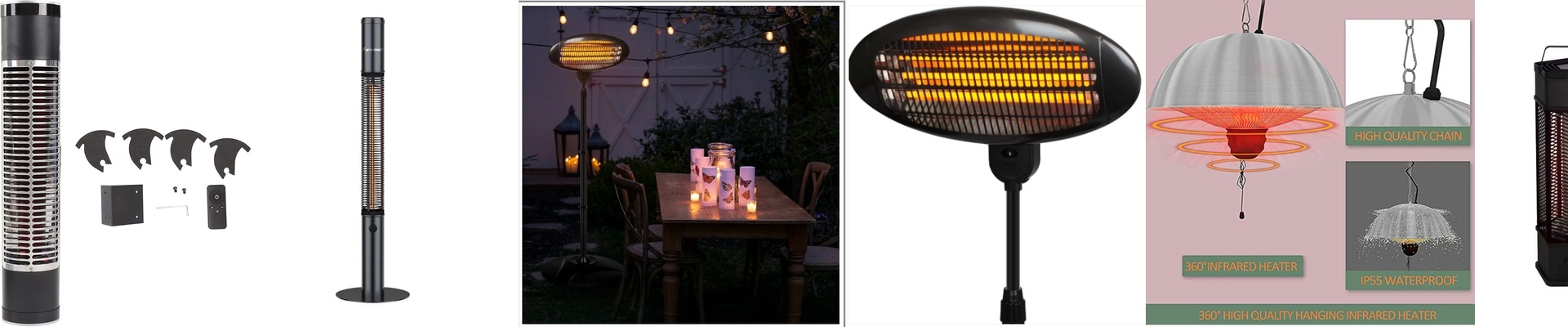
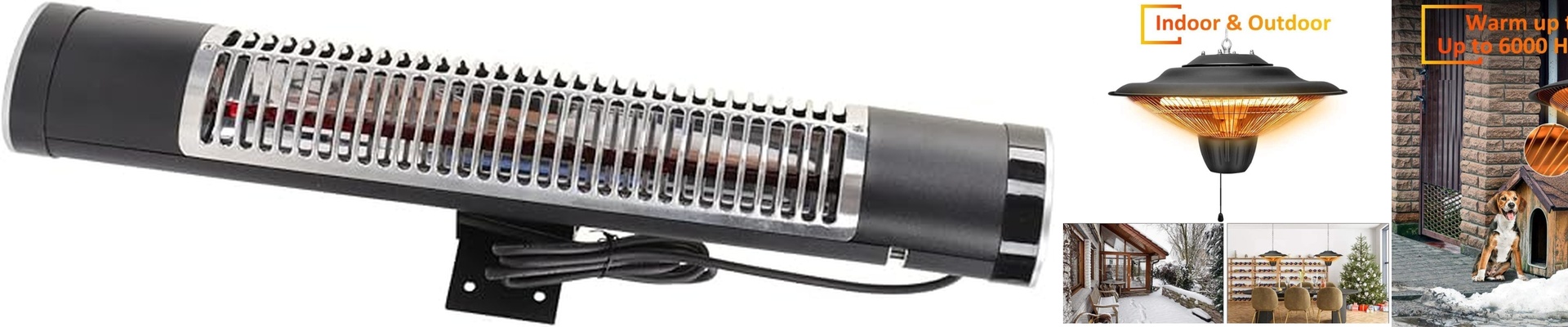
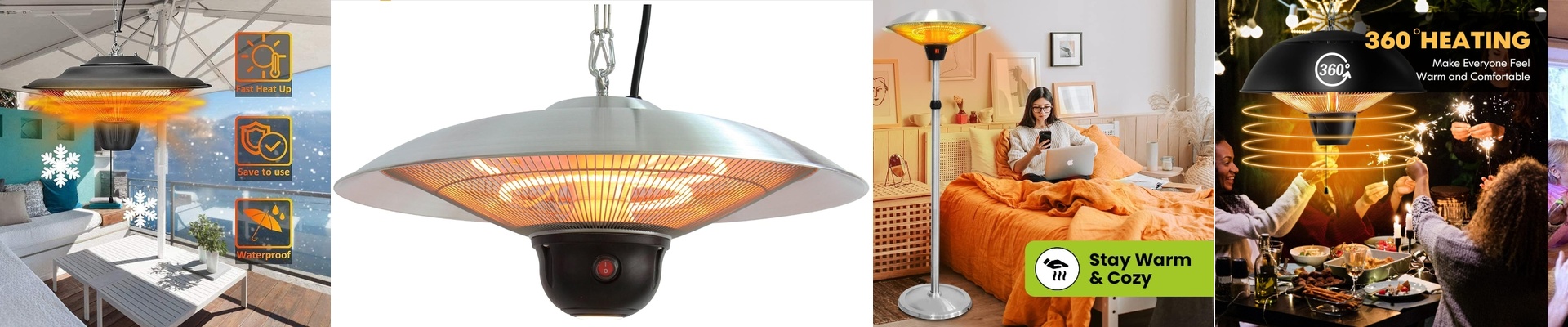
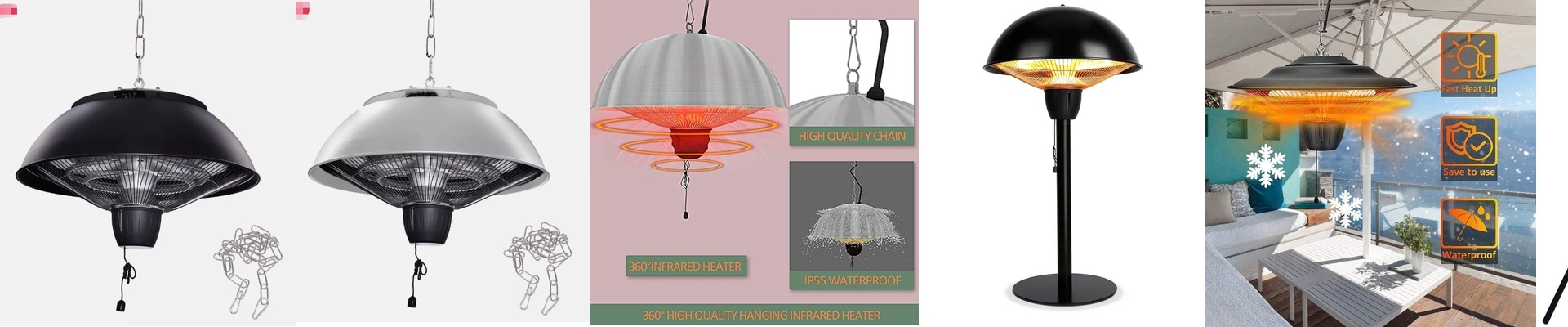
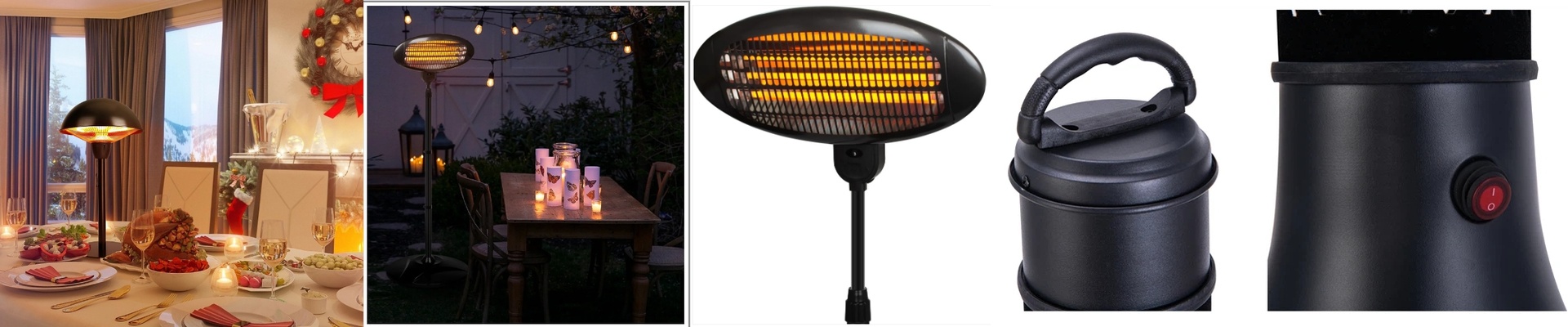
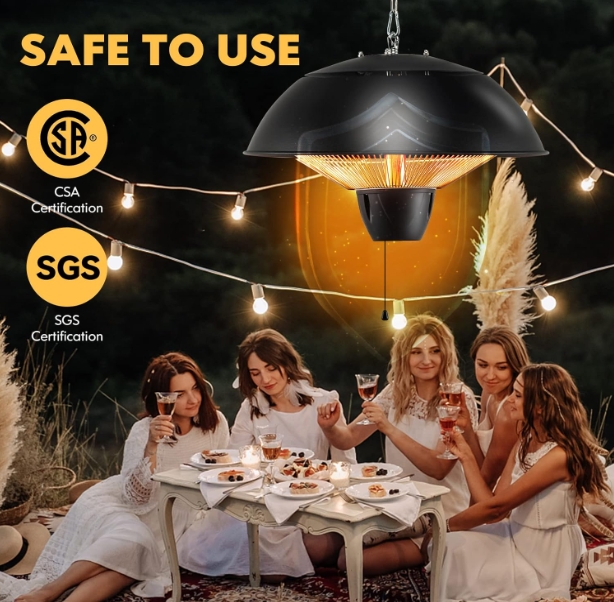
Let’s be honest: most outdoor patios are ghost towns the second the temperature drops. Standard space heaters just don’t cut it because the wind carries the heat away before it even reaches the guest. It’s a waste of electricity and a waste of space. That’s why we use shortwave infrared. Instead of trying to warm up the entire outdoors (which is impossible), these heaters beam warmth directly onto your customers and their chairs. It feels like sitting in a patch of sunlight on a crisp day. The wind can howl all it wants—the heat stays put. The secret to faster table turns Here is the thing about dining in the cold: if a customer is shivering, they’re looking at the exit. They’ll rush through their meal just to get inside. But when they feel that instant hit of warmth the moment they sit down? They relax. They order that extra round of drinks or a dessert they weren’t planning on. Their appetite decides when they leave, not the weather. This means you can keep your patio humming in the middle of February while your competitors are locking their doors. The nitty-gritty on setup Now, you can’t just plug these into a random wall outlet. These units pull a fair amount of power to keep those “heat zones” cozy. When we map out a patio, we make sure the heat cones overlap a bit. Nobody likes a “cold spot” right in the middle of their dinner. Just a heads-up: more power means faster heat, but it can be hard on your electrical system. You’ll want these on their own dedicated circuits. Trust me, the last thing you need is a breaker tripping right during the Friday night dinner rush. Does the math actually work? It really comes down to the money you’re leaving on the table. Think about it. If you have 10 outdoor tables with an average check of $50, and these heaters let you stay open for another 60 days of winter, the gear pays for itself almost immediately. We build these things to be tough. They’ve got weather-resistant shells and reflectors that don’t fade over time, so they keep pumping out heat year after year. It’s basically the easiest way to grow your square footage without having to build a permanent wall or deal with a construction crew.