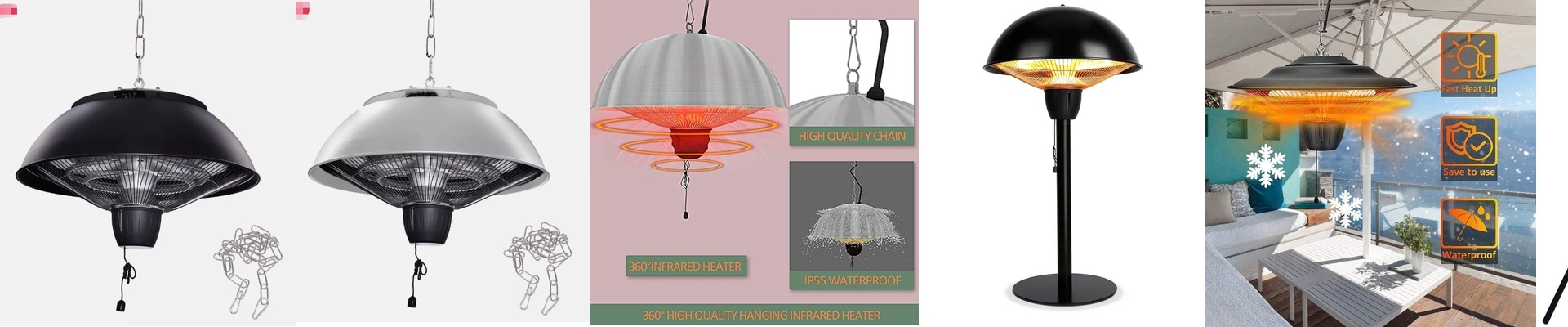

Stop Throwing Away Your Patio Heaters
Let’s be honest: outdoor bars are brutal on equipment. Between the rain, the humidity, and the constant temperature swings, your heaters are basically fighting a losing battle against the elements. Eventually, the heating element is going to give out. It happens. Usually, that’s where the nightmare begins. Most heaters are built like sealed vaults. When one part dies, you’re stuck either spending hours tearing the whole thing apart or—more likely—just tossing the entire chassis in the trash and buying a new one. That feels like a waste of money. So, we did things differently. We went with a modular design.
The “Swap and Go” Approach
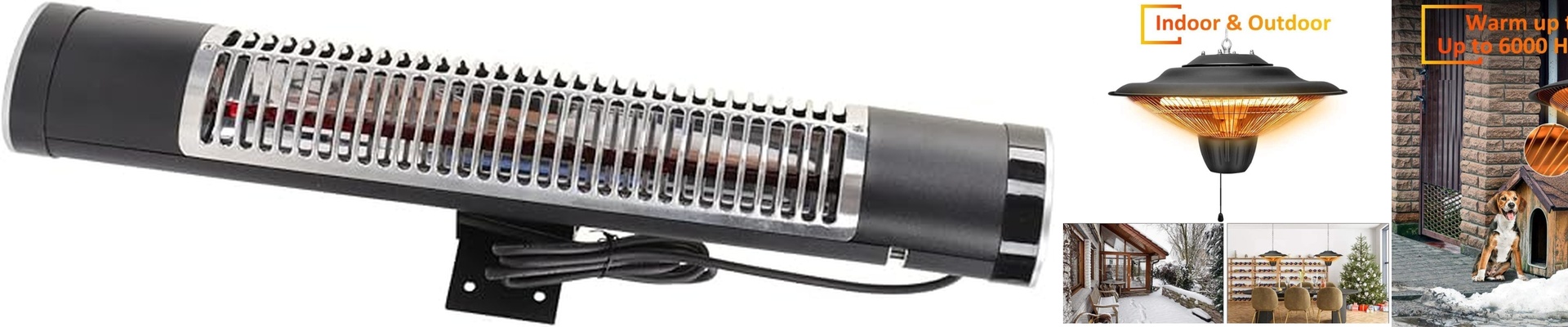
Instead of burying the electronics deep inside the frame, we grouped the heating element, the reflector, and the wiring into one single assembly. Think of it like a cartridge. When a tube burns out after a few years of hard work, you don’t have to rewire the whole patio. You just pull the old module out and drop a new one in. It’s a plug-and-play deal. It’s fast. Really fast. And it means your guests aren’t shivering while you spend half a Saturday playing surgeon with a screwdriver.
The Battle Against Water
Now, here is the tricky part: waterproofing usually makes things impossible to open. To get around that, we used IP-rated gaskets around the housing. It keeps the rain and damp air away from the electrical terminals, but it doesn’t lock the module in forever. You still have the access you need. But a quick heads-up: these tubes gethot. Like, really hot. That heat can make gaskets shrink or get brittle over time. Because of that, you’ll want to give your seals a quick check once a year. If a seal fails, moisture sneaks in, you get a short, and the heater quits. A two-minute check saves you a massive headache later.
Making it Last
Infrared tubes aren’t immortal. After a few thousand hours of use, you’ll notice they just aren’t hitting the same temperature they used to. But because of the modular setup, you don’t have to spec out a brand-new heating system every five years. You just replace the part that actually wears out. It keeps your costs down and keeps the junk out of the landfill. Simple as that.