Keeping Your Outdoor Heaters From Dying Early
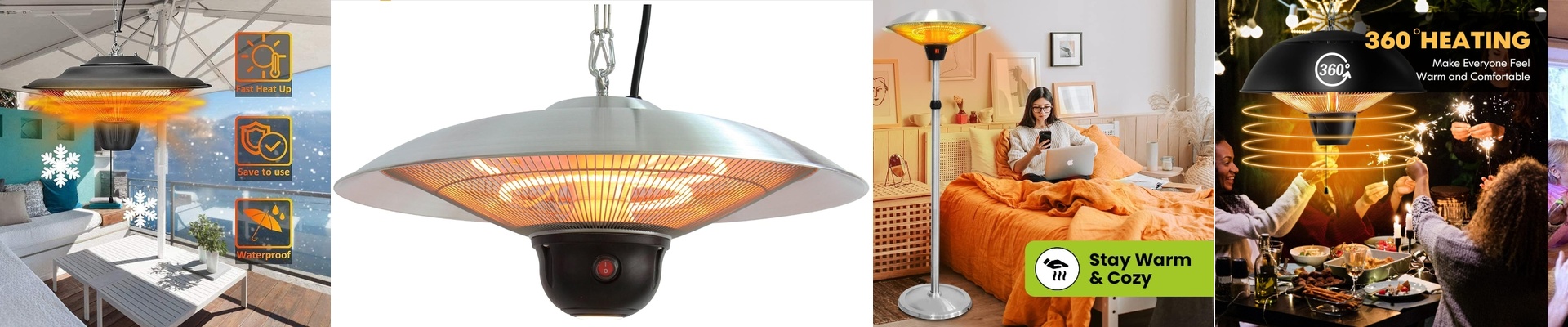
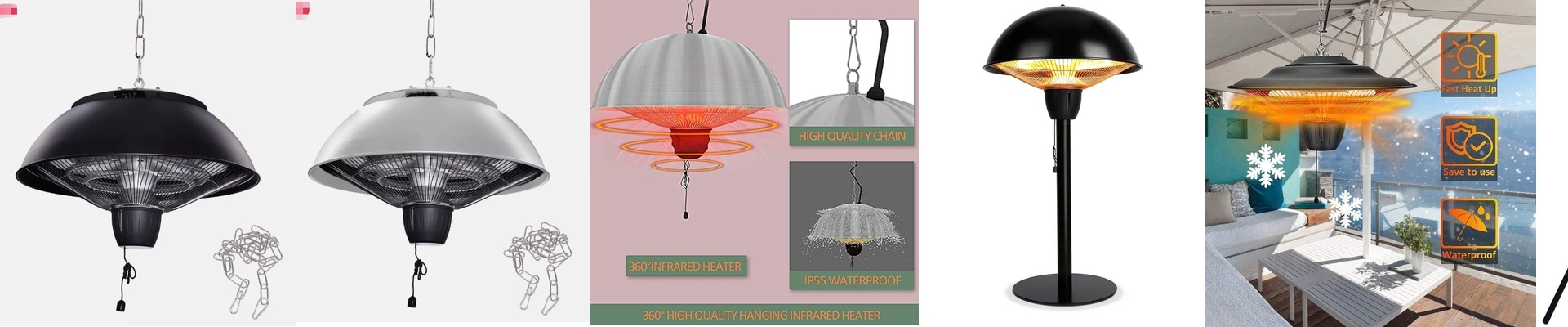
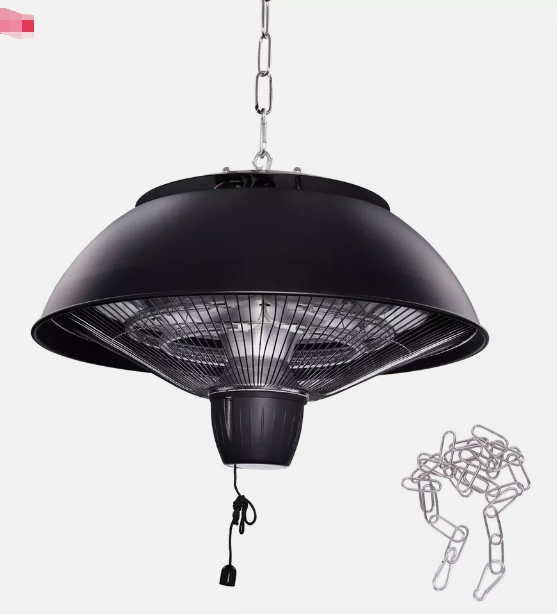
If you’ve ever put a heater outside, you know the two things that absolutely wreck them: water and sudden temperature swings. We build our heaters with an IP66 rating to stop those problems before they start. Now, that sounds like technical jargon, but all it really means is that the unit is tight enough to keep out dust and can handle a direct blast of high-pressure water without flinching. It’s not just about having a good seal; it’s about making sure the unit doesn’t freak out when it goes from a freezing rainstorm to blistering heat in a matter of seconds.
The Fight Against Moisture
Here’s the thing about water droplets on a heating element: they create cold spots. When one part of the tube is freezing and the rest is glowing hot, the material expands unevenly. That’s how you get a cracked quartz tube or a burnt-out filament. To stop that, we use a sealed housing with gaskets that keep splashes away from the electrical guts. But we also have to deal with fogging. If moisture builds up on the reflectors, it creates “hot spots” that literally bake the coating right off. Once that happens, your heat doesn’t throw nearly as far. We’ve designed the airflow to be just right—enough to keep the internals dry and clear, which adds thousands of hours to the life of the lamp.
The Trade-off
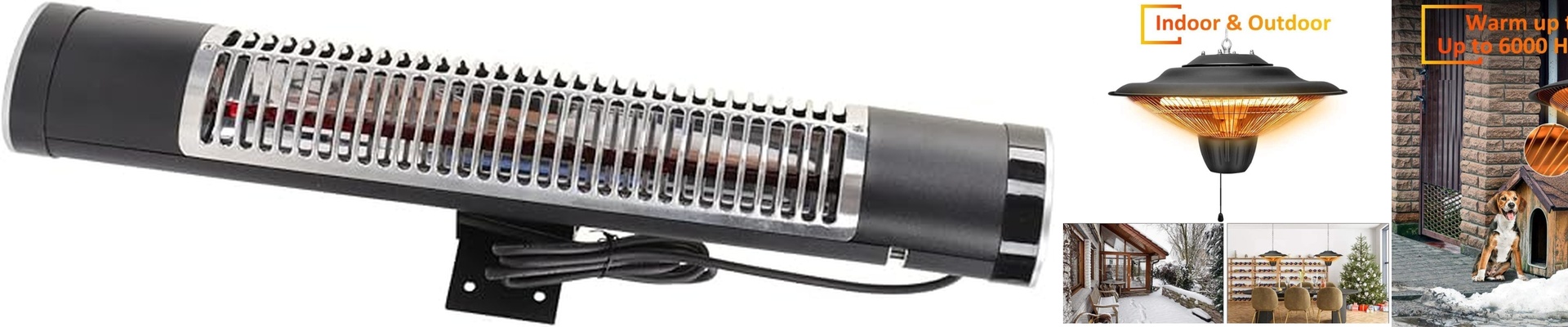
There is a catch, though. When you seal a heater this tightly to keep the rain out, the air inside doesn’t move as freely. This means the internal temperature climbs faster. Because of that, you’ve got to be careful with your mounting brackets. Just make sure you aren’t blocking the vents. If you choke the airflow, the internal wiring can overheat, even if the heating element itself is doing fine.
Set It and Forget It
We want you to install these and then basically forget they exist. Whether it’s salt spray by the ocean or a heavy downpour, those IP66 seals keep the circuits from shorting out. Plus, since the inside stays clean and dry, you don’t have to spend your weekends scrubbing out the internals. It just works.