Why Most Outdoor Heaters Die (And How We Fixed Ours)
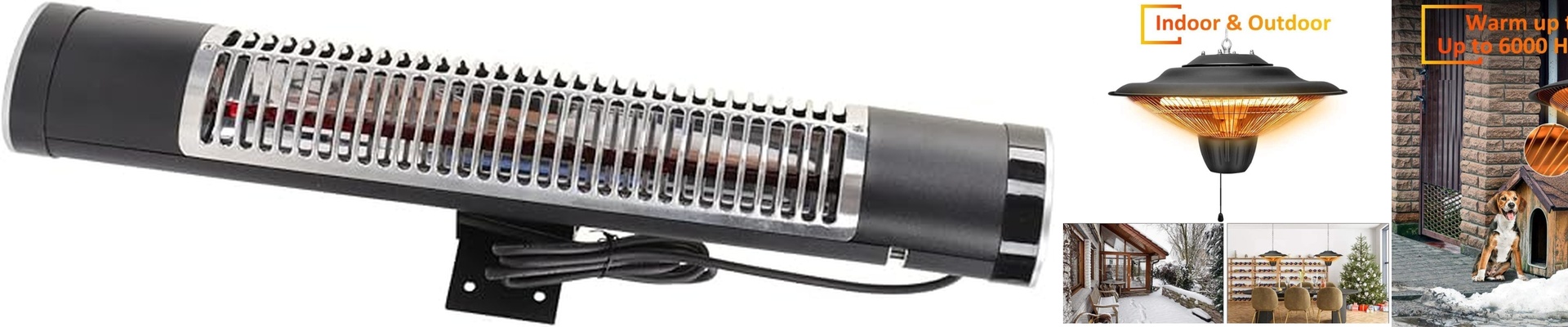
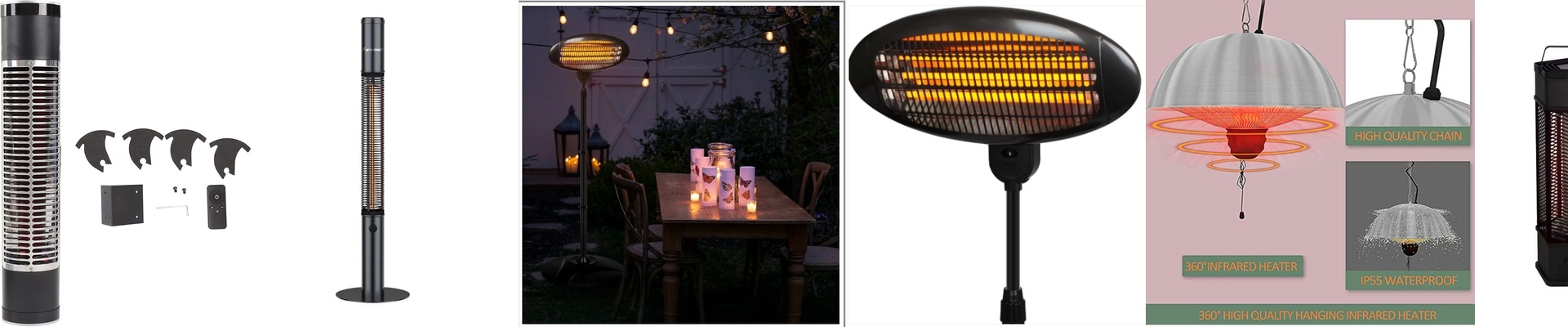
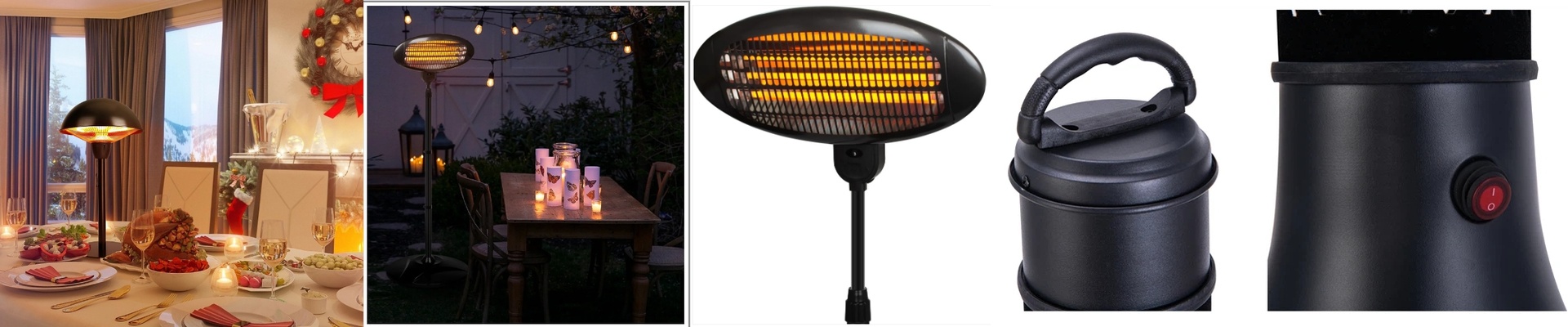
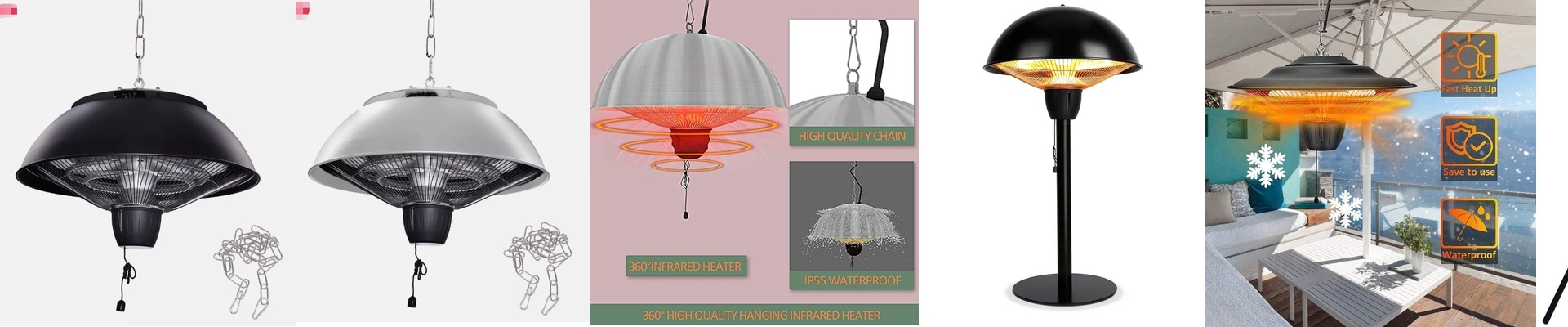
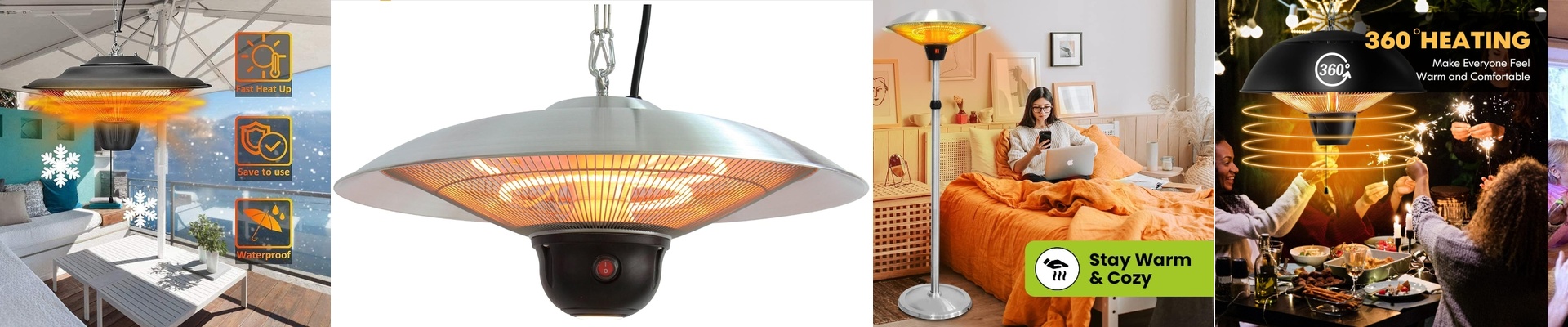
If you’ve ever owned an outdoor heater, you know the drill. You buy one, it works great for a few months, and then—boom. A little rain or some morning mist gets inside, and suddenly it’s a giant, expensive paperweight. Usually, it comes down to two things: water getting where it shouldn’t and lenses that fog up. We got tired of seeing heaters burn out after one season, so we changed how we build ours. Keeping the water out Here is the problem: when water hits a scorching hot heating element, it causes “thermal shock.” It’s violent, and it’s a quick way to kill your machine. We use heavy-duty seals to keep splashes and rain away from the guts of the unit. By blocking moisture from touching the electrical terminals, we stop the corrosion and sparking that usually fry the wiring. Basically, you can let it rain or snow and not worry about the internals turning into a toasted mess. The battle against the fog Then there’s the fogging. You know that cloudy film that builds up on the guard? It’s not just ugly—it actually blocks the heat. When that moisture layer forms, it scatters the infrared waves. Instead of the warmth hitting you, it gets trapped in the fog. To fix this, we added a special surface treatment and tweaked the airflow. It keeps the path clear so the heat actually reaches you, rather than wasting energy warming up a layer of condensation. The balancing act Now, there is a catch. If you seal a heater too tightly to keep water out, you trap the heat inside the chassis. That’s a recipe for a meltdown. We solved this by using heat-sink materials that pull the warmth away from the control board. But you have to do your part, too. Give the unit some breathing room. If you cram it into a tight corner or box it in, it’s going to overheat regardless of how waterproof it is. It’s a simple trade-off. We handle the seals and the coatings; you just give it a bit of space to breathe. The result? You spend your time actually enjoying your patio instead of shopping for replacement tubes every winter.