
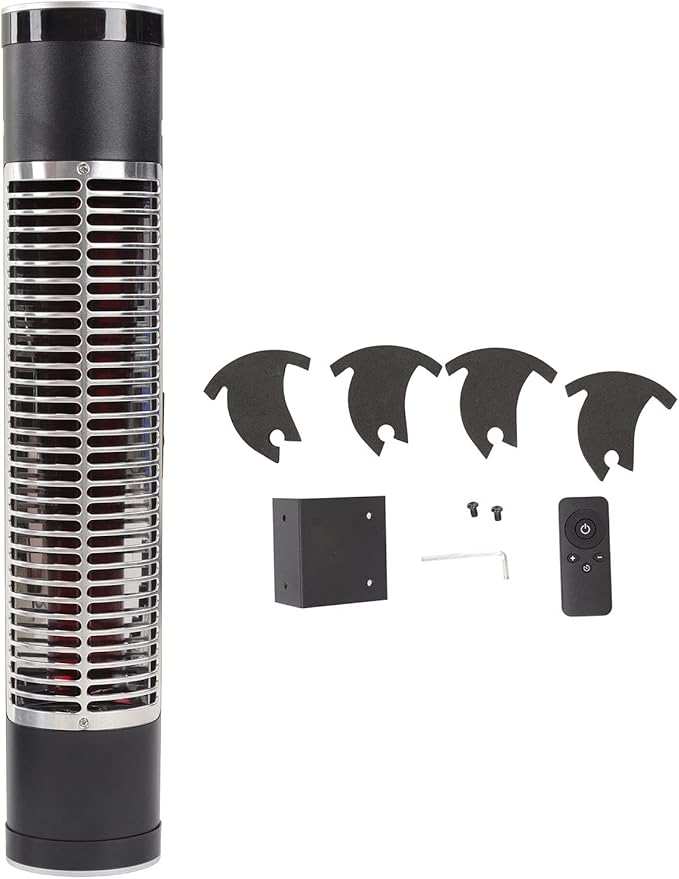
Ten years back, we were the shop behind the scenes, building infrared heating systems for other brands. The learning curve was real. We spent those years dialing in every quartz tube, every carbon fiber element, until our own electric radiant floor heater could hold its own against anything on the market. That experience is why this heater feels different—it’s engineered around comfort that works in the real world, not around marketing noise.
What matters under the hood
We lean on long-wave infrared, so the heat goes straight to people and surfaces, not the air. The core is a carbon fiber heating element sealed inside a quartz tube—chosen for fast response and long life. Depending on the model, it runs on standard 120V or 240V, and we keep surface temps low so it feels gentle underfoot. A built-in thermostat holds output steady, and the unit’s IP rating makes it suitable for damp locations. The payoff is quiet, even warmth that shows up almost the instant you flip the switch.
Why it works in a home that demands comfort
Underfloor heating knocks out the cold spots drafty windows and conventional heaters leave behind. You stop settling for “not cold” and start getting genuinely cozy. For families, that means no more shivering while the room slowly warms up. For anyone dealing with sore joints or tight muscles, the gentle radiant heat supports blood flow and relaxation—turning the floor into a quiet, steady source of relief. And it runs efficiently because it heats where you are, not the ceiling.
The practical details
Installation is straightforward for a qualified electrician, but planning matters. Because it’s electric, performance improves when you pair the heater with proper insulation under the floor to push warmth upward. The unit needs a dedicated circuit, and the floor covering should be compatible with consistent, low-temperature heating. If you’re retrofitting, get a professional assessment to confirm load capacity and placement. Once those boxes are checked, the result is simple: warmth that arrives fast, feels steady, and stays in the background—until you realize how comfortable your home has become.