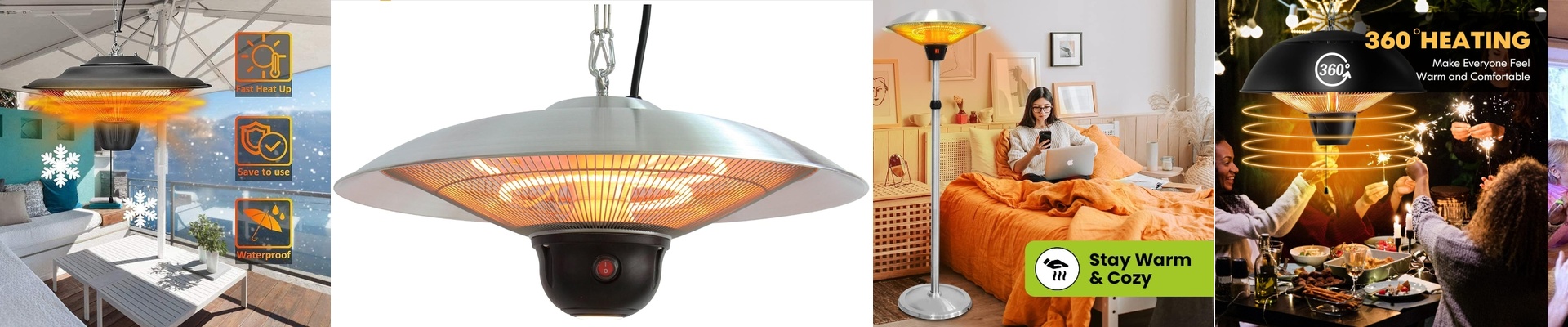
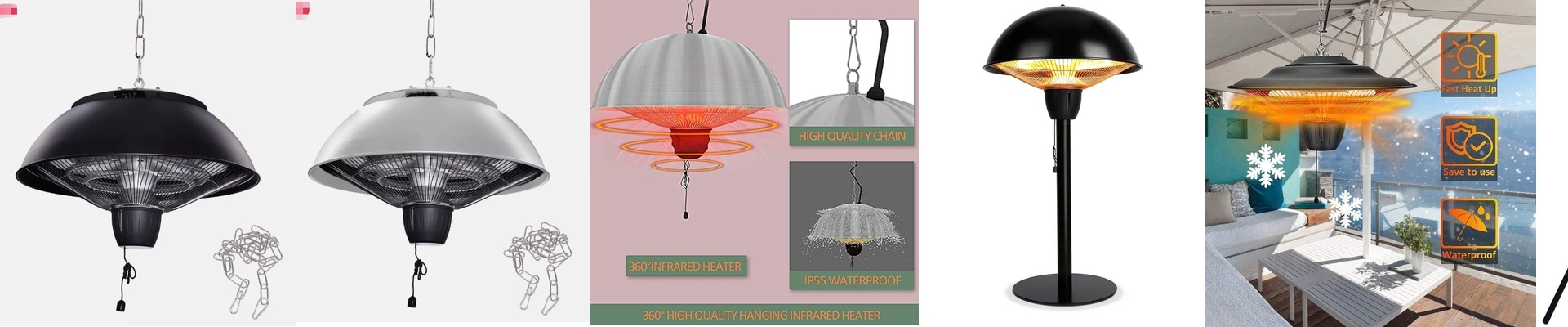
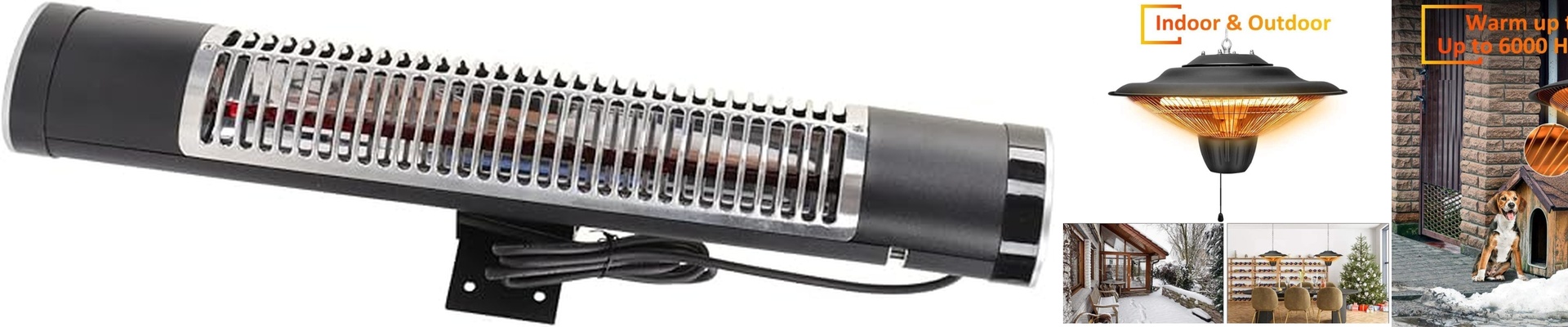
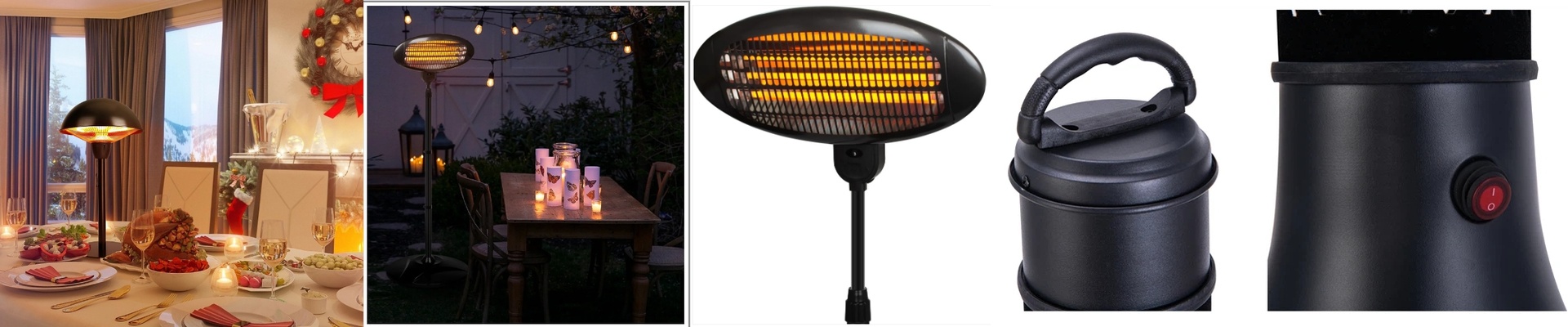
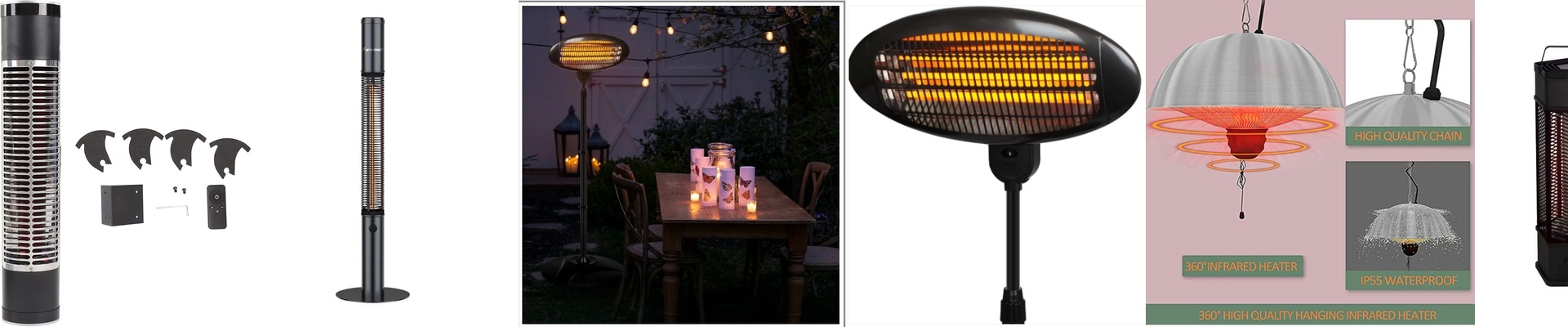
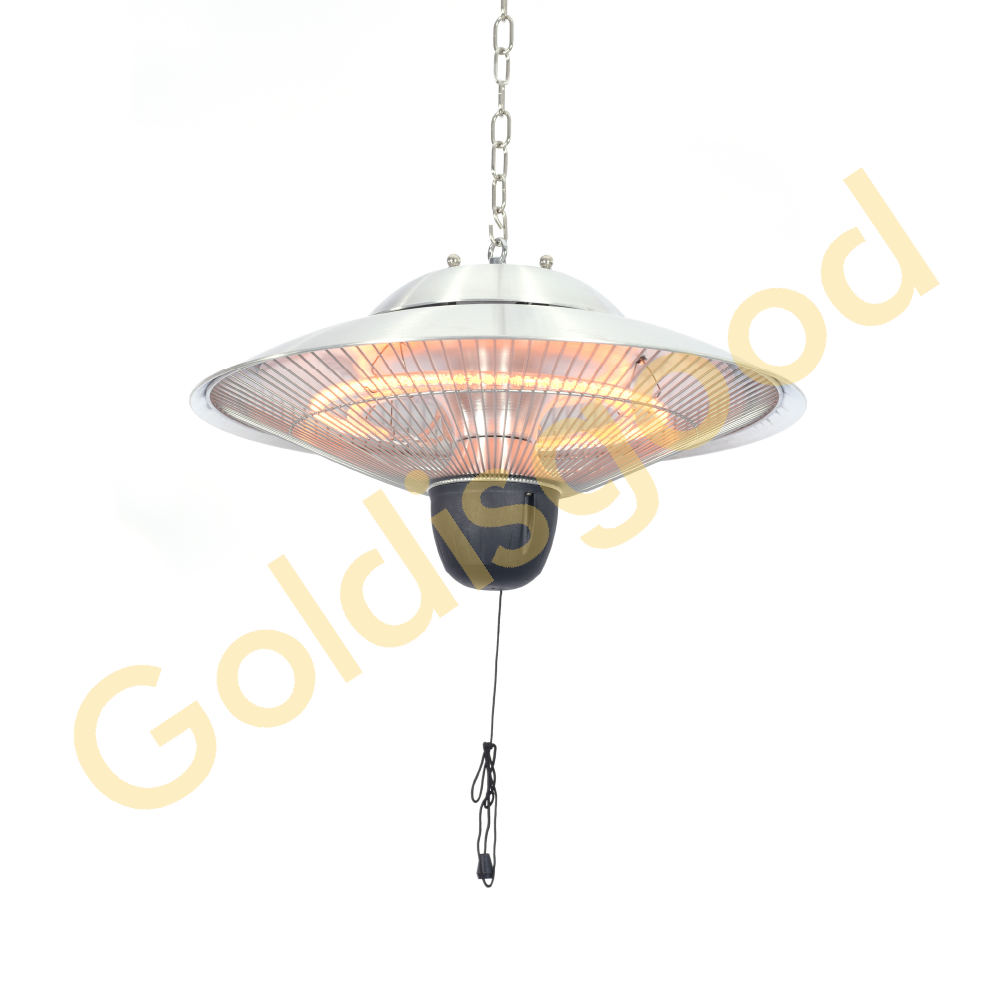
You don’t heat a workshop or a chilly corner by warming empty air. You heat the person, the task, the spot that needs it. That’s the whole point of a USB-powered infrared heater: warmth that goes straight to where it lands, not everywhere in between.
What matters, technically
Infrared warmth is radiant heat, similar to the sun—just more controllable and comfortable. Inside, you’ve got a compact emitter—usually a quartz tube or a carbon fiber element—putting out short- to medium-wave infrared that travels outward at the speed of light. When it hits skin, clothing, tools, or a work surface, that energy turns into gentle heat. The payoff is direct warmth, not air you have to keep stirring and reheating. USB-powered units are built for small-scale, low-voltage jobs. Typical draw sits in the 100–200W range, so you can plug into a USB-A port on a power bank, a desktop charger, or a wall adapter. No heavy wiring. No warm-up lag. Heat shows up almost the second you flip the switch, and the beam stays focused—so you feel it right where you are, not across the room.
Why it makes sense in practice
In a workshop, garage, or outdoor setup, the problem is wasted heat. Conventional heaters push warm air up and out, which creates drafts, uneven spots, and higher bills. Infrared flips that. You aim the unit at your work area, and the warmth arrives on target—hands, torso, and the surfaces you actually touch. That directional approach cuts down on dead zones and keeps you from overheating areas you don’t use. It also helps you work longer in comfort, because the heat isn’t fighting wind or open space. Energy use stays low, and the footprint stays small.
What you need to know
Radiant heat is intense up close, so position the heater about 30–60 cm from the user and angle it slightly downward. It warms people and objects directly, not the air around them, so room temperature won’t climb as fast as it does with convection heat. Because it runs on USB, output is intentionally modest. For best results, use a 15W or higher power source and keep the cord short to avoid voltage drop. This is ideal for personal comfort, workstations, and sheltered outdoor reading—less ideal for heating large, open rooms. Keep the unit upright, clear of obstructions, and never leave it running unattended.