
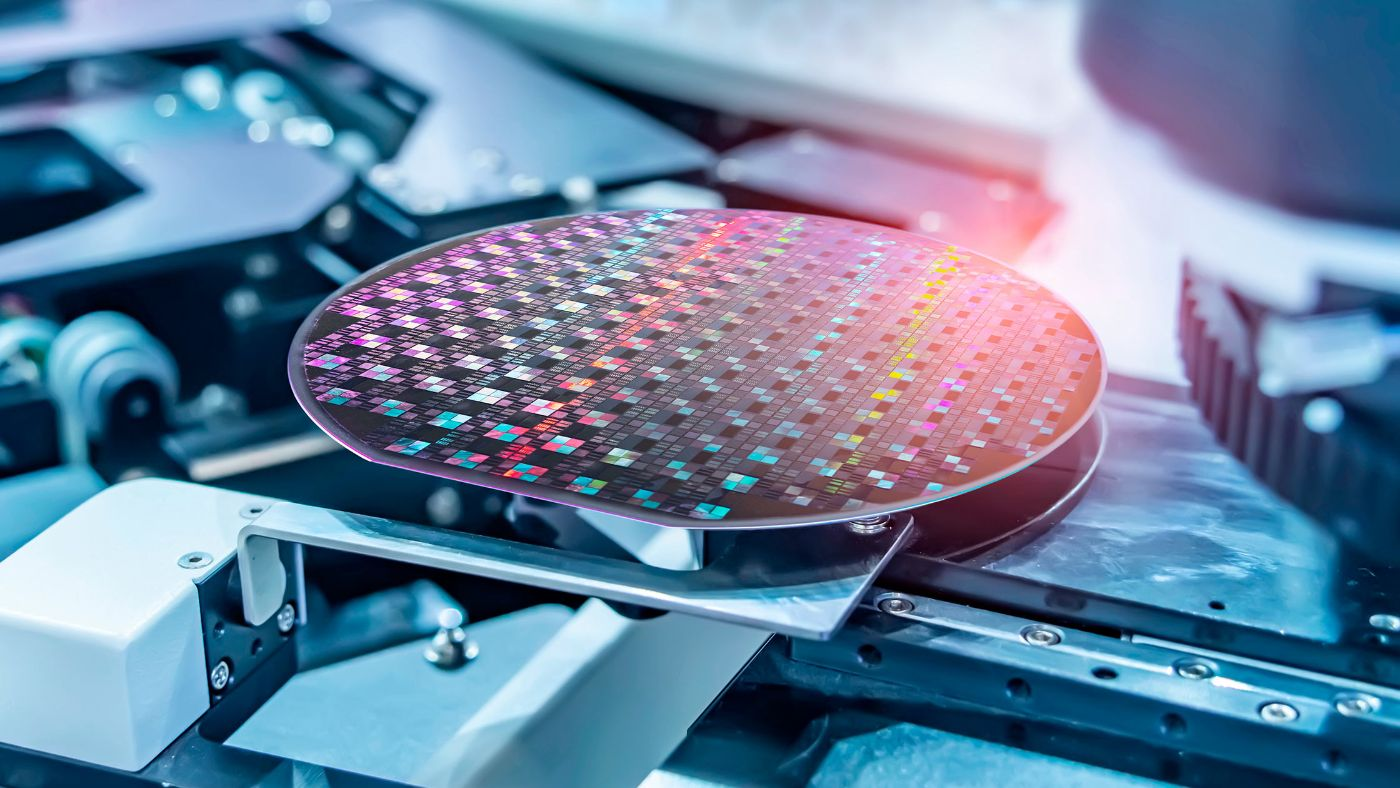
On the fab floor, the clock never stops. Lithography tracks keep running, coat/bake modules cycle, and the thermal budget is a hard constraint—no exceptions. When a heater starts drifting, soft bake and hard bake temperatures wander off target. CD uniformity goes sideways, scrap piles up, and the scheduler is suddenly in crisis mode. In the industrial heater trade that supports semiconductor fabs, “good enough” heat isn’t good enough. You need heat you can count on—24/7, with zero unplanned stops. We build heaters for the fab, not for a showroom demo. That means holding wafer-level thermal uniformity within ±0.1°C, running in Class 1–100 cleanrooms, and staying dead-quiet on particle generation. It means repeatability that keeps pace with your coater and track process control limits, and service life that outlasts the calendar, not just the warranty.
What matters, technically
Semiconductor heating isn’t about hot. It’s about controllable, stable, clean heat. We anchor our industrial heaters on three pillars that show up directly on your yield and uptime.
- **Thermal uniformity and stability:**Across the wafer, across the batch, across the week, temperature holds within ±0.1°C of setpoint. That precision keeps photoresist viscosity, thickness, and critical dimension under control during soft bake and hard bake. We measure stability in drift per hour and repeatability across maintenance intervals—not in slogans.
- **Cleanroom-compatible construction:**Materials, seals, and surface finishes are chosen to keep particle counts at the process limit. The housing and internals are engineered to avoid outgassing and shedding, so you’re not chasing contamination that looks like a process shift.
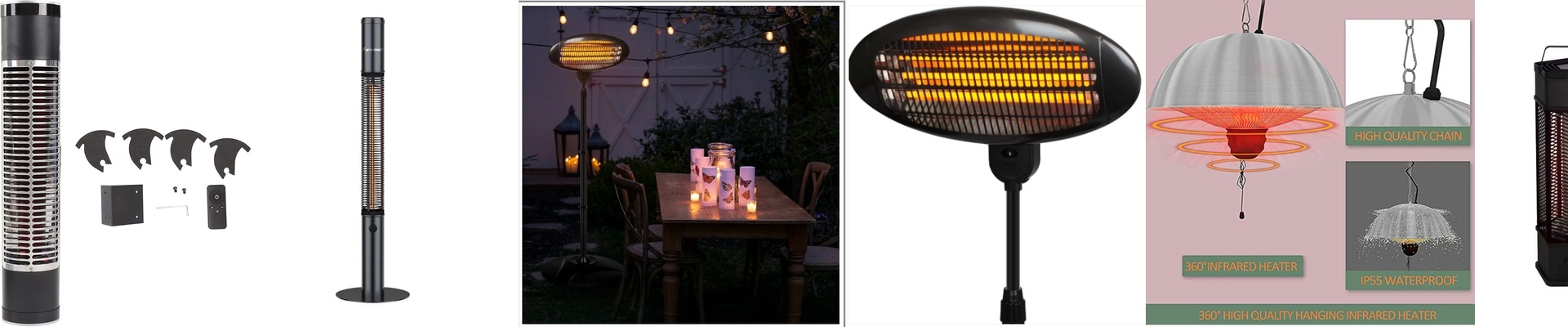
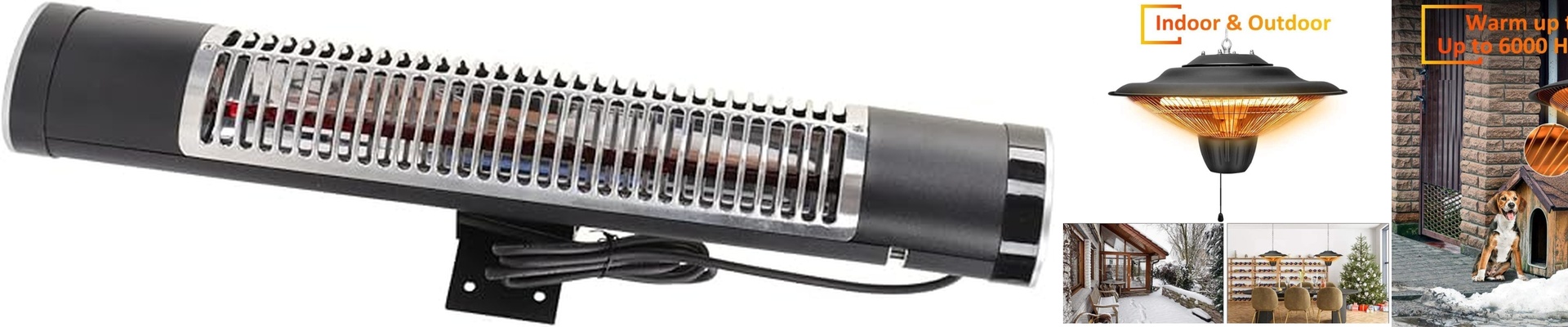
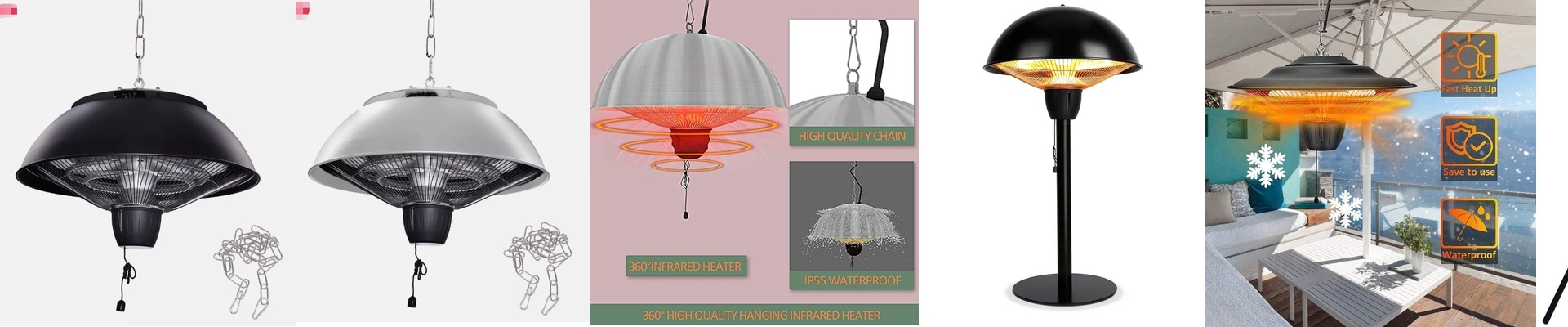
- **Zero particle generation:**Every joint, seam, and termination is handled so nothing flakes. In the fab, one particle can kill a die. Our heaters are built to keep the line clean, not to create more cleaning work. The heating technology is matched to the thermal profile you actually need. Halogen and short-wave infrared (NIR) give you rapid, direct energy transfer—fast ramp, tight control. Quartz elements deliver stable, even heat for bake modules where uniformity is king. Carbon fiber configurations bring mechanical robustness and long life to high-cycle applications. This isn’t a preference call; it’s a function of your process window, cycle time, and thermal mass. Power, voltage, and form factor are spec’d to drop into your equipment as-is. Whether you’re integrating into a coat/bake track, a diffusion furnace platform, or a packaging thermal unit, heater dimensions, mounting, and terminations are matched to the tool interface. Voltages are configured for global fab standards, and power delivery is sized to hold setpoint under load without overshoot. Reliability is engineered into the thermal stack. Elements are selected for long life under continuous operation, and the thermal path is laid out to keep hot spots and thermal stress away from sensitive joints. Control electronics are tuned to semiconductor process dynamics, not generic heating.
Why this works where it has to
In semiconductor fabrication, heat is a process variable—not a utility. Every deviation costs money, time, and yield. Our heaters are built to perform where the consequences are real.
- **Photoresist processing:**Soft bake and hard bake temperatures directly drive film thickness, line width, and defect density. With ±0.1°C uniformity, you get tighter CD distributions and fewer rework lots. Lithography performance becomes predictable, shift after shift.
- **24/7 operation:**Semiconductor tools don’t care about convenient maintenance windows. These heaters are rated for continuous duty, and the design target is zero unplanned downtime. When you run nonstop, the component can’t be the weak link.
- **Process repeatability:**If the bake module can’t hit the same temperature profile after PM, you spend time requalifying instead of running wafers. We design for repeatability—power on, setpoint reached, profile matched, every time.
- **Cleanroom discipline:**Heaters that shed particles force you to run scrubbers harder and stretch inspections. Our construction keeps particle generation at the floor limit, so your cleanroom metrics track the product, not the equipment.
- **Energy and cost control:**Stable, targeted heat reduces wasted energy and thermal stress on surrounding components. You don’t pay for overshoot, and you don’t pay for rework caused by drift. In the global industrial heater trade for fabs, the value is straightforward: fewer interruptions, fewer scrap lots, and predictable performance across fleets. Whether you’re running a 200 mm line or a 300 mm advanced node fab, the heater has to behave the same way—day after day.
Things to know up front
No heater is universal. These units are sensitive to the mechanical and thermal environment they live in, and matching the heater to the tool matters.
- **Integration fit:**Heater dimensions, mounting features, and terminations must match the equipment interface. We work from tool drawings and site specs so the unit drops in without field mods that can introduce contamination or mechanical stress.
- **Thermal coupling:**The heater hits spec only when it’s properly coupled to the process chamber and the temperature sensor. Poor thermal contact, misaligned sensors, or insufficient insulation will degrade uniformity and stability. Installation details matter.
- **Utilities and environment:**Voltage stability, cooling air quality, and ambient conditions shape long-term performance. In fabs where chemical aerosols are present, air filtration and sealing strategy are part of the heater design. Make sure your utilities sit inside the operating envelope.
- **Maintenance planning:**Even though the heater is built for long life, you still need scheduled checks on terminations, seals, and sensor alignment. Plan inspections during tool PM windows to keep performance intact. If you run a semiconductor fab, heat that’s merely adequate won’t cut it. You need heat that’s measurable, repeatable, and reliable—under 24/7 load, in a cleanroom, with zero tolerance for failure. That’s the standard we build to, and that’s the performance that has to show up on the fab floor.