
Introduction
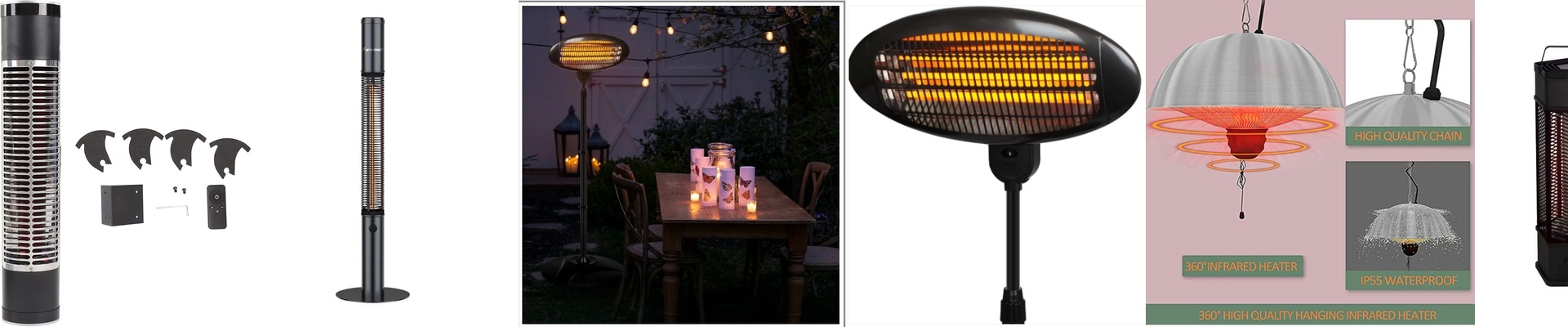
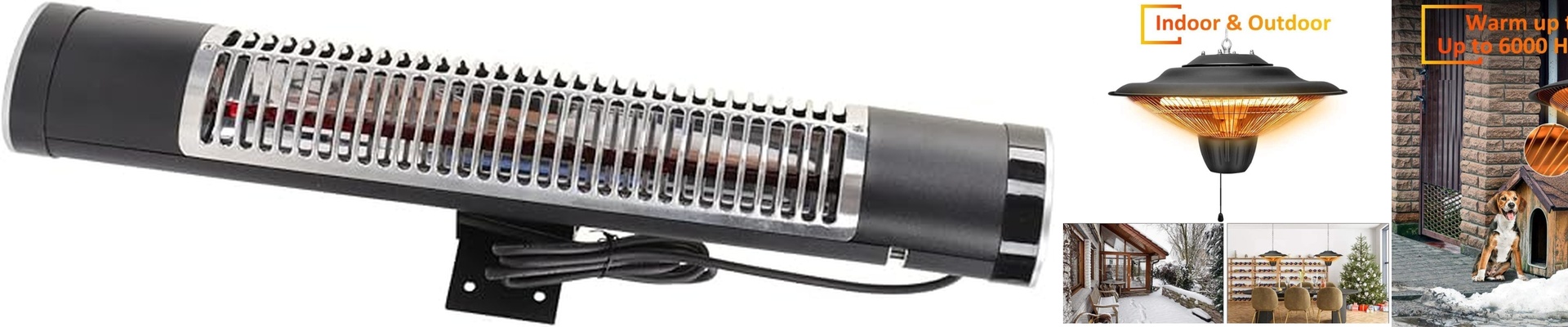
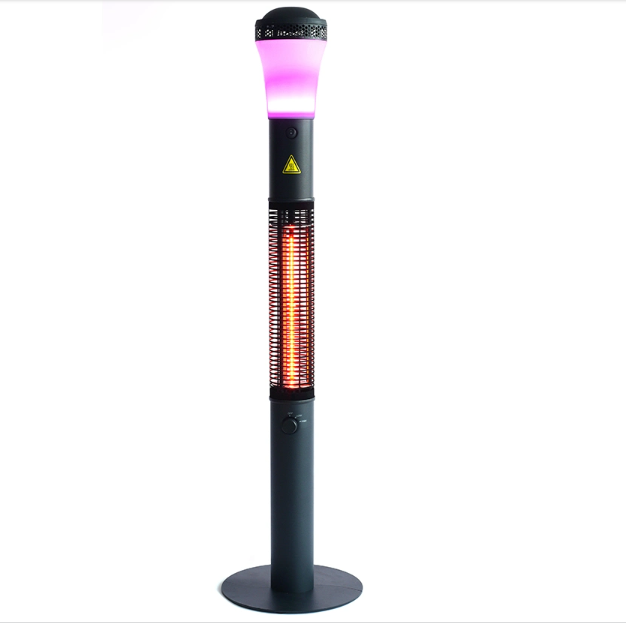
Here’s the truth: we built this infrared heater with one thing in mind. Maintenance shouldn’t be a day-long headache. It should take minutes. So we designed it from the ground up around a modular heating element. It gives you rock-solid, consistent heat for industrial work, but it completely sidesteps the downtime you get with old-school heaters that need a full teardown just for a simple fix.
The Tech, Without the Fluff
It runs on a 400V system. That’s not just a number on a spec sheet—it’s what gives you the power you need for fast, focused heating. It keeps things stable, even when the machine is running hard for long stretches, and it’s gentle on your power lines. And the heating tubes are compact. Really compact. So you can slip them right into your existing setup, whether you’re building a new line or upgrading an old one. No need to re-engineer the whole thing.
What It’s Made Of
The heating tubes themselves are built tough. Think halogen inside a quartz sleeve. This setup keeps the infrared efficiency high, handles sudden temperature swings, and won’t burn out on you after a few cycles. But the real time-saver? The connectors. We use standard R7s connectors. So when a tube finally gives up the ghost, you don’t have to rewire anything. Just pop the old one out and snap the new one in. It’s that simple. That modular design cuts service time by over 80% compared to the hardwired stuff.
Why This Matters on the Floor
On a production line, unplanned downtime is the worst. With this design, a service job that used to eat up four hours becomes a 15-minute swap. We planned for that from day one. You get all the heating power you need, plus the flexibility to keep the line moving. Just keep one thing in mind: that kind of heat density means your cooling system needs to be up to the task. We bring the heat. You just need to make sure your environment can handle it.