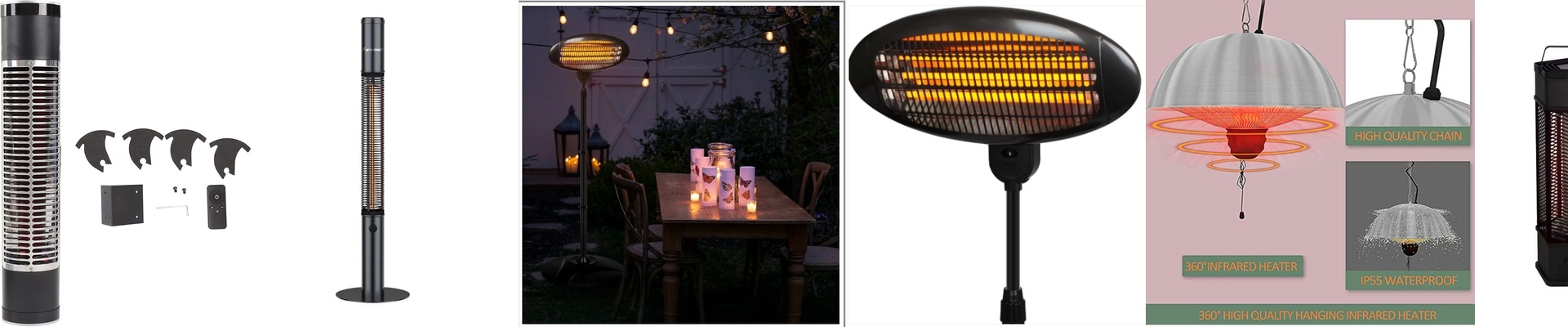
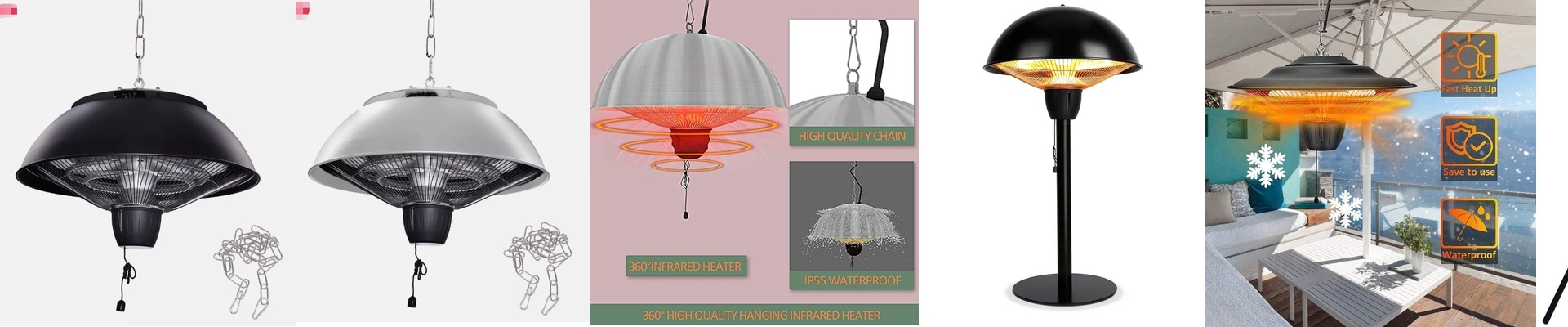
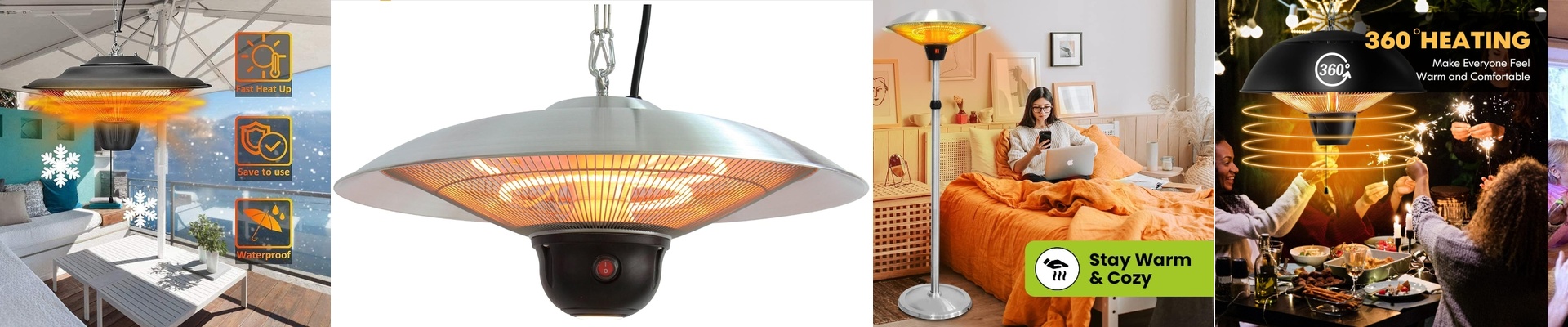
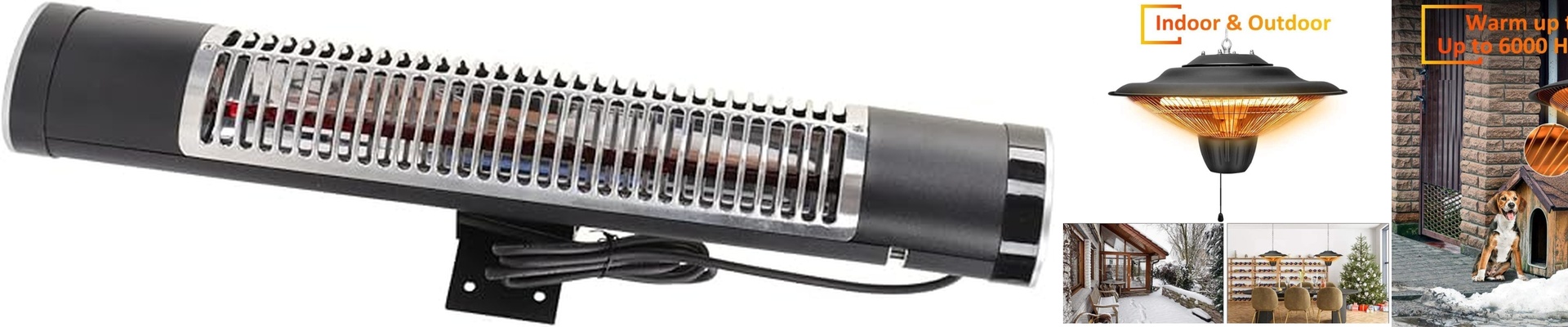
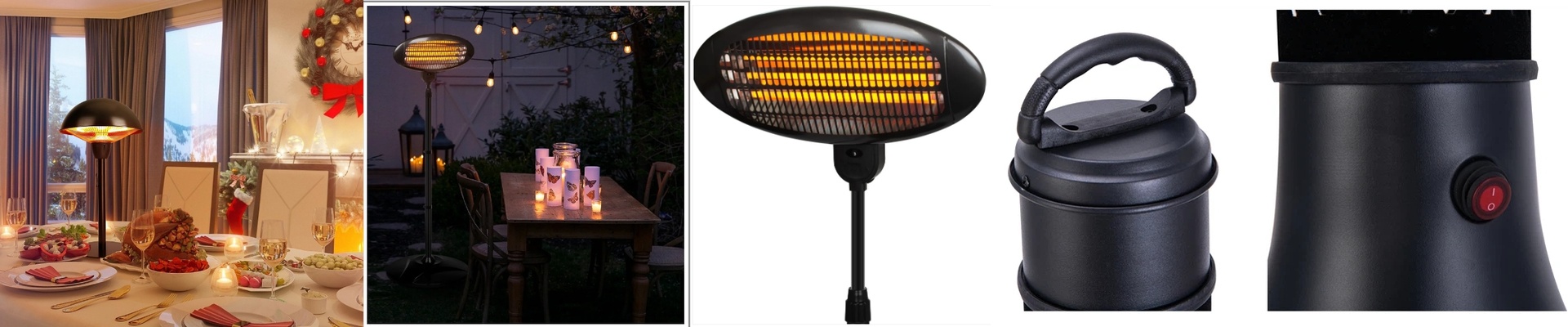
When the evening starts to bite, you just want heat—fast, quiet, and without a chore list. Plenty of indoor heaters look sharp on the showroom floor, but the minute the heating element needs attention, they turn into a headache. We built this infrared heater with the opposite approach: long-term comfort, and maintenance that’s a handful of minutes, not a whole afternoon.
What’s actually going on under the hood
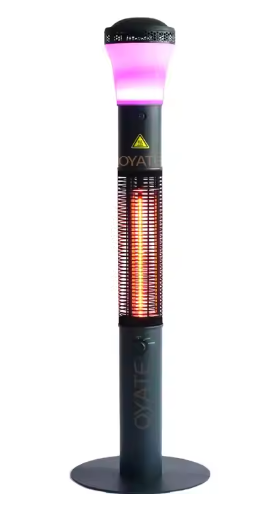
This unit leans on infrared radiant heat, driven by a long-life quartz heating element. Instead of trying to warm the air, it sends warmth straight to people and objects, so you feel it almost as soon as you switch it on. The real workhorse here is the modular design. The heating element and its wiring harness are a single removable module, held in place by two terminals and a simple latch. No wrestling panels off. No contortions in tight spots. Open, disconnect, replace, close. It runs on standard 120V household circuits, and it’s got a thermostat to keep comfort steady. Tip-over protection is built in, too—because a heater that’s easy to live with is one you can trust.
Why this matters in the real world
Picture this five years down the road. The heater’s run through plenty of seasons, and the element is due to be swapped. With a conventional heater, that can become an afternoon of tools, guesswork, and frustration. Here, it’s a five-minute job. You keep the same clean-looking heater in your living space, you skip the cost of replacing the whole unit, and you get back to warm evenings without drama. The modular approach also means less downtime, fewer service calls, and a heating experience that stays quiet and tidy.
A few practical notes from the shop floor
For the best results, position the heater where the infrared warmth can reach you directly—close to seating, but not blocked by big furniture. This is designed for indoor, dry spaces. It’s not rated for wet outdoor exposure. When it’s time to change the element, power off at the outlet and give the unit a few minutes to cool. If you’re unsure about wiring or placement, a qualified electrician can confirm the circuit can handle the load and help you set the heater up for safe, even coverage.