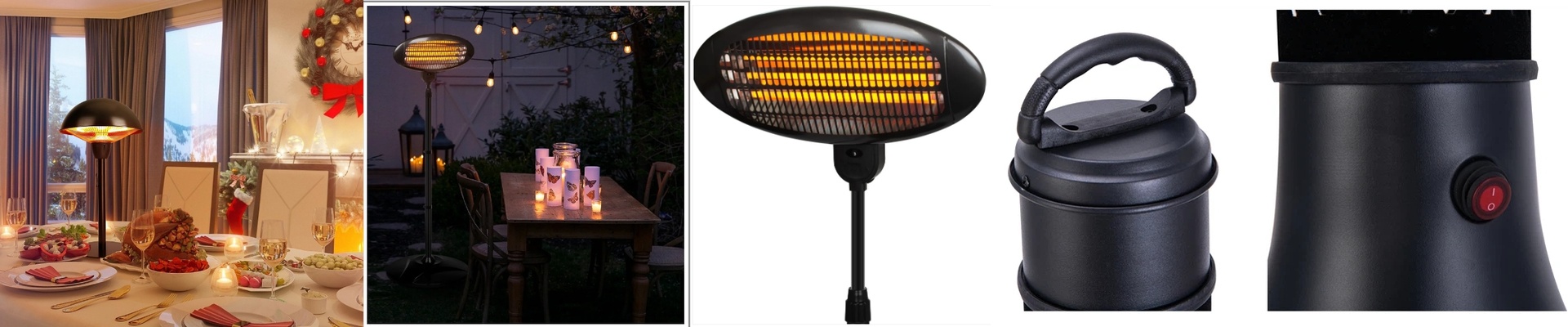

Watch your dog settle by the hearth or your cat curl up near a radiant heater—peace of mind isn’t a luxury, it’s earned. The real hero isn’t just the warmth; it’s the lead seal buried inside the infrared unit. In a lot of heaters, the wire entry point is the pressure point. Heat, flex, and moisture work together to dry out insulation and invite shorts. We build ours to OEM-grade tolerances because pets don’t belong anywhere near corners cut. What matters under the hood Infrared warmth gives comfort without moving air—ideal for pets that hate drafts. Our electric infrared heaters pair a carbon fiber or quartz element with a fully potted, high-temperature lead seal. The potting compound fills every micro-gap around the conductor, locking out oxygen and moisture while pulling heat away from the termination. That keeps the cold-junction temperature stable, even when the reflector runs hot. Add a tip-over switch, a thermal cutoff, and a grounded, sealed housing, and you get steady output—no drift that screams “aging.” Why this works for pets A safe space heater for pets has to be predictable, day after day. With a properly sealed lead, the internal wiring resists the brittleness that comes from repeated thermal cycling. Fewer hot spots. Fewer intermittent faults. The heater stays quiet and steady. For you, that means fewer replacements, less wasted energy, and a warm spot your companion can rely on. The warmth hits instantly, and the unit holds temperature without the on-off cycling that can startle or disturb. The practical details Even the best seal has limits. Keep the heater in a dry spot, and don’t run the cord under rugs or across sharp edges where abrasion can chew through insulation. Plug it into a dedicated outlet and respect the rated distance to combustibles. For outdoor setups, pick a model with the right IP rating and always use a GFCI outlet. Treat the heater as part of the room, not a decoration, and it will pay you back.