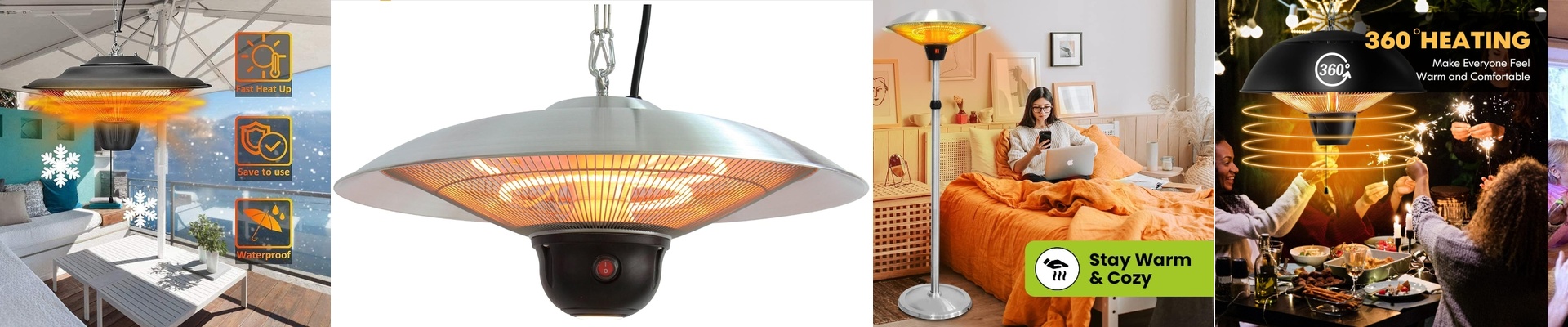
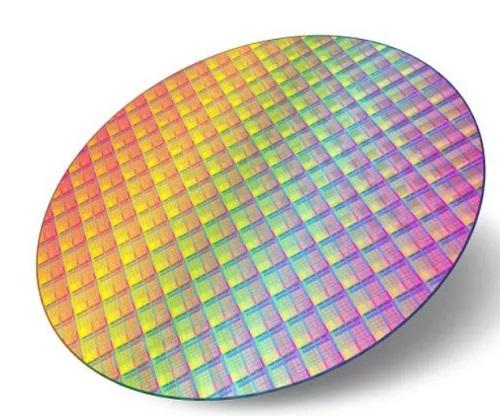
On the line, 2.5D/3D stacks don’t fall apart because the concept is wrong—they fail from thermal drift. Give or take a few degrees across the underfill cure profile and your yield drops right out of the reflow window. That kind of rework burns hours and eats material. We built this 2.5D/3D IC packaging heater to keep the thermal budget honest, cycle after cycle. The heart of it is repeatability, plain and simple. Quartz-halogen short-wave emitters give you fast, controllable response with tight spectral output, and the carbon-fiber-reinforced heater body stays rigid under thermal load. You get wafer-level uniformity of ±0.1°C across the active zone, and setpoint stability holds to the same tolerance through soft bake, hard bake, and adhesive curing. It runs 24/7, with zero particle generation verified in Class 1–100 cleanrooms. Output drift checks are spaced 5,000+ hours apart, and once the recipe is locked, process Cpk stays above 1.67. **It earns a spot on 2.5D/3D packaging lines because it takes temperature off the table as a variable.**Photoresist bake profiles stay within spec, TSV fill and underfill cure hit the target glass transition, and warpage drops because the thermal gradient is controlled. Qualification cycles get shorter, scrap lots get fewer, and energy draw per unit drops thanks to fast ramp-to-soak efficiency. Installation is straightforward, but plan for the interface. Match the heater footprint to your chuck and tooling, and budget 30 minutes for a full thermal calibration after mounting. The heater works with standard 4–28 VDC controllers and SMbus/RS-485 instrumentation; just confirm your chamber gas mix—oxygen-rich atmospheres need the specific emitter window material option. Calibrate the tool, and the process stays in control.