
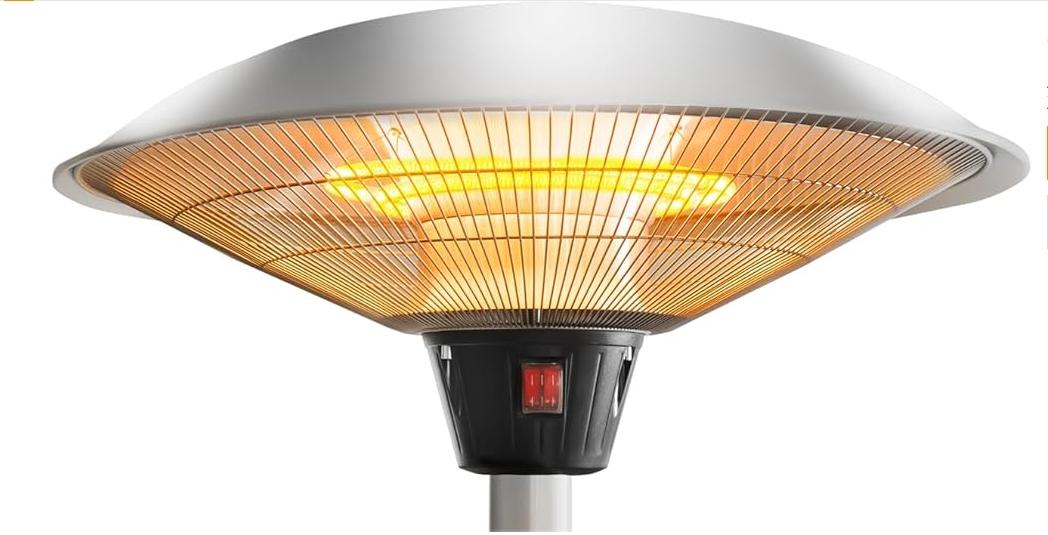
Bathrooms either heat up quickly, or they don’t. In a small space, a heater that’s oversized just throws energy away. In a bigger bath, underpowered warmth leaves the floor cold and the mirror fogged. You feel it in your bones—wrong wattage makes the room feel drafty, even when the air reads warm.
What matters, technically
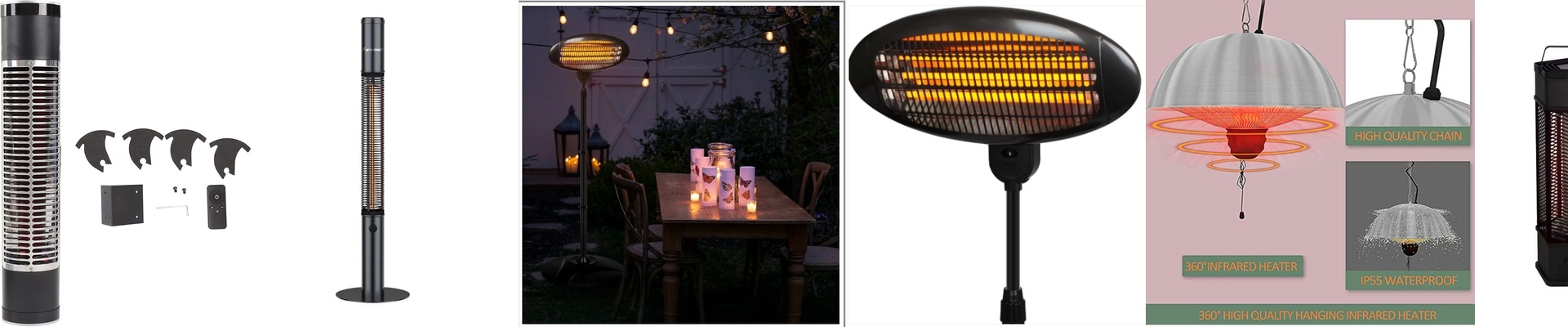
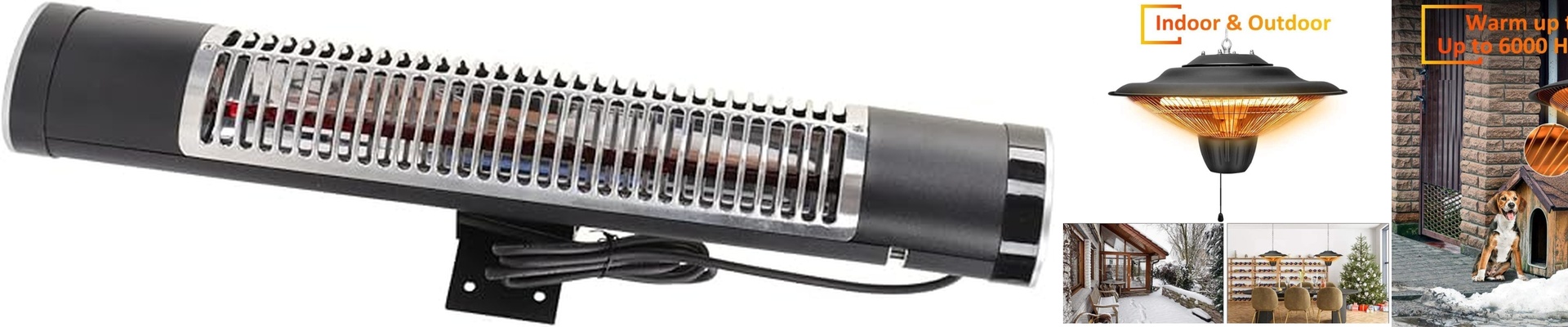
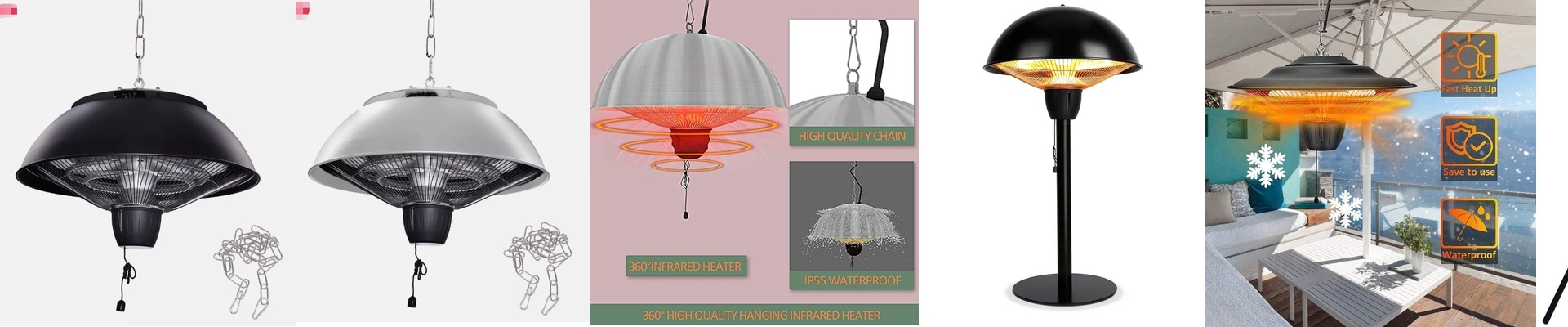
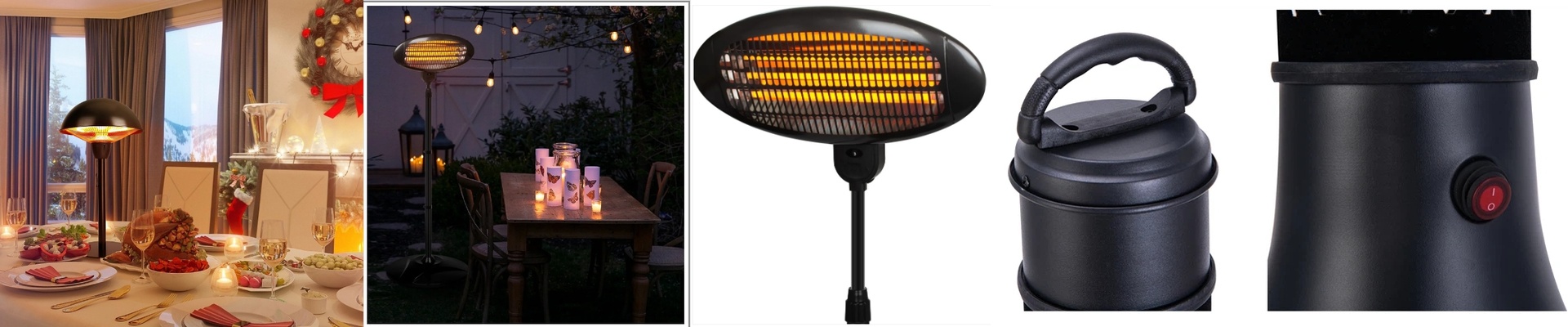
Commercial electric infrared heaters deliver comfort by radiating heat straight to people and surfaces, not by trying to superheat the air. For bathrooms, the practical question is simple: match wattage to area. Here’s a solid starting rule—roughly 10 watts per square foot. A 5 ft × 8 ft bath (40 sq ft) typically does well with a 400–500W infrared heat lamp. An 8 ft × 10 ft bath (80 sq ft) is often better served by 800–1000W. Go with a rated quartz or carbon-fiber infrared element for fast, even radiant output. And if you want steady temperature control, pick a hardwired unit with a built-in thermostat. In a damp space, an IP-rated housing and tip-over protection aren’t extras—they’re necessities.
Why this approach works in a bathroom
When power matches room size, the heat lands where you need it—at the vanity, the shower entry, near the towel rail—without running the heater longer than it has to. Radiant warmth dries the floor faster, knocks out that damp chill under bare feet, and helps keep condensation off walls and mirrors. Because the heater warms objects and people directly, you can keep the air temperature lower while still feeling comfortably warm. That’s how actual energy savings start.
The things you need to know up front
Most infrared bathroom heaters are hardwired, so professional installation is the cleanest way to do it. Clearance to combustible materials matters, and the fixture has to be rated for the humidity and steam of a bath. Place the heater where you step out of the shower and near the sink, then confirm your circuit can handle the wattage without being overloaded.