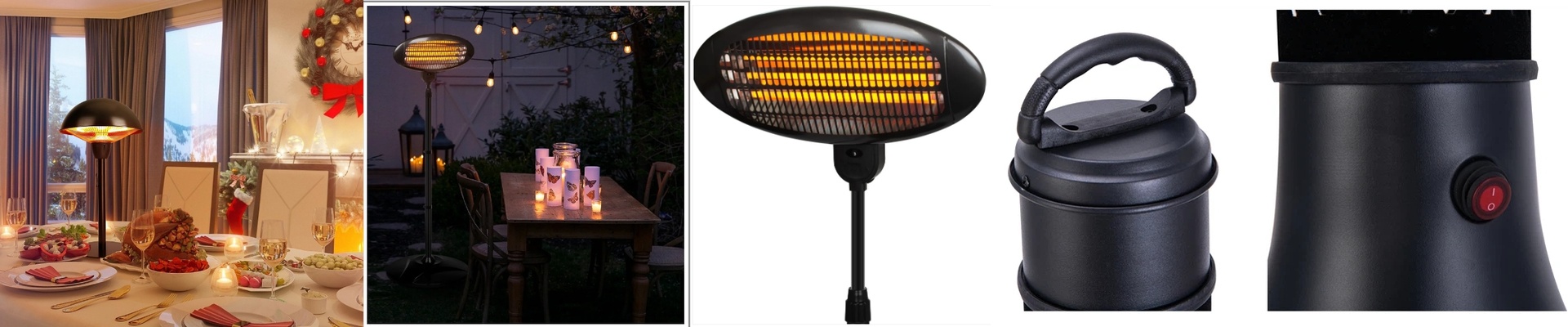
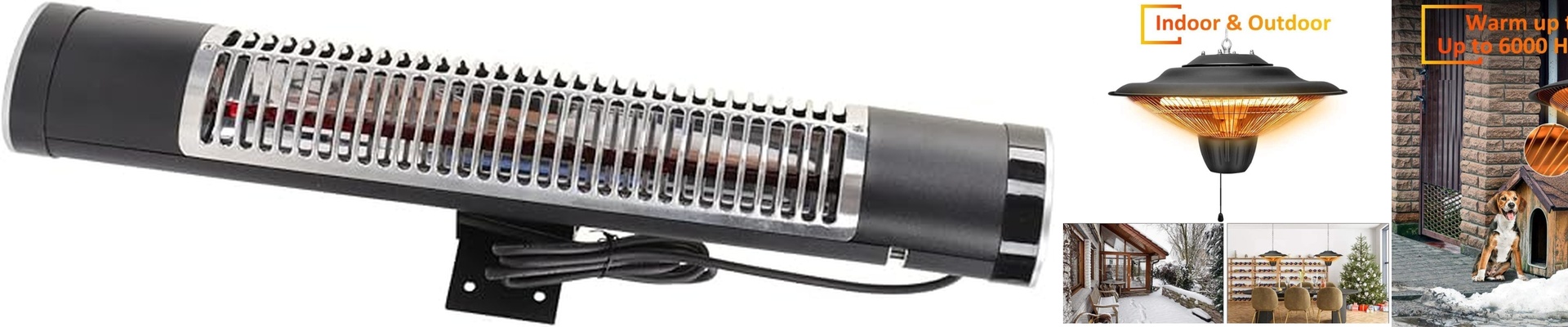
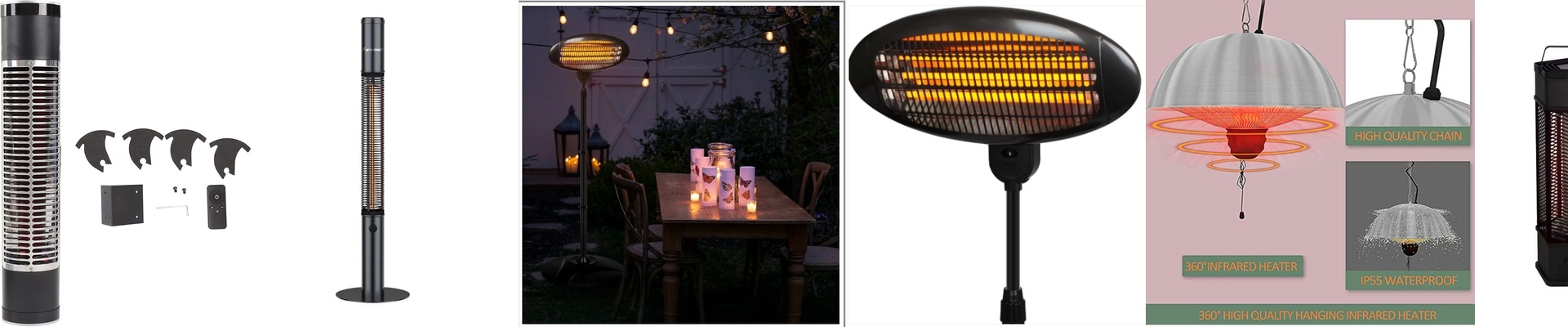
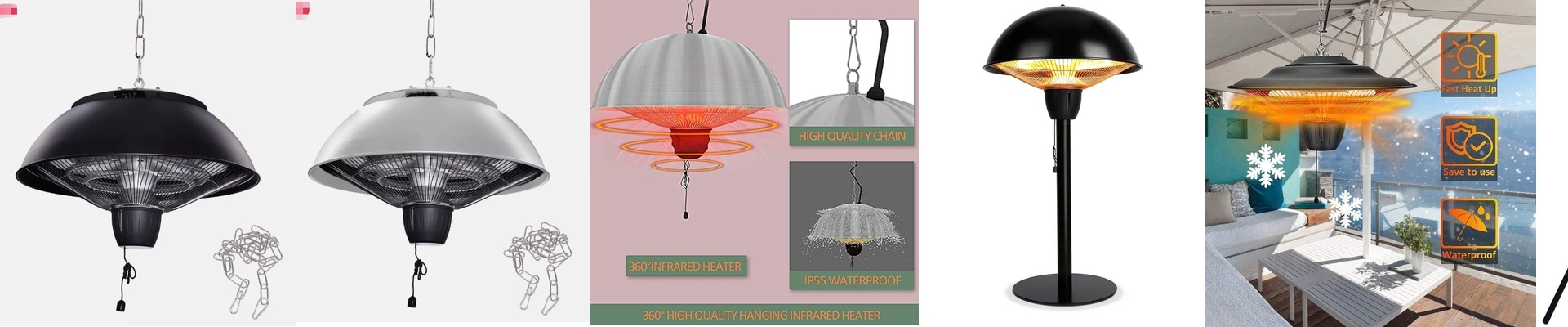
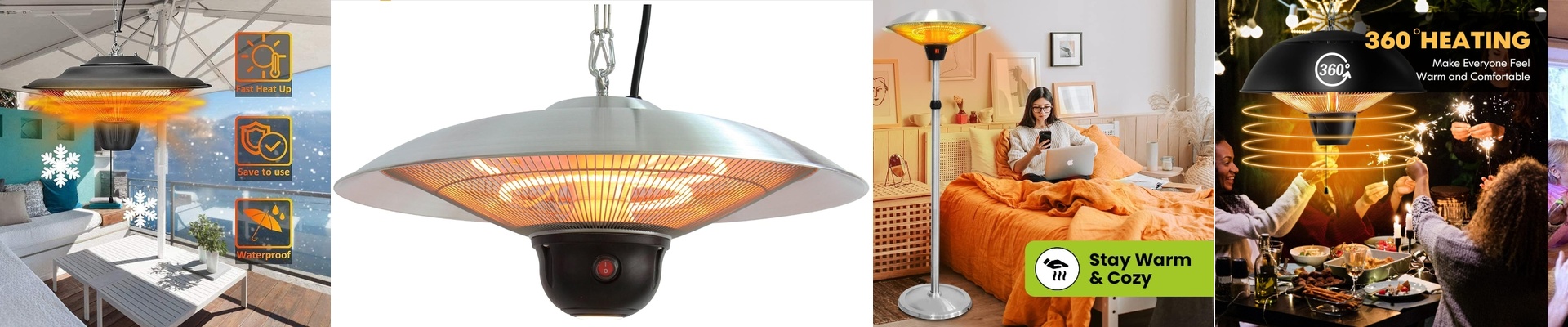
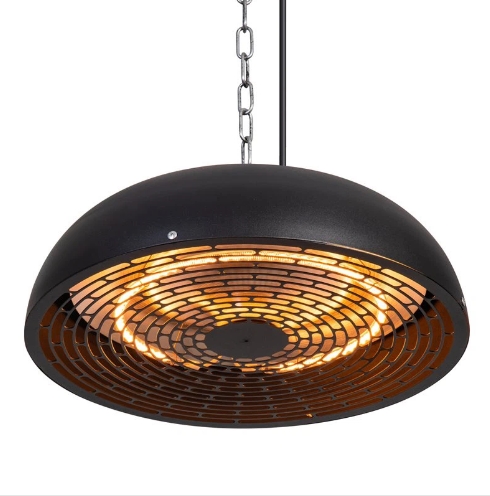
Cold hands aren’t just uncomfortable—they cost you control. On the workbench, at the campsite, or waiting for the bus, the second your fingers go numb, your focus and dexterity go with them. A hand warmer heater puts that control back in your hands by delivering focused radiant heat exactly where you need it.
What matters, technically
A hand warmer heater uses radiant heat to warm your hands directly, not the air around them. Many compact models run on 12V DC—cigarette lighter or USB-C—and pull 10–20W. You get surface temperatures that feel instantly toasty while still being touch-safe. The heating element is usually a quartz tube or a carbon fiber element. Both are chosen for fast warm-up, even heat spread, and long service life. Built-in thermostats help prevent overheat, and tip-over protection adds peace of mind. Match the IP rating to the environment—IPX4 is common for light splash and outdoor use.
Why this approach works
Because it’s targeted, personal warmth, a hand warmer heater keeps your hands warm without overheating your core or wasting energy heating empty space. You feel the heat within seconds, circulation improves, and stiff fingers loosen up. Indoors, it can sit on a desk or nightstand. Outdoors, it slips into a coat pocket or a cup holder. If you’re running tools, enjoying an evening on the patio, or just commuting in winter, that immediate comfort means steadier hands, fewer breaks, and a more relaxed pace.
Things to keep straight
A hand warmer heater is built for close-range personal use, not for heating an entire room. For the best results, keep the unit within arm’s reach and follow the clearances in the manual—radiant heaters need breathing room. If you’re using it in damp conditions, confirm the IP rating and don’t submerge it. Also, 12V models are efficient, but the warmth profile is different than what you get from 120V patio heaters. Plan your power source before you need it.