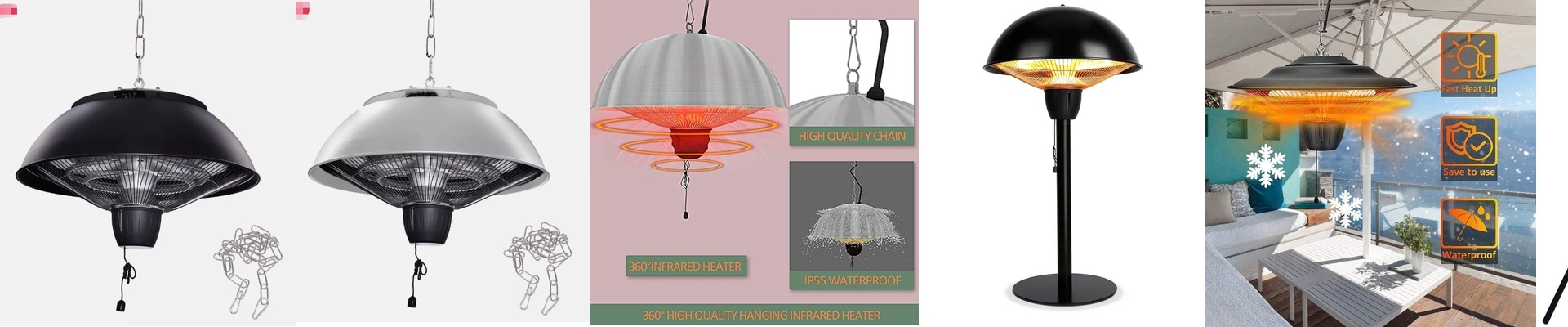
When the shop starts to go cold, work goes with it. Fingers stiffen, tools feel awkward, and finishing a job turns into a fight against the chill. In workshops, garages, and utility areas, staying warm isn’t a perk—it’s what keeps the work steady and safe.
What matters under the hood
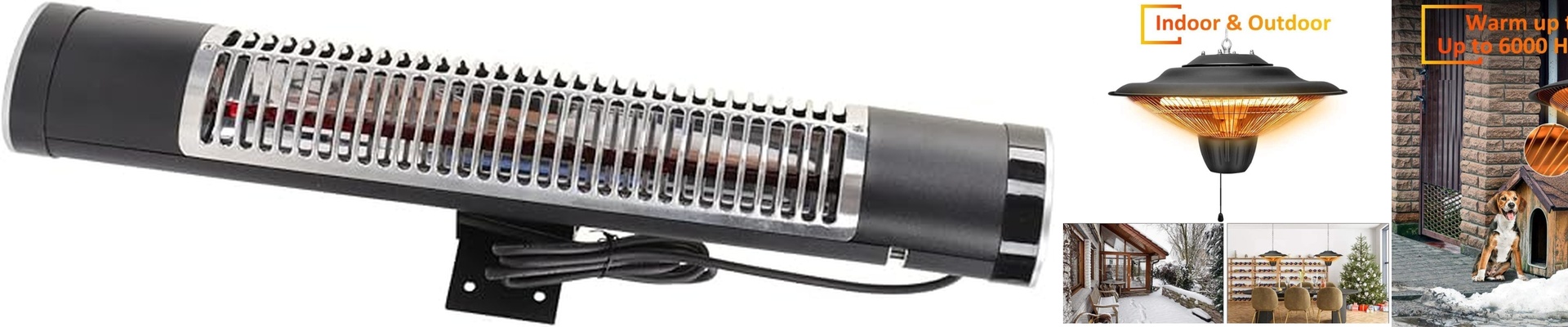
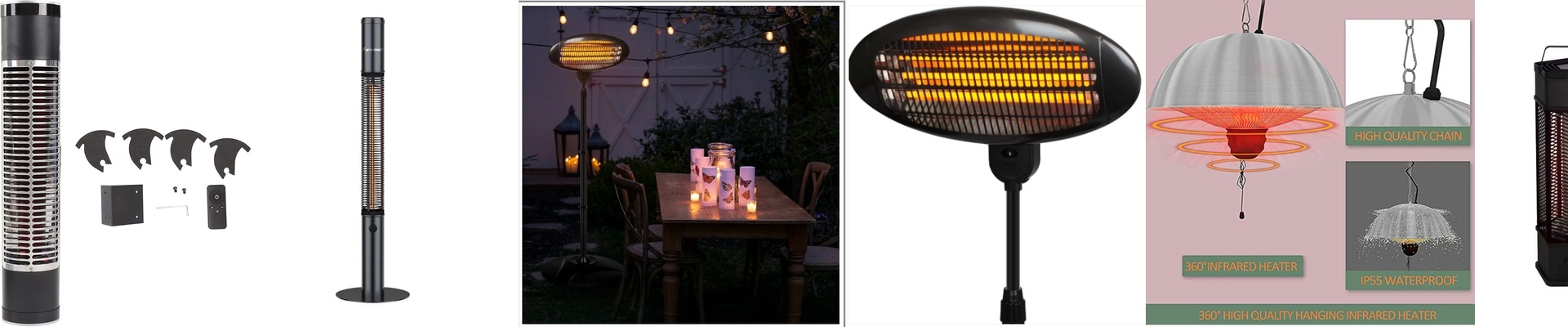
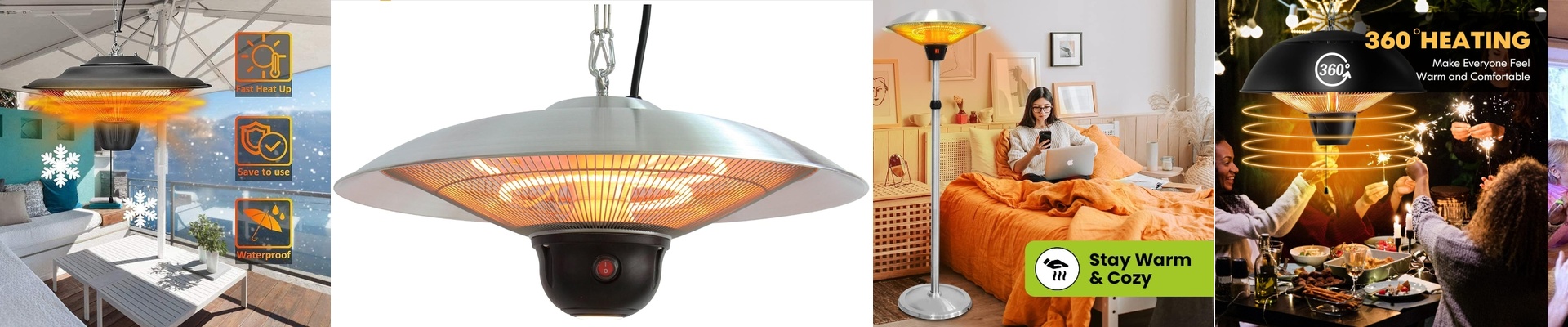
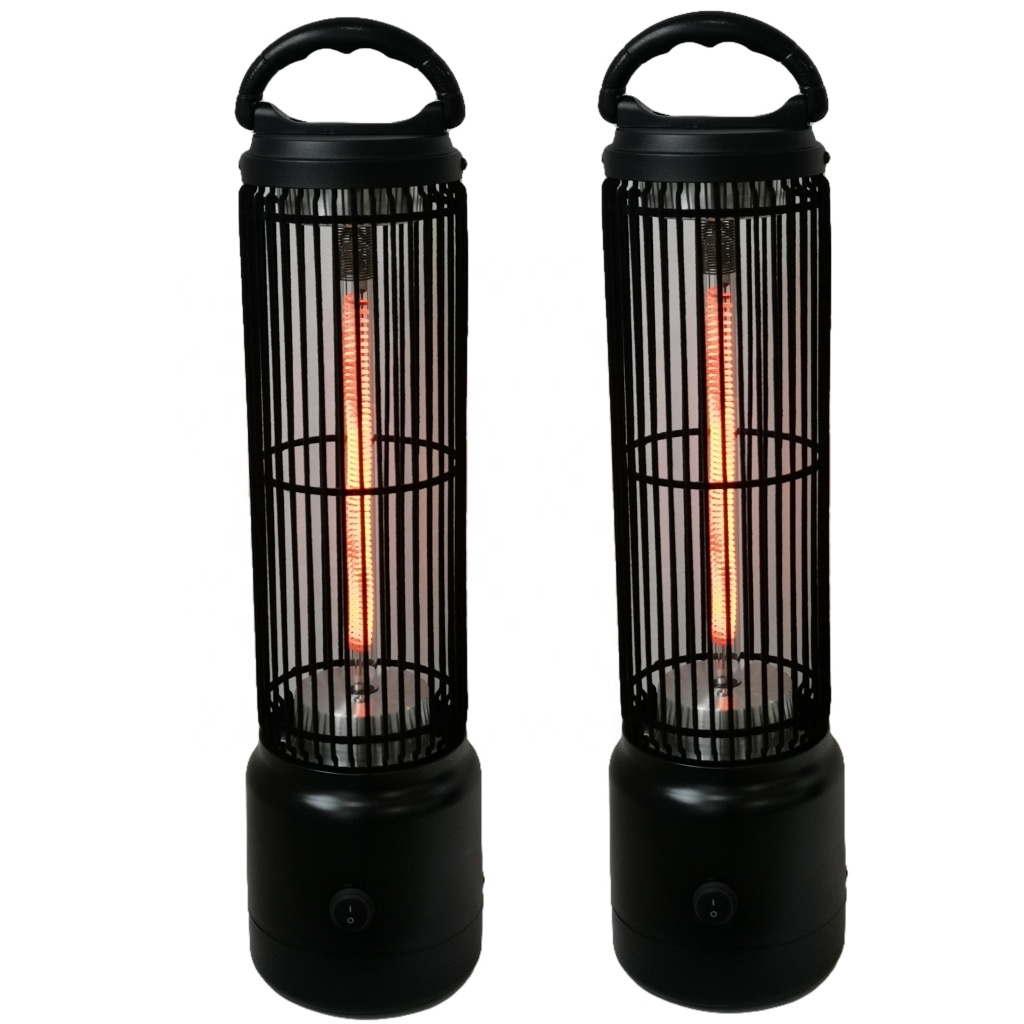
Our pipe heater electric units lean on direct-radiant electric heat—warming people and objects directly, not the air around them. A tough quartz or carbon fiber element delivers focused infrared warmth, and a solid metal housing keeps the core protected. Specs are picked for real life: 1.5–3.0 kW power, 220–240 V operation, and IP rating options that handle dust and splashes. The payoff is heat aimed where you need it, and it shows up fast.
Why this approach fits the job
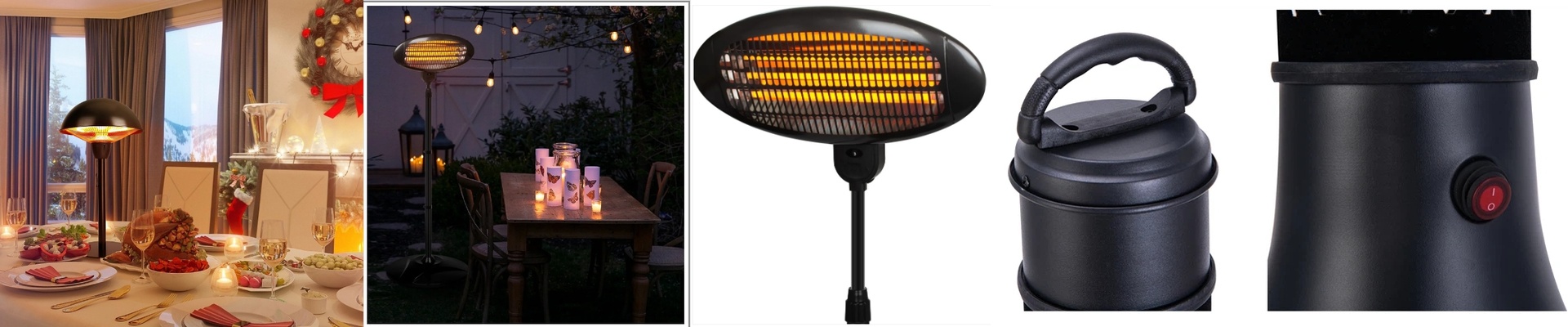
This is what precise heat management looks like in practice. You feel warmth within seconds, not minutes, so you don’t have to wait around for the room to catch up. Because the heat is directional, energy goes where you are—not up into the rafters. In a workshop, that means steady comfort at the bench, faster drying for finishes, and fewer drafts breaking your concentration. At home, it means immediate, cozy warmth for utility rooms, entryways, or covered outdoor spots—without heating the whole house.
The setup that makes it work
For best results, mount the heater 2.0–2.5 meters high and angle it toward the work area. Keep at least 0.5 meters of clearance from anything combustible, and run it on a dedicated circuit so you don’t overload things. Add a thermostat when you want fine control, and make sure tip-over protection is in place for peace of mind. **Keep in mind:**radiant heat warms what it hits. In open, drafty spaces, you may need a bit more output—or a second unit—to keep coverage even.