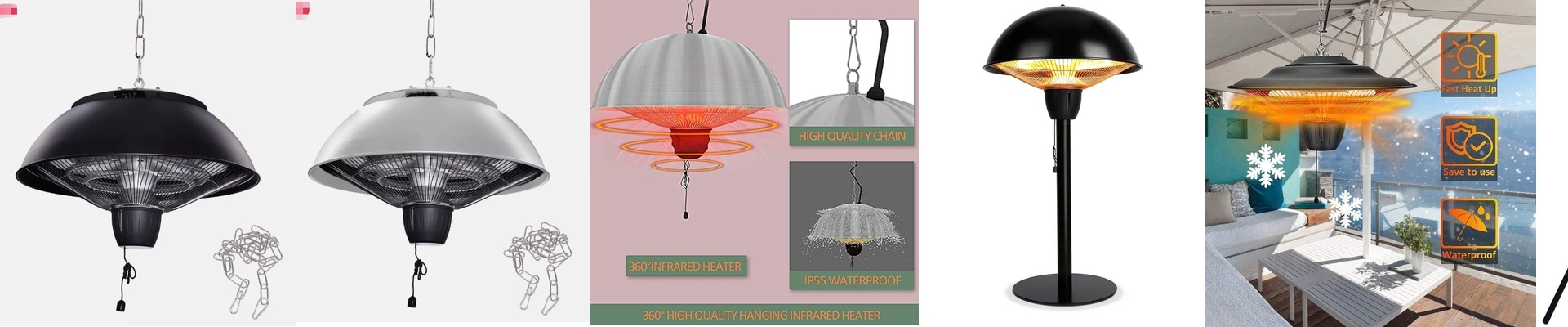
Keeping Livestock Warm When Things Get Wet
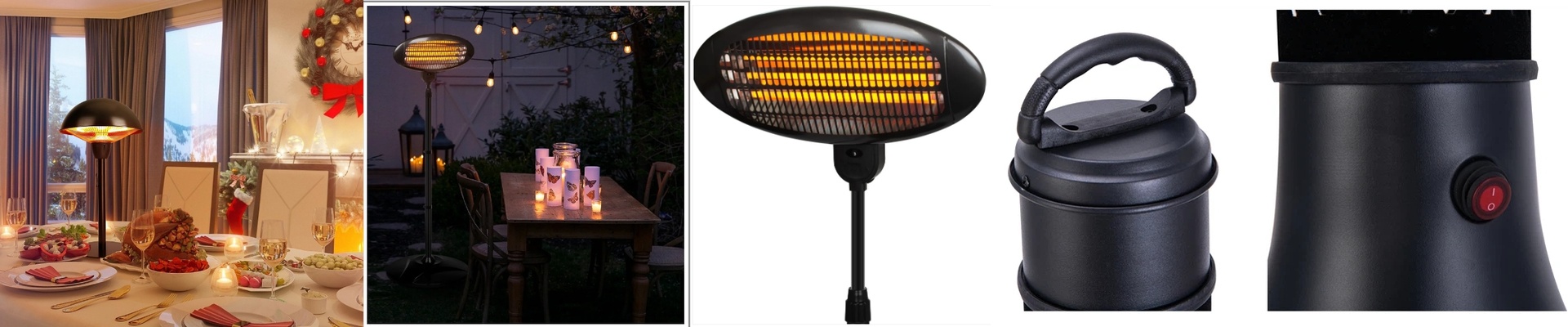
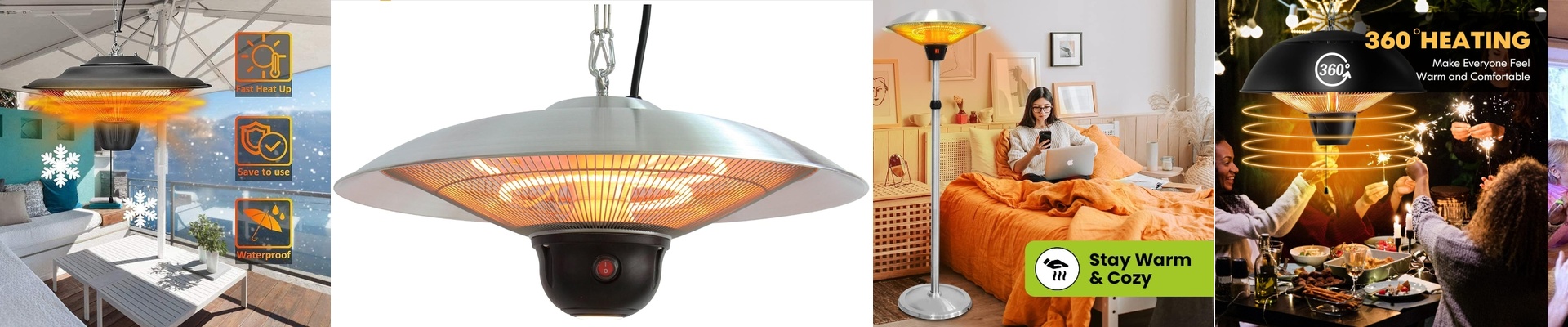
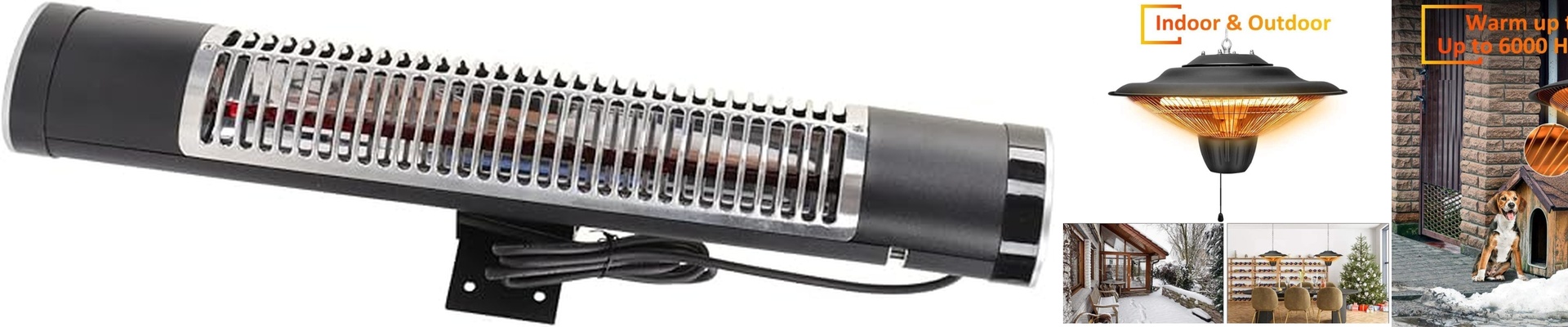
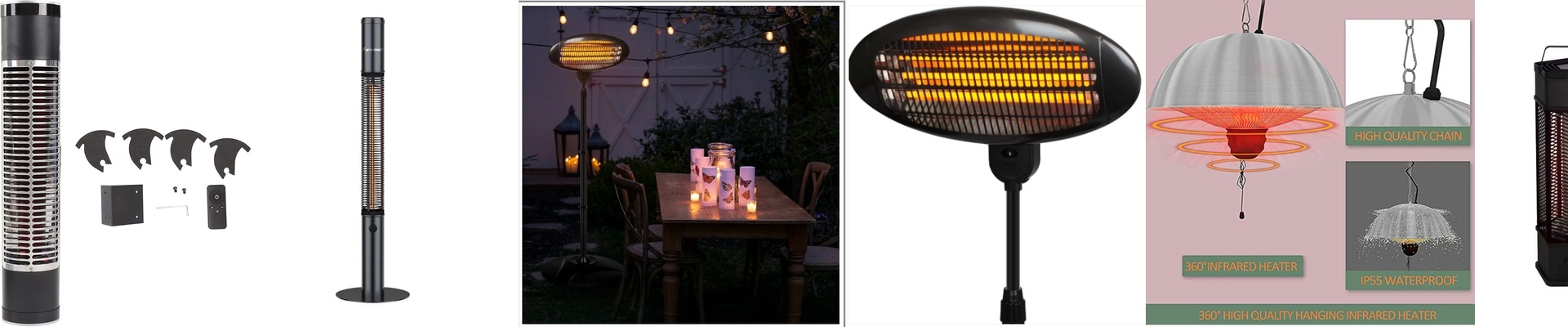
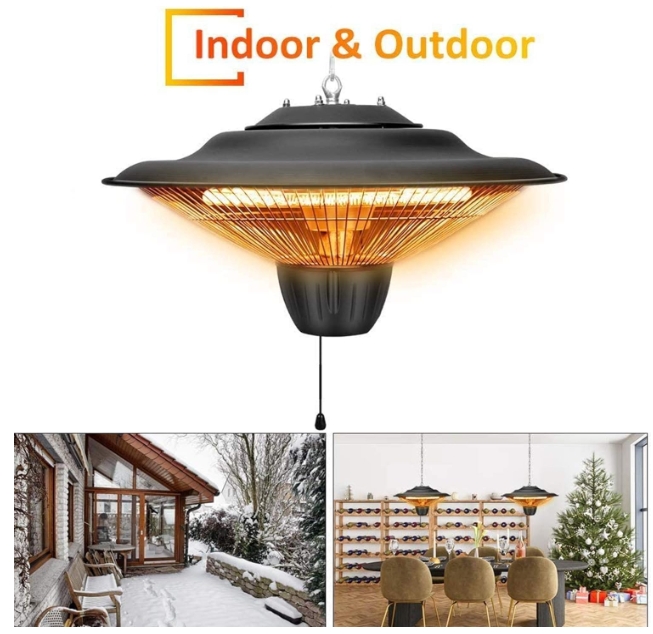
If you’ve ever stepped into a freezing changing room or a damp chicken coop in the middle of January, you know the struggle. Most heaters try to warm up the air, but in a drafty barn or a wet zone, that heat just vanishes the second a breeze hits. It’s a waste of electricity and it doesn’t actually keep the animals warm. That’s why we use shortwave infrared. Instead of fighting the wind, these units send heat straight to the target. It’s more like standing in the sun on a crisp autumn day. You feel the warmth on your skin immediately, even if the air around you is still chilly. No waiting around. One of the best parts is that there’s no “warm-up” period. You flip the switch, the tungsten filament hits its stride, and you have heat. Right now. In a coop or a wet area, drafts are everywhere. Regular heaters just feed the draft. Our IR units basically ignore the air and put the energy exactly where it belongs—on the livestock or the floor. Built for the mess Let’s be honest: moisture and electricity are a terrible mix. To keep things safe, we seal the terminals and use coatings that stop corrosion and short circuits before they start. We also use quartz glass for the envelopes. Why? Because it can handle the shock. You can go from near-freezing to scorching hot in a heartbeat, and the glass won’t crack under the pressure. A quick word of caution These lamps pack a punch. Because the heat is so concentrated, you have to be smart about where you put them. If you hang a lamp too low, you’re going to stress out your animals or even scorch the surface below. It’s all about the mounting height and setting your timers correctly. You want a cozy zone, not an oven. The best part is that these are designed to be drop-in replacements. Just wire it into a moisture-rated junction box, and you’ve got a setup that can handle high humidity without blowing a fuse or burning out.