Stop Losing Money Every Time the Temperature Drops
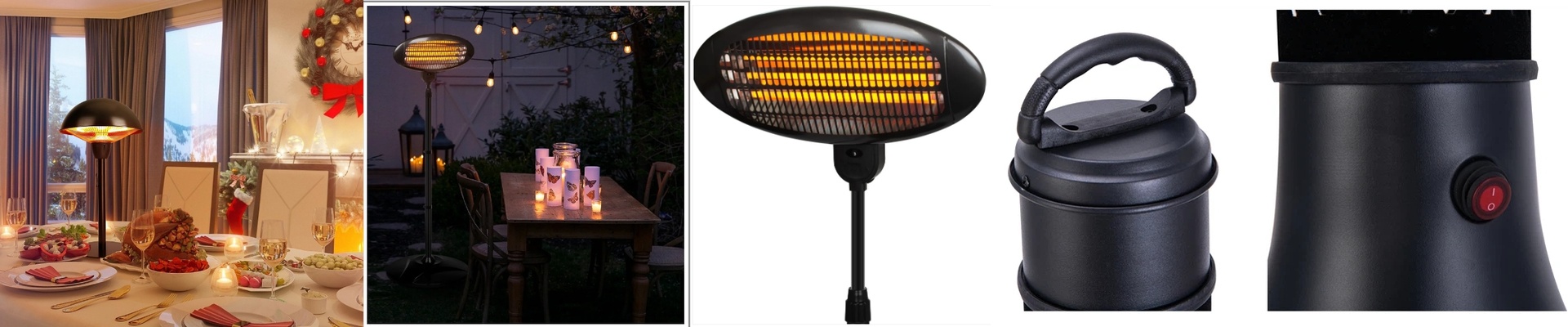
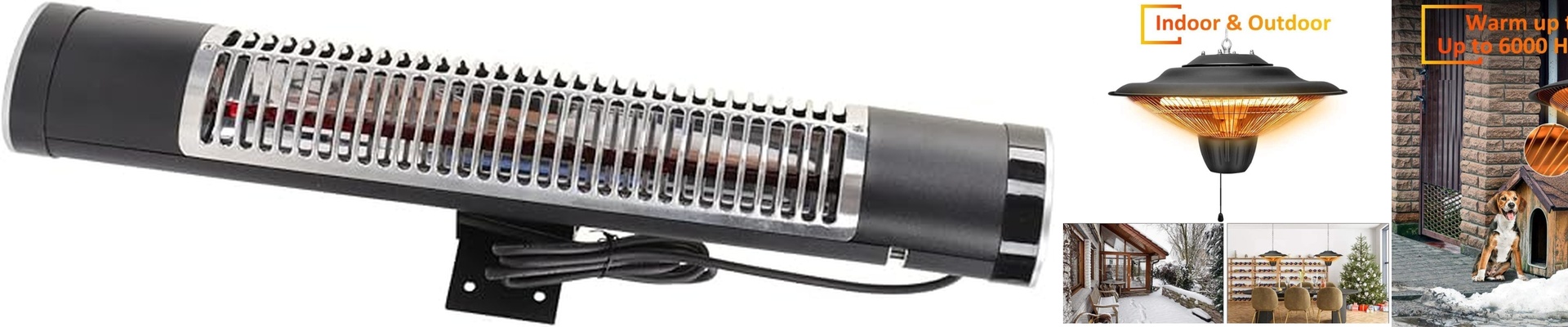
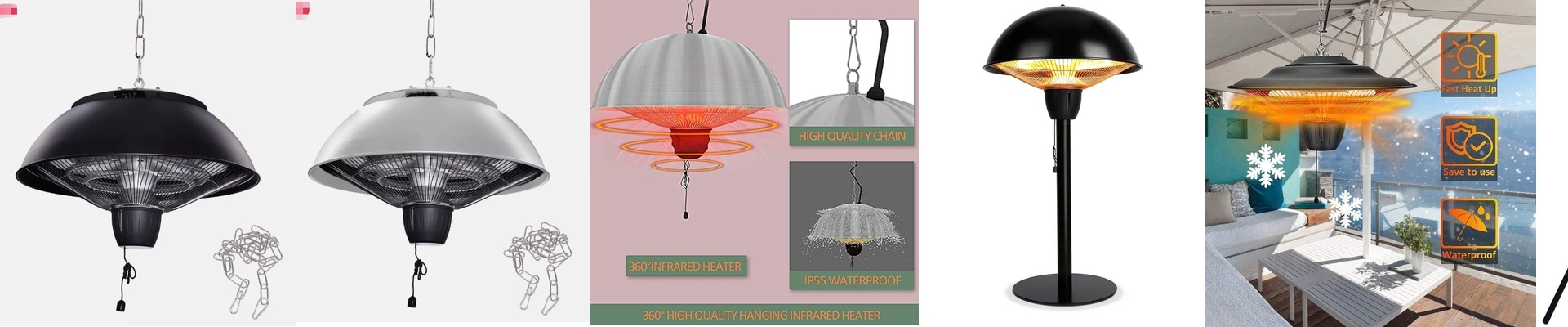
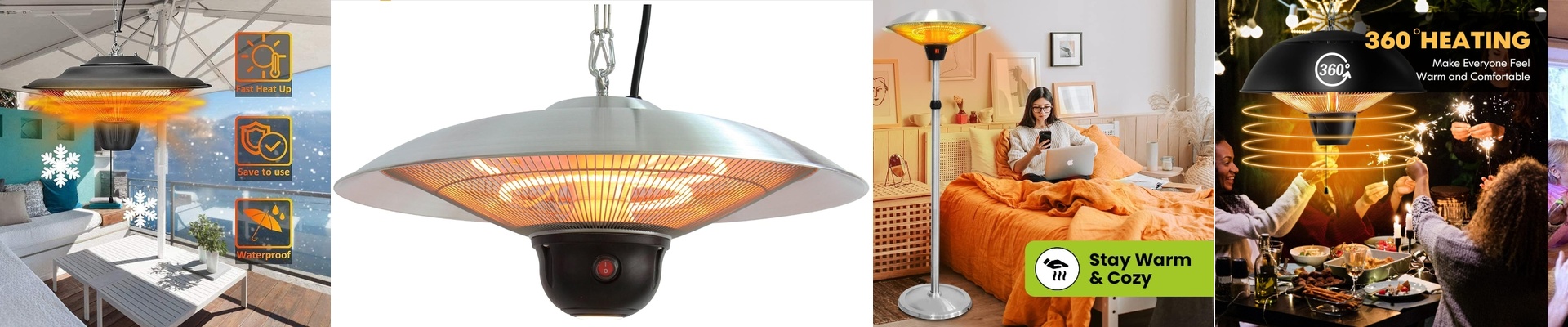
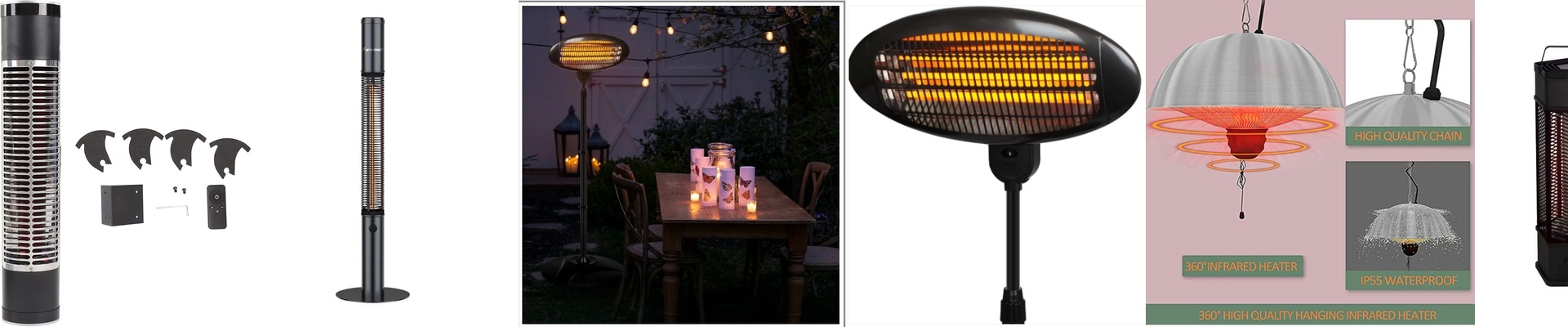
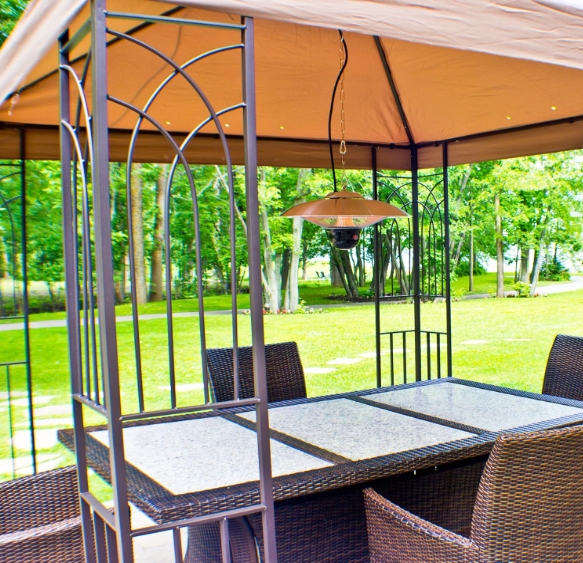
Let’s be honest: a cold patio is a ghost town. Most restaurant owners try to fix this with those standard convection heaters, but they’re pretty much useless outdoors. The second a breeze kicks up, the heat just blows away. Your customers are still shivering, and you’re paying for electricity that isn’t actually doing anything. That’s why we use short-wave infrared. Instead of trying to warm up the air—which is impossible when it’s windy—these heaters go straight for the people. It feels like sitting in a patch of sunlight on a crisp autumn day. Warmth hits you instantly. The Nitty-Gritty on Power If you’re running a nightclub or a busy bar, you need some real muscle to fight off the wind chill. We usually set these up on 220V-240V circuits. It keeps the heat steady and strong without blowing your electrical budget. The best part? The heat stays in a tight, directional beam. You can aim it right at the tables where people are actually sitting. No more wasting energy heating up empty walkways or the parking lot. Built to Take a Beating Outdoor gear gets hammered. Rain, dust, humidity—it’s a mess. We don’t do cheap plastics here. We use IP65-rated housings and heavy-duty gaskets to keep the guts of the machine dry. The heating elements are tucked inside coated quartz glass so they don’t corrode the moment the air gets damp. If a seal leaks, the whole thing shorts out. It’s that simple. That’s why we prioritize reinforced shells over something that just “looks pretty.” Keeping People in Their Seats Here is the real bottom line: cold people leave. When guests are comfortable, they linger. They order another round of drinks. They stay for dessert. By making your patio actually usable in the winter, you’re basically adding more square footage to your business all year long. Just a heads-up, though—these high-wattage arrays pull a lot of power. Before you install twenty of them, have a pro check your breaker panel. You don’t want the lights going dark right in the middle of a Saturday night rush because your wiring couldn’t handle the load.