
Making Your Patio Warm (And Smart) Without the Headache
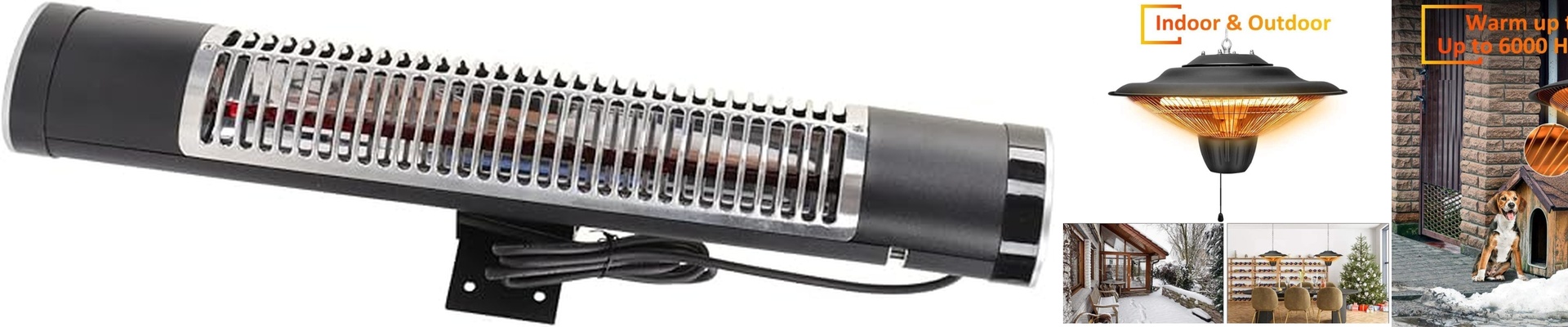
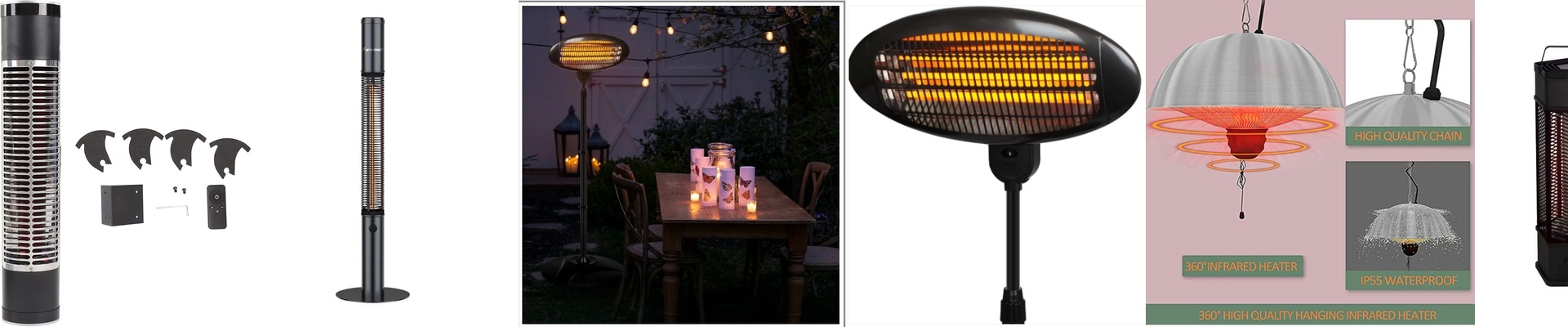
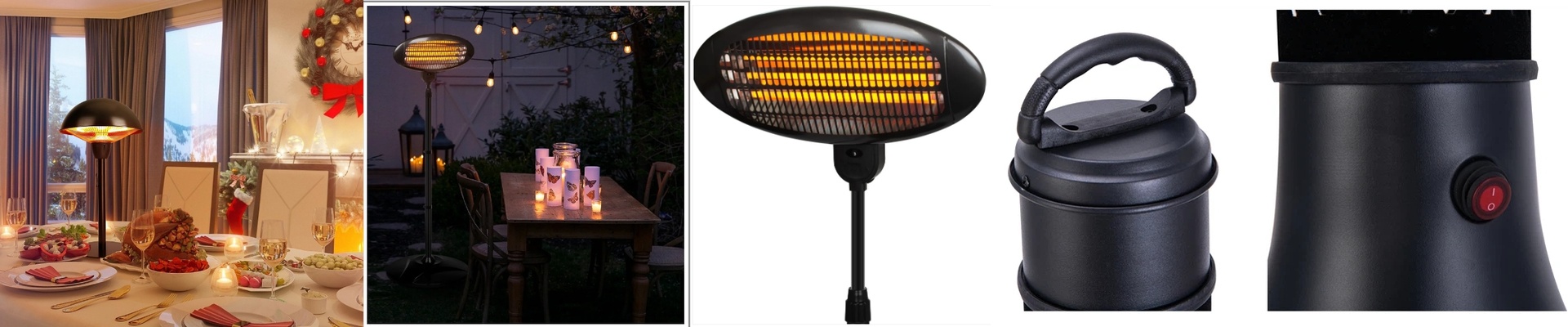
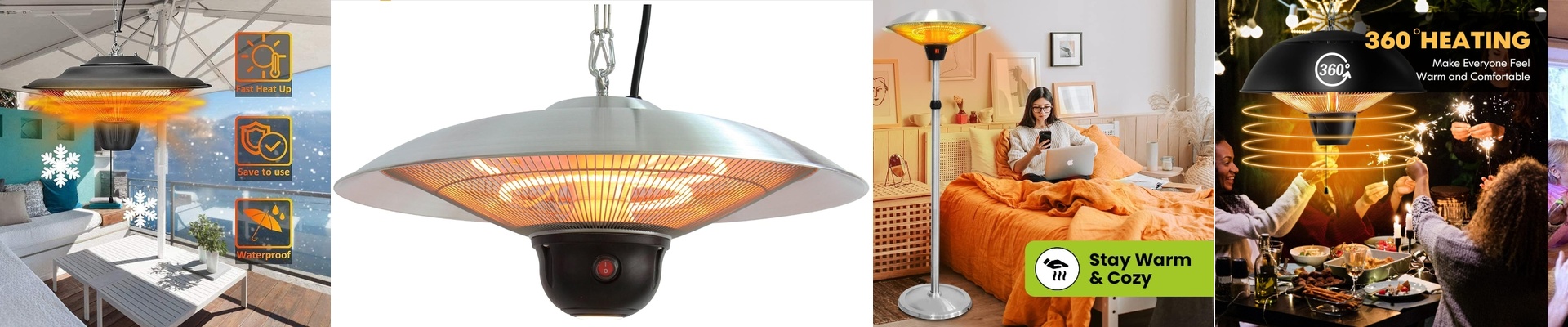
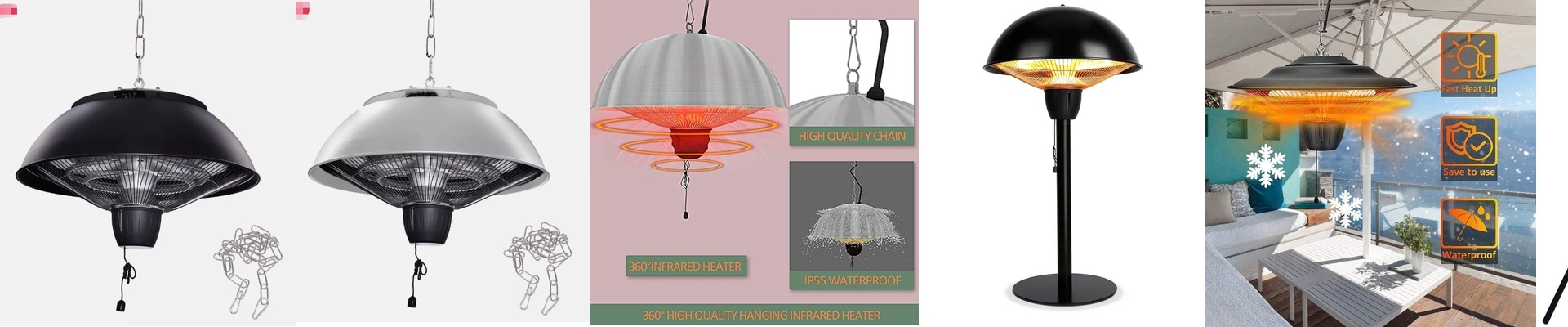
Let’s be honest: nobody likes that awkward moment when you step outside for a drink or a dinner party and realize it’s way too cold to actually enjoy yourself. You want that cozy, sunny feeling, but it’s November. That’s where our IP65 infrared heaters come in. We built these to handle the grit—rain, dust, the whole bit—while blasting out heat the second you turn them on. Instead of trying to warm up the entire outdoor breeze (which is basically impossible), these heaters go straight for you. You feel the warmth on your skin instantly.
That “Instant Spring” Feeling
The secret is in the short-wave infrared emitters. They don’t need to “warm up” like an old oven. They hit their peak temperature in seconds. To make this play nice with your smart home, we tuck a digital relay or a Zigbee/Wi-Fi controller right into the power circuit. So, when you tap a “Winter Mode” button on your phone, the controller snaps shut and sends power straight to the quartz tubes.**Boom. Heat.**No waiting around shivering while the machine gets up to speed.
Setting It and Forgetting It
The real magic happens when you hook these up to a central hub. Imagine this: you have a temperature sensor on your patio. The moment the air dips below 10°C, the heaters just… kick in. You don’t have to go hunting for a switch in the dark or brave the cold to turn things on. It just happens. We wrap everything in IP65 housings because water is the fastest way to kill electronics. It keeps the guts of the heater bone-dry. Just a heads-up, though: make sure your junction boxes are just as weather-resistant. If you use a cheap, leaky box, you’re basically leaving a backdoor open for a short circuit.
A Quick Word on the Heavy Lifting
Here is the thing about high-wattage heaters: they are thirsty for power. If you try to cram four 2000W units onto one single smart relay, you’re probably going to fry the switch. It’s just too much load. You’ve got to be smart about your breakers and use heavy-gauge wiring. Smart controls make life easy, but the actual wires in your wall still have to do the heavy lifting. Get the electrical side right first, and you won’t be staring at a tripped breaker right in the middle of a cold snap.