

Stop Wasting Watts: Why Gold-Coated Twin Tubes Actually Work
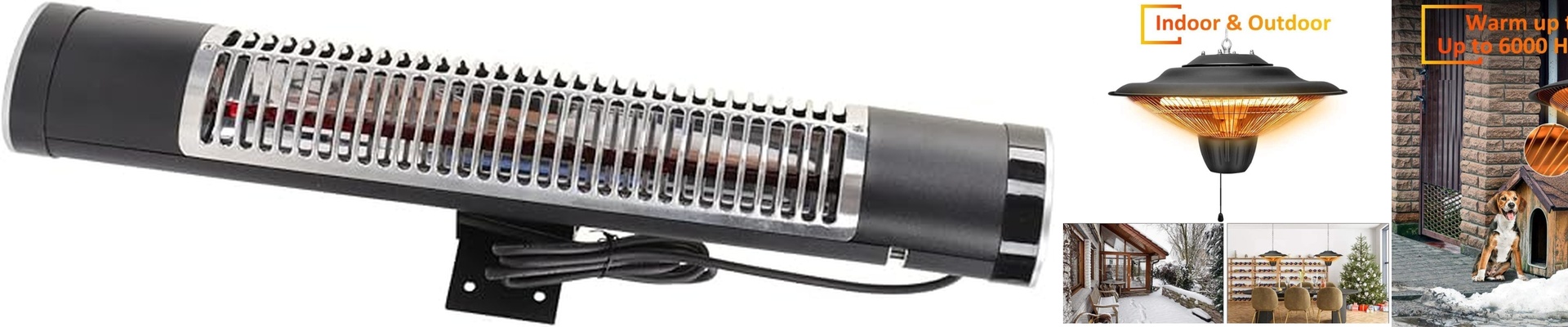
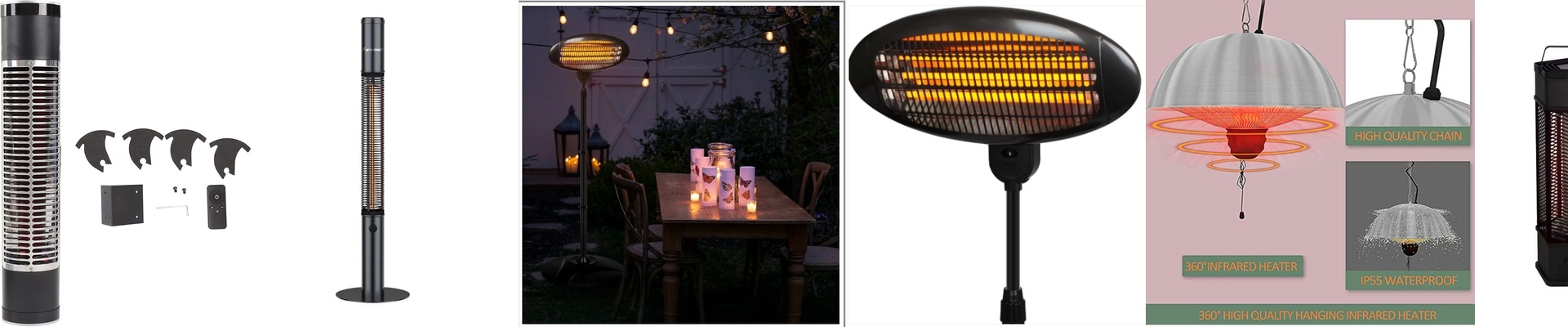
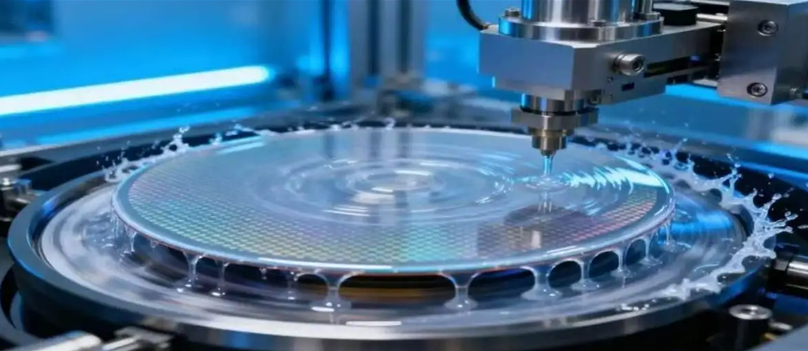
When you’re heating silicon wafers, every single watt counts. If you’re using standard quartz lamps, you’re basically throwing energy away. Those lamps radiate heat in every direction, which means a huge chunk of your power is just warming up the oven walls instead of actually hitting your substrate. It’s a waste. And we found a way to stop it. The Magic of Gold We put a thin layer of gold on the back of the lamp assembly. Now, I know that sounds fancy, but it’s really just about physics. Gold reflects infrared light way better than aluminum or polished steel. Think of it as a thermal mirror. Instead of the heat heading backward into the void, it hits that gold layer and flips 180 degrees right back toward your wafer. You get a massive jump in heat flux, but here’s the best part: you aren’t pulling any more current from your power supply. More Power, Less Space Then there’s the twin tube setup. The goal here was simple: pack more heating elements into a smaller spot. By doubling the filament surface area, we can crank up the total wattage without needing a lamp that’s too long to fit in your chassis. It gives you a much higher heat density. In the real world, that means your ramp-up times get shorter and you can keep the temperature across the wafer surface much tighter. The Catch (Because there’s always one) Look, precision isn’t free. While the gold coating makes things efficient, it changes how the lamp breathes. These tubes run a lot hotter on the filament side. You’ll need to double-check your cooling fans and heat sinks. If your airflow is weak, you’re asking for trouble—you could burn out your connectors or even warp the mounting brackets. Just make sure your cooling can keep up with the concentrated heat. Getting it Running We built these to be drop-in replacements for your standard IR arrays, so you don’t have to rebuild your whole machine. We used industrial-grade connectors to make sure you don’t deal with any annoying arcing under high loads. Just wire them up to a solid PID controller. That’ll give you the steady, narrow temperature windows you need to keep your semiconductor fabrication on track.