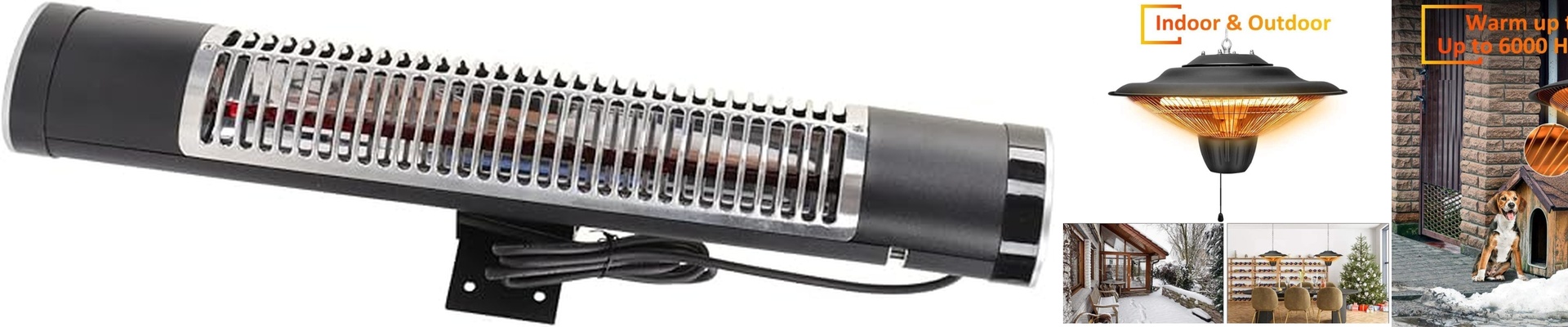
Keeping Your Infrared Heaters Safe in Wet Zones
Let’s be honest: putting infrared heating lamps in a damp spot—like a wash-down station or a humid shelter—is a recipe for disaster if you aren’t careful. When water vapor hits a hot lamp, it condenses. That moisture creates a little bridge for electricity to jump from the live terminals straight to the chassis. If you’re just using a standard housing, you’re basically asking for a short circuit.
How to actually stop the leaks
The real battle is won or lost at the terminal interface. Most of the time, things go south right where the wire enters the lamp holder. To stop that, we lean on IP65-rated sealed connectors and silicone gaskets. It’s all about blocking the moisture from getting inside in the first place. We want those energized parts completely cut off from the outside world. And we don’t stop there. We use double-insulated cabling. Think of it as a backup plan. If the outer jacket gets nicked or takes a beating, that second layer of insulation keeps the wire from grounding out against the metal frame.
Picking the right stuff
We go with high-temperature ceramics for the sockets. Plastics are great for some things, but not here. They tend to warp or crack when they heat up and cool down over and over. Once a crack forms, steam finds its way in. Ceramics just don’t do that. The tubes themselves are quartz, which handles the heat beautifully. But you have to watch the mounting brackets. Make sure they’re non-conductive or tied into a dedicated earth wire. Oh, and if you’re setting this up in a bathroom or anywhere seriously humid,get an RCD (Residual Current Device). No excuses. It’s the only way to sleep easy.
The catch
Here’s the thing: you can’t just keep adding seals and heavy housings without a trade-off. The heater gets bulkier. More importantly, all those waterproof seals trap heat around the socket. If you don’t have enough airflow, those connectors can bake. If you seal the unit too tight without thinking about how the heat escapes, you’ll probably burn out your wiring way sooner than you should.