Getting Infrared Heating Right in Your Smart Fab
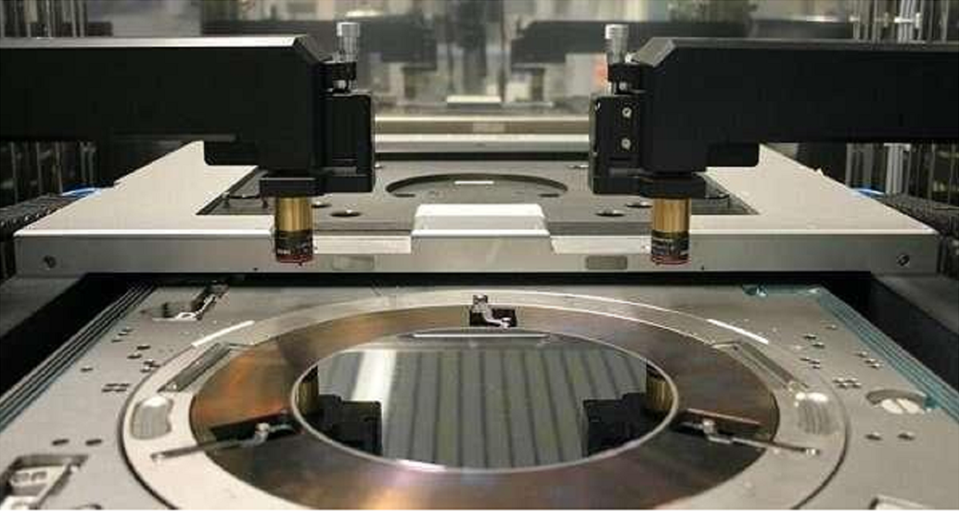
If you’re building a Smart Fab for Industry 4.0, you have to rethink how you handle heat. The old-school resistive heaters just can’t keep up. They’re too slow. When you’re dealing with modern wafer processing, you need something that hits the mark instantly. That’s why we lean on infrared (IR) systems. Instead of wasting time heating up the air or the chamber walls, IR beams the heat directly onto the target. It’s cleaner. It’s faster. Heat that actually listens to your data In a digital line, your heater shouldn’t just be a “dumb” component—it needs to be a data point. The beauty of IR is how fast it ramps up and down. It’s almost instant. Because it reacts so quickly, it’s our go-to for wafer heating. You can link the power output straight to your PLC to keep temperatures locked in across the entire wafer surface. No more guessing games. And when your temperatures stay steady, you stop throwing expensive scrap in the bin. Packing a punch in a small space Space is always at a premium in the fab. We design these systems to fit into those tight, awkward machine footprints. By using short-wave IR emitters, we can cram more energy into a smaller area. You get more heat density—more BTUs per square inch—which means you can shrink your heating zone without slowing down your throughput. It’s a win-win. The catch: Power vs. Cooling Now, here’s the thing. High-output IR systems put out a massive amount of energy. While the wafer gets exactly what it needs, the rest of your chassis takes a bit of a beating from the reflected radiation. You can’t ignore this. If you don’t spec out your cooling jackets and heat sinks properly, you’re asking for trouble. If the cooling isn’t sized for that ambient load, your sensors will start to drift or your components will just burn out way too early. Making it “Smart” A smart factory only works if your hardware can talk back. We pair our IR systems with pyrometers for real-time monitoring. It’s a closed-loop setup. Unlike those old thermocouple systems that always seem to have a lag, this gives you a live look at your thermal profile. You see it happening in real-time, and you can fix it in real-time. That’s total control.