
Stop Your Rinse Station From Acting Like an Oven
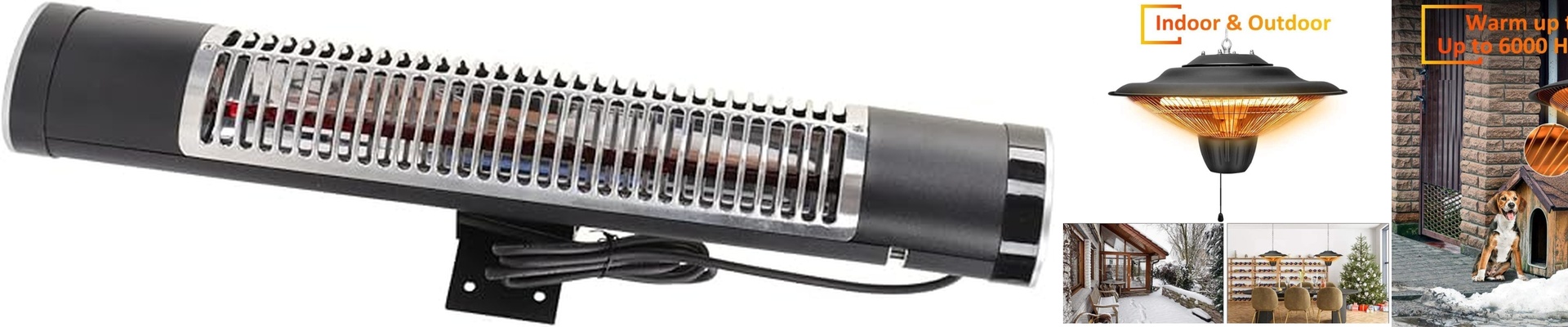
If you’ve ever used standard infrared lamps in a semiconductor rinse station, you know the drill. You open the cabinet and it’s like opening a preheated oven. The inner walls get so hot they can actually burn your operators. It’s a mess. Most lamps just blast heat in every direction, wasting energy and turning your hardware into a giant radiator. We found a better way to handle this: directional infrared. Where is the heat actually going? Think about a standard tube. It throws heat in a 360-degree circle. But in a rinse setup, you don’t care about the walls—you only care about the wafer. We use special reflectors and coated emitters to squeeze that beam. Instead of a wild spray of heat, you get a tight cone focused exactly where it needs to be. This keeps the chassis cool. Plus, you can stop spending a fortune on massive cooling fans or thick heat shielding just to keep the machine from overheating. Dealing with the damp Rinse stations are wet. Really wet. That moisture is a nightmare for electronics. It eats through connections and makes quartz tubes crack. To stop this, we use heavy-duty waterproof seals and reinforced end-caps. If even a tiny bit of vapor sneaks into the filament chamber, the lamp is toast. It’s that simple. You need a seal that can take a constant beating from the rinse spray without shorting out or dying a premature death. The catch (and how to fix it) Now, there’s a trade-off. When you focus all that energy into a narrow beam, the heat density at the target spikes. The walls are safe, but your workpiece is now under a lot more thermal stress. You can’t just “set it and forget it.” You’ll need to spend some time tuning your PID controllers so you don’t overshoot your target temp. If you crank the wattage too high with such a tight beam, you risk scorching the substrate. My advice? Pair it with a high-precision thermocouple. It’s the only way to make sure your process stays steady and your parts stay intact.