Introduction
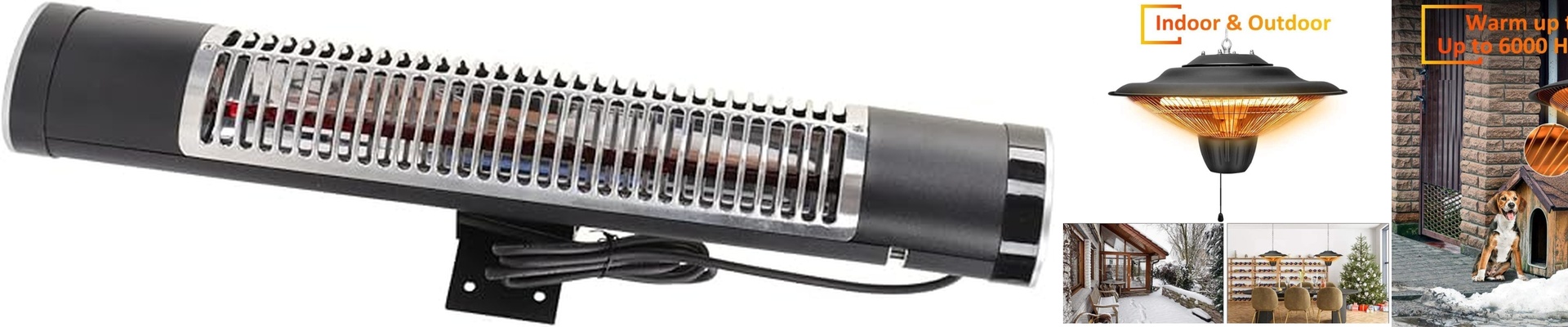
Let’s talk about the heart of semiconductor fabrication—the part where you need heat, and you need it fast. No room for error. No time for downtime. We built our semiconductor heating solution with one thing in mind: keeping your production line moving, even when the pressure is on. It uses infrared lamps that are tough enough to handle high-intensity, around-the-clock work, but smart enough to protect your wafers from contamination. No lamp bursts. No mess. Just clean, steady performance.
Technical Deep-Dive: Power, Voltage, and Dimensions
Here’s the thing: you need a lot of heat packed into a small space. So we designed the lamp to do exactly that. It runs at 400V, pulls 2500W, and fits into a 300mm tube. That combo gives you quick response and tight temperature control—exactly what you need when you’re pushing high volume. The 300mm length? That wasn’t random. It slips right into standard heating zones, so you don’t have to rework the whole chamber. And the 400V input? It lowers the current on your wiring, which cuts down on resistive losses and keeps the socket cooler. But—and this is important—that 2500W density means you need solid cooling. If your cooling can’t keep up, things get hot, and parts wear out faster.
Material and Safety Design
We didn’t cut corners on the tube. It’s quartz, filled with halogen, and built to handle sudden temperature swings without cracking. And just in case something goes wrong, we added a protective coating that catches any debris. So if the envelope fails, the wafer stays clean. No shards. No particles. The R7s connector? It locks in tight, holds up against vibration and temperature shifts, and makes the whole lamp a simple drop-in replacement. Swap it out, and you’re back in business—no rewiring needed. It’s built to stay steady, even when you’re ramping up and down fast.
Application and Benefits
Out on the floor, this setup is made for the heavy lifting of semiconductor heating. The infrared light hits the wafer directly, heats up fast, and stays consistent across the whole tube. Energy use stays low because most of the power turns straight into radiant heat, and the quick response means less wasted energy when the system is idle. And the safety features? They go straight after the biggest risk: lamp burst. By containing any failure and keeping the heating zone isolated, we cut the chance of contamination that can ruin a whole batch. For you, that means fewer surprises on the line, maintenance that stays predictable, and consistent yield—even when you’re running hard.