Introduction
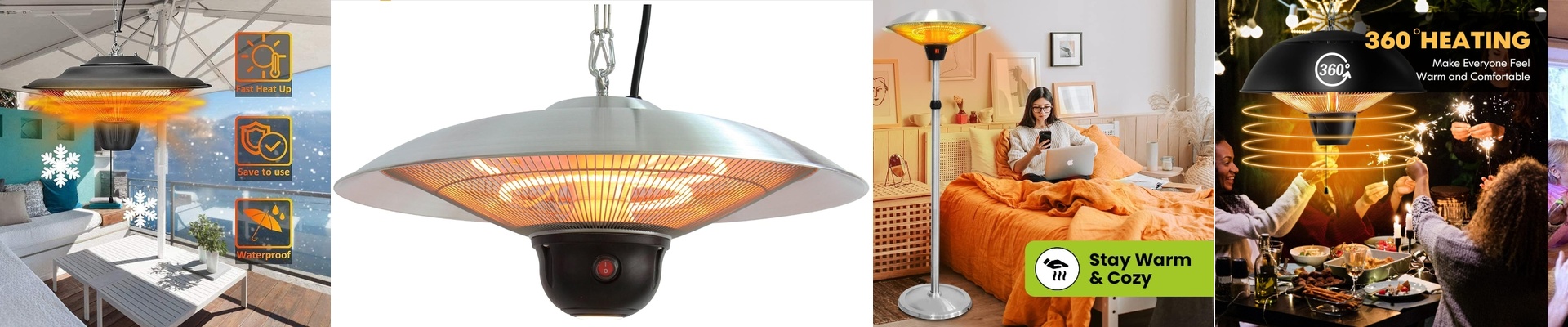
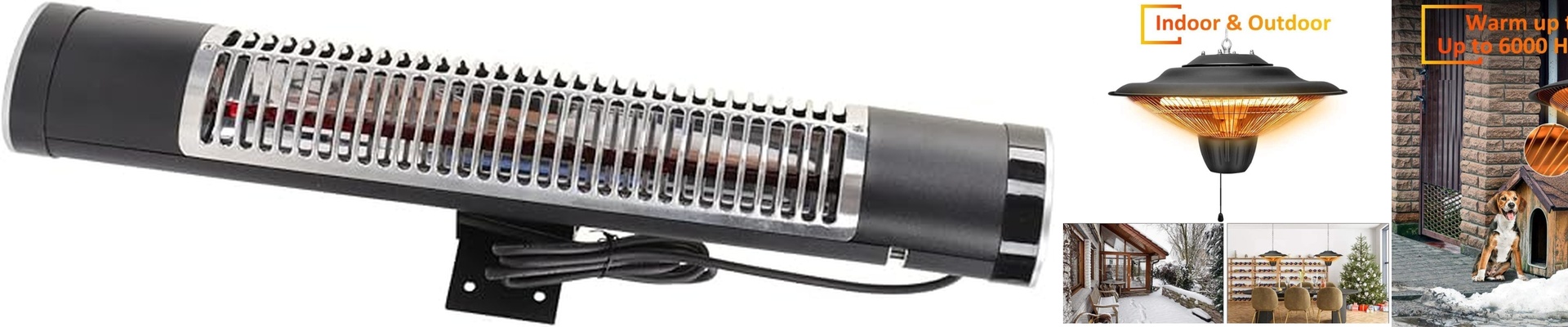
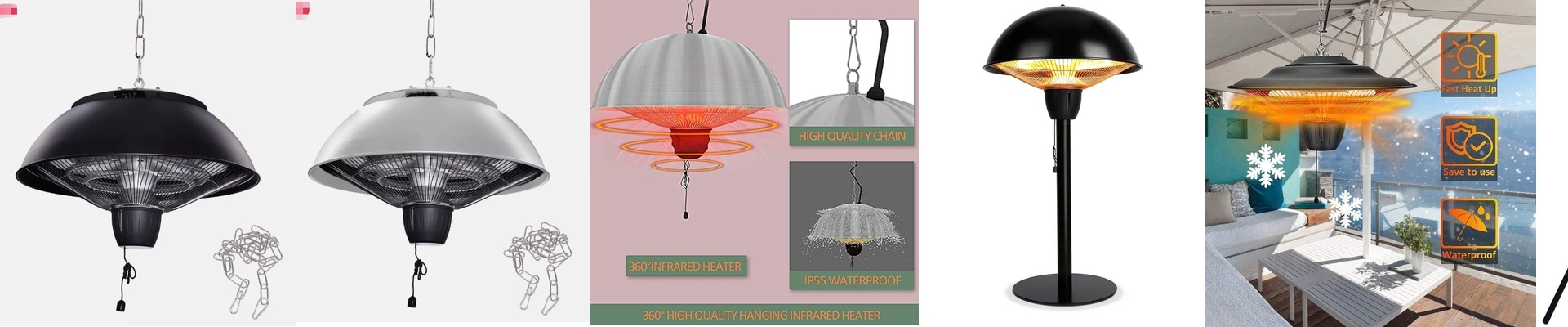
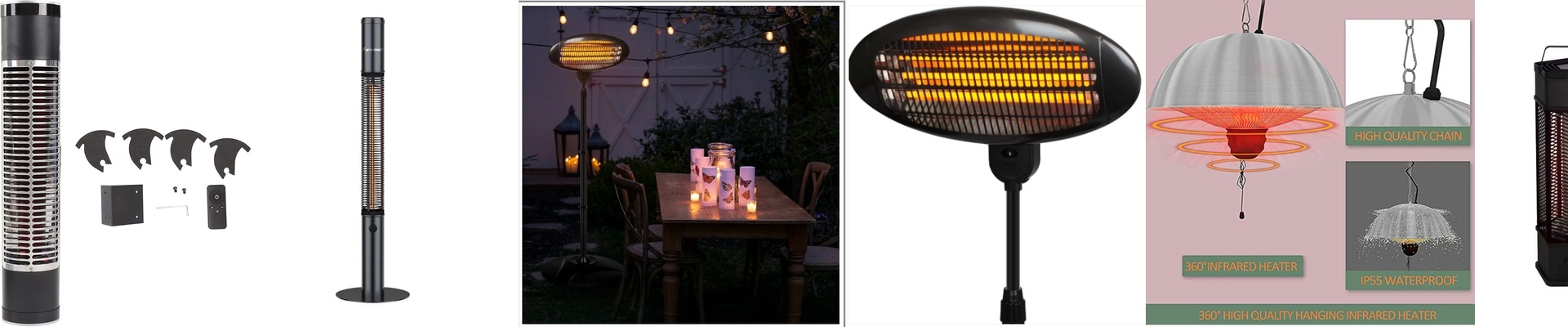
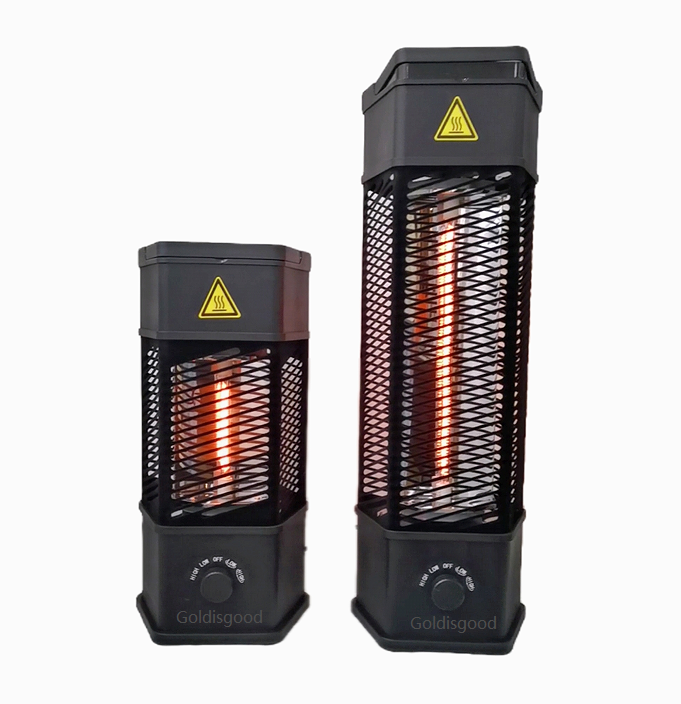
We make tiny electric heaters for engineers who need serious warmth in a small package—without wasting a single watt. Our infrared units don’t warm the whole room. They zero in on exactly what needs heating. So, do they really save power? It comes down to the physics of direct radiation—and the smart engineering behind it.
The Inside Story
Infrared heating turns electricity into radiant heat with impressive efficiency. We design our units to deliver a tight, focused footprint, so the energy goes right where you need it. That 30% reduction in electricity use? It happens because we ditch the losses that come with blowers and convection. You’re not heating air. You’re heating parts, bearings, and specific zones. The payoff? Lower current draw on your line, and less heat stress on everything nearby.
What’s Inside
We use halogen elements inside quartz tubes. They give you stable, high-intensity heat. Quartz handles sudden temperature shifts without cracking, and the halogen cycle keeps the filament strong, even with repeated on-off cycles. The tube coating is engineered to shape the spectrum and cut down on waste. And the connectors? We keep it simple. R7s and SK15 bases mean a secure, tool-free install. These are standard industrial interfaces, so you can wire it up quickly and swap units without redesigning the machine.
Real-World Use
Out on the shop floor, these heaters shine where space is tight and timing matters. They fire up fast, focus the heat on the target, and keep the surrounding area comfortable. They’re perfect for spot heating, preheating a process, and preventing condensation on sensitive equipment. Now, the trade-off: the heat density is high, so your cooling and ventilation need to keep up. In a sealed system, you have to make sure airflow is enough to prevent overheating. Match the unit to the load, and you get consistent performance with power draw you can count on.