How Infrared Mantle Heaters Use Spectral Heat to Cut Bathroom Mold
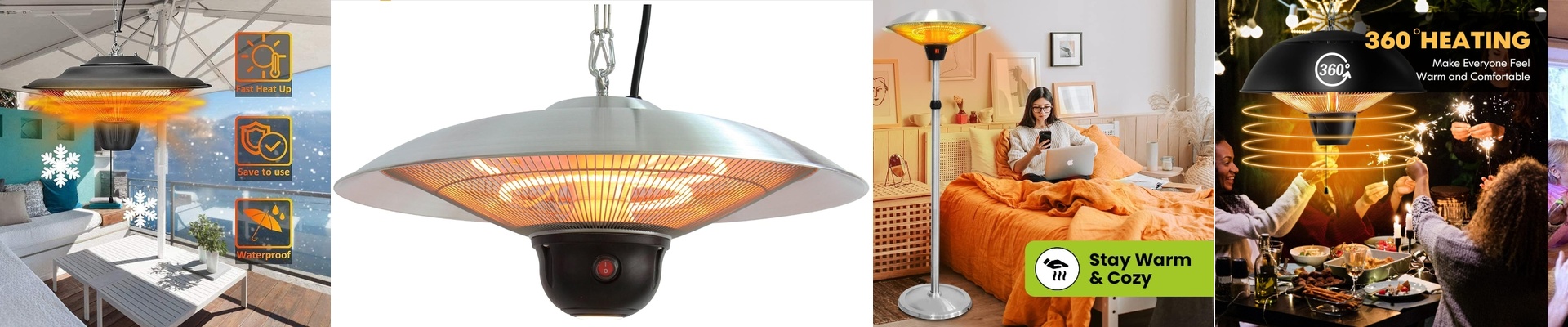
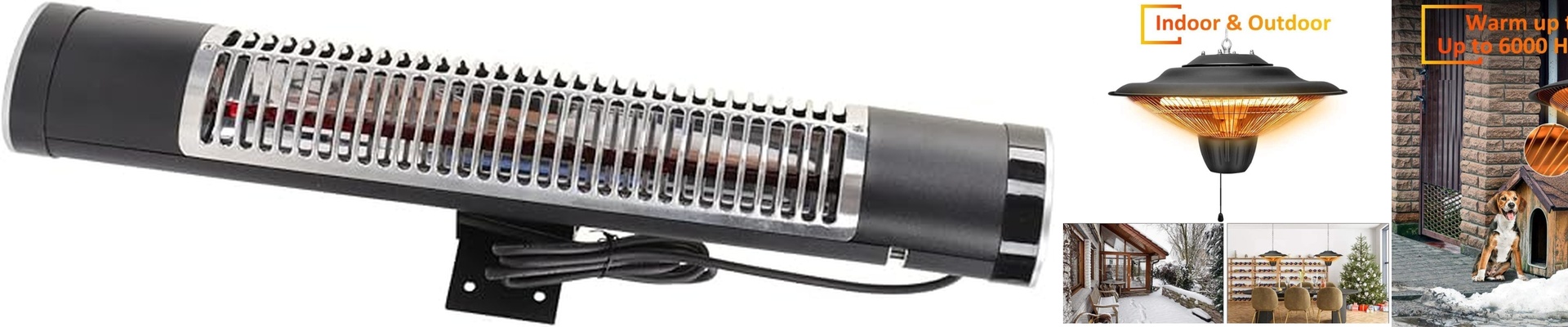
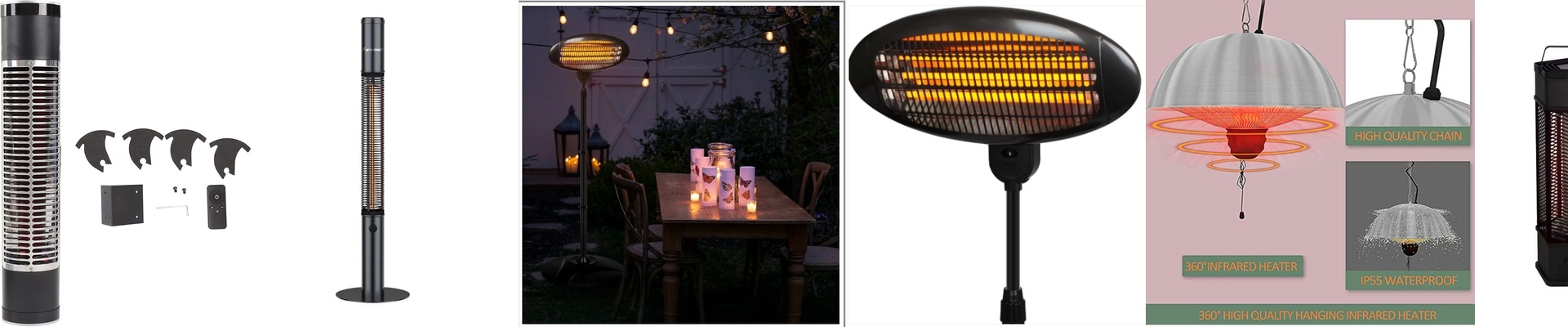
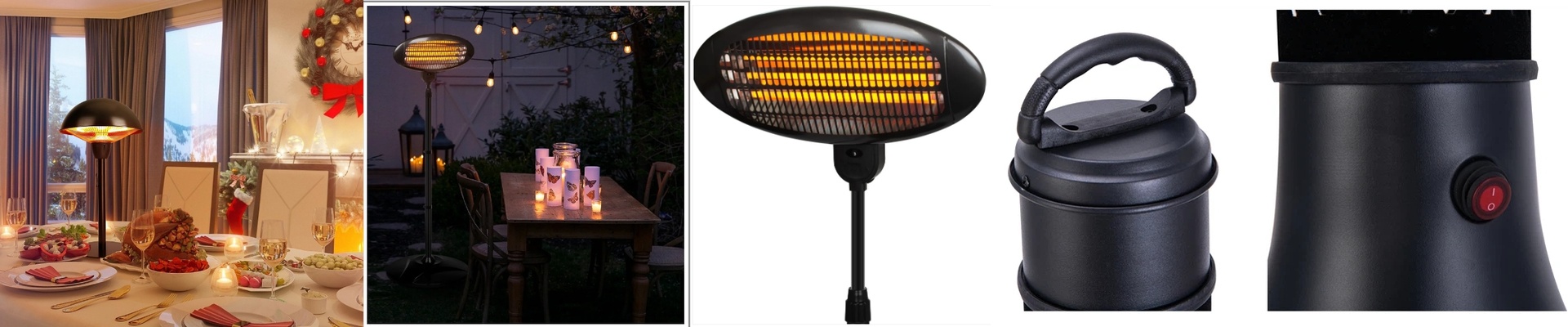
We built our mantle fireplace heaters with one clear mission: give you instant radiant warmth while quietly fighting mold in damp spaces. The magic happens with an infrared lamp that warms surfaces directly—not just the air. That simple shift changes the whole mood where mildew loves to live.
The Power Behind the Warmth
Here’s the heart of it: a compact, high-output quartz tube. Most of our units run around 2500W, designed for 400V. That combo packs serious heat into a small footprint, so you get a fast warm-up and steady performance without tripping typical industrial circuits. The tube itself stays short—about 300mm—so it slips neatly into tight spots and mantle assemblies. Even in a snug enclosure, it still throws a focused wave of heat where you need it most.
Why the Details Matter
We use quartz because it handles quick temperature swings with ease and passes short-wave infrared cleanly. Inside, a halogen fill keeps the filament stable and prevents the tube from darkening over time. That means the output stays consistent, year after year. A reflective coating on the back pushes more energy forward, so more of that radiant heat actually reaches the target surface. For the connection, we chose an R7s connector. It’s a solid industrial fit that locks the tube in place and carries high current without wiggling loose, even with vibration. And because it’s a drop-in solution, you can swap tubes without redesigning the mount.
The Payoff: Warmth That Fights Damp
In a bathroom, infrared heat pulls double duty. It warms walls, floors, and fixtures directly, and it helps with secondary dehumidification by lifting surface temperatures above the dew point. Warmer surfaces mean less condensation—and less condensation means mold has a harder time getting a foothold. This isn’t a cure-all. You still need ventilation. But the spectral heat approach shrinks those cold, damp pockets where mildew tends to thrive. One thing to keep in mind: that 400V, 2500W output needs thoughtful thermal management. Make sure the housing is ventilated or heat-sinked so the surrounding materials stay within safe temperature limits.