Making Industrial Infrared Heaters Actually Smart
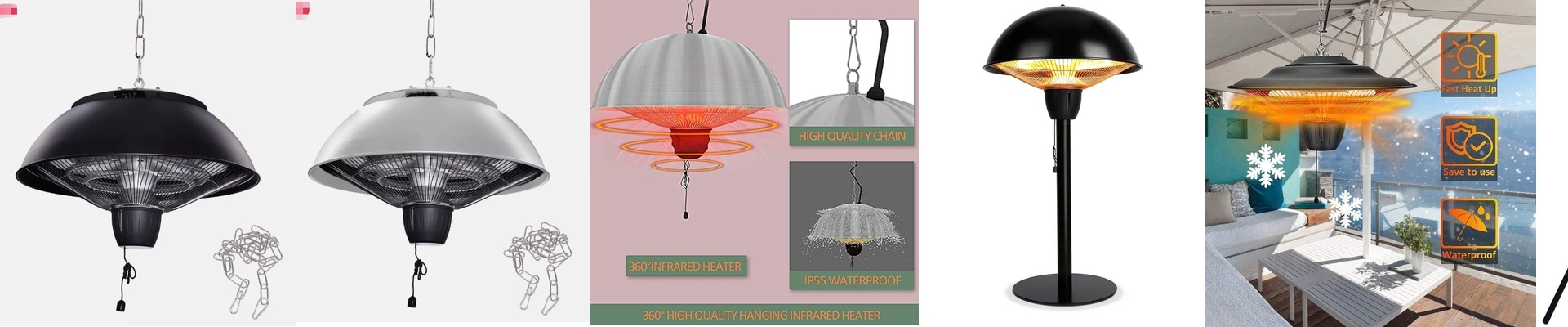
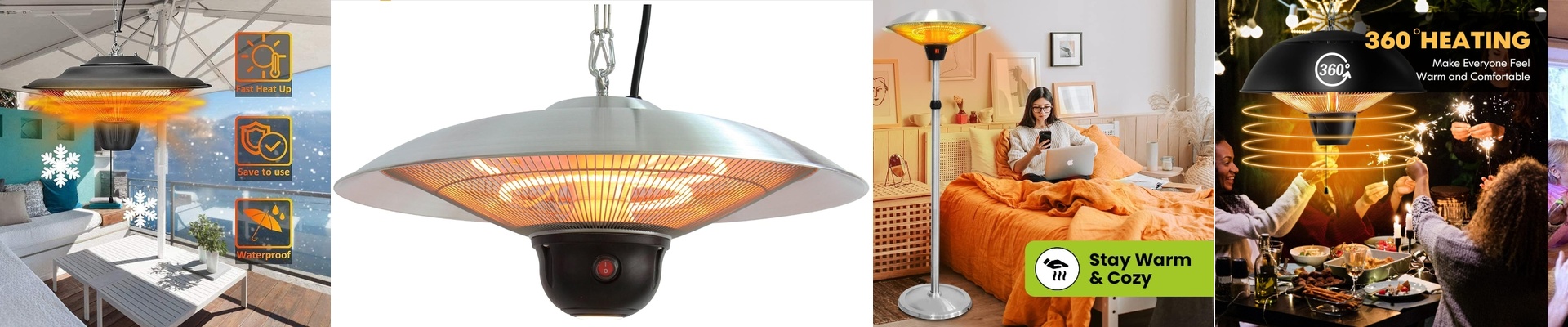
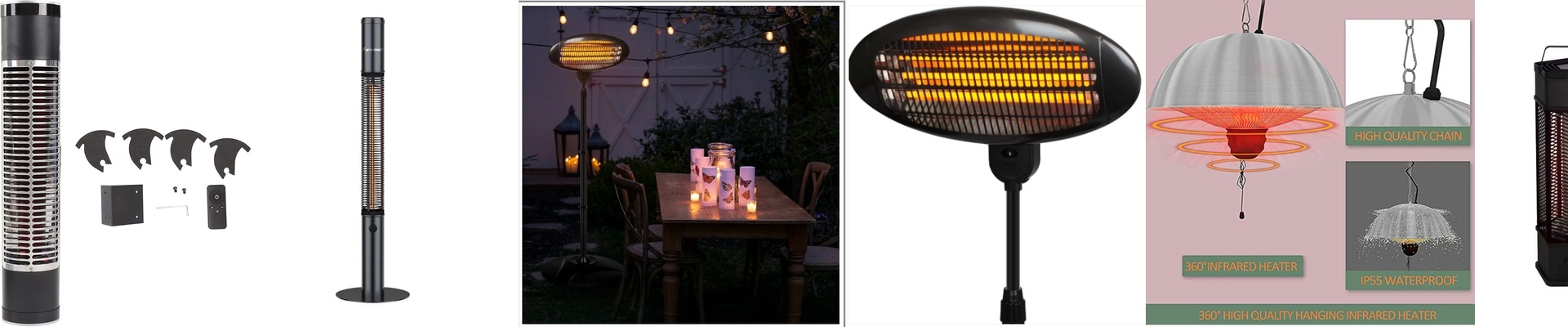
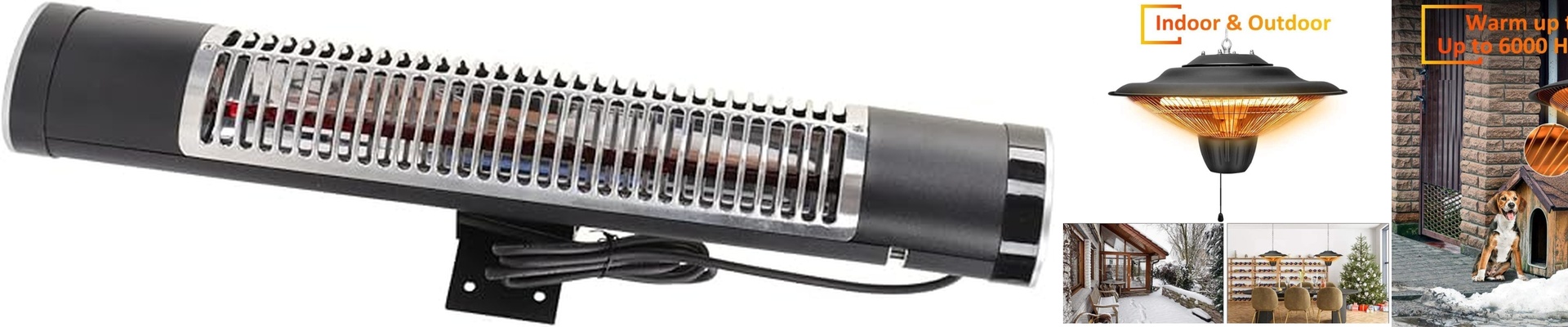
Anyone who’s worked in a warehouse with high ceilings knows the struggle. You’ve got the heat cranked up, but all that warmth just floats up to the rafters, leaving you shivering on the floor. It’s a waste of money and a pain for the crew. The fix is pretty simple: infrared (IR) radiators. Instead of trying to warm the air, these things beam heat straight down to the people and the equipment. But the real magic happens when you stop messing with manual switches and hook the whole thing up to a smart system.
Heat That’s Actually Instant
Here is the cool part about IR. It doesn’t work like a boiler that has to slowly warm up a room. It uses electromagnetic radiation—basically the same way the sun warms your skin. When those waves hit a solid object, they turn into heat immediately. We wire these into smart relays or PLC controllers, and the result is satisfying. You hit “Winter Mode” on your phone or tablet, and the elements are glowing in seconds. No waiting around for a furnace to kick in. You just feel it.
Getting it Under Control
To make this “one-click” simple, we bridge the heavy-duty power of the heaters with a low-voltage smart controller. We usually lean on Zigbee or Wi-Fi contactors to handle the heavy lifting. The logic is straightforward. You send a command, the gateway tells the contactor to flip, and the heaters roar to life. But we don’t just leave them running. We usually toss in some ambient temperature sensors and motion detectors. If a certain zone of the floor is empty, the system just kills the power to those specific radiators. It’s a no-brainer—why pay to heat an empty patch of concrete?
The Catch: Wiring and Power
Now, there is a bit of a hurdle. These IR arrays pull a massive amount of current. **Do not try to run these through a standard smart plug.**You’ll melt something. You need industrial-grade contactors and thick, heavy-gauge wiring to keep the voltage steady. If your electrical panel isn’t ready for a huge surge of power when multiple banks kick in at once, you’re going to be tripping breakers all day. Our trick? We program a staggered start-up in the software. Instead of everything slamming on at once, the heaters wake up in sequence. It keeps the power spikes under control and keeps your lights from flickering.