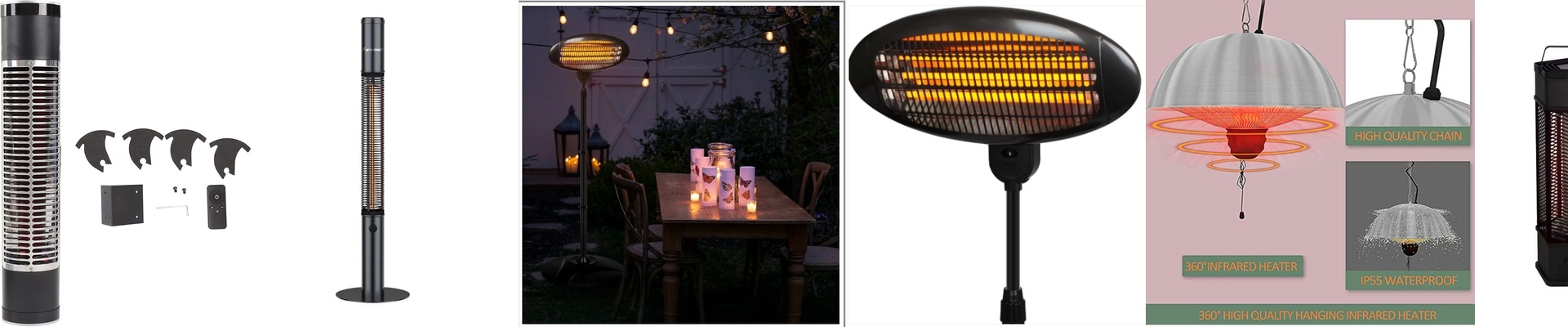
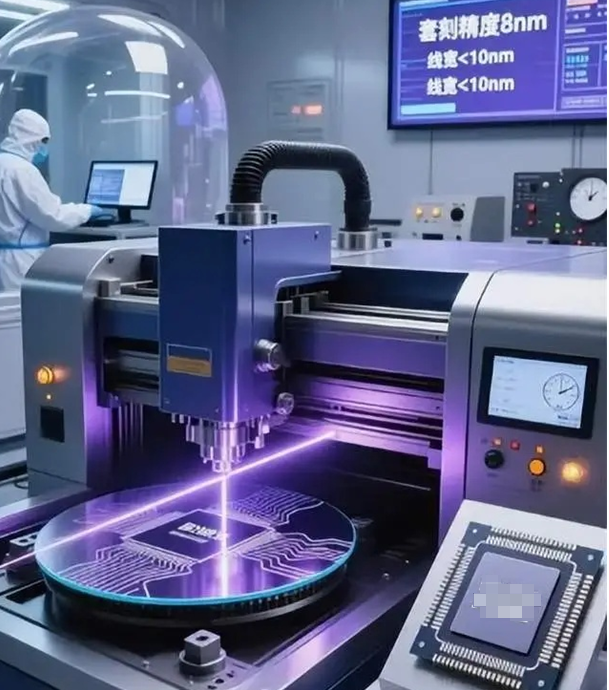
On the lithography floor, you know how it goes. A soft bake that drifts even half a degree shifts your exposure latitude, and then the hard bake starts dumping scum into the lines. You chase focus, tweak the dose, and you’re still staring at edge placement errors that trace straight back to the thermal step. The oven is steady. The hot plate is steady. The bottleneck is the bulb inside the Canon lithography heater module.
What matters, technically We build the Canon lithography heater bulb around a short-wave infrared (SWIR) halogen emitter in a quartz envelope, tuned for fast, direct radiant heating with sub-second response. You get wafer-level thermal uniformity within ±0.1°C across the bake surface, and temperature repeatability that holds tight through thousands of wafers. The filament geometry and reflector path are matched to the heater cavity, so the photoresist sees a repeatable thermal budget—no hot spot at the edge. Why it works in practice Photoresist processing is temperature-driven chemistry. A stable soft bake strips solvent predictably; a controlled hard bake sets the profile without reflow or footing. With this bulb, you hold consistent critical dimension control and cut line-edge roughness—meaning higher yield and fewer rework lots. The design runs 24/7 in Class 1–100 cleanrooms with zero particle generation and low outgassing, so defect counts stay down. Energy use drops, too, because the bulb heats on demand instead of holding a big block at temperature. Here are the field notes Installation is tool-specific. Match the base connector, align the seating plane, and torque to spec—otherwise you risk micro-arcing and hot spots. The bulb is rated for continuous duty, but its lifetime is finite. Schedule replacements during PM windows, and keep spares sealed to protect the quartz from hydrocarbons. Run the module at the specified voltage; overdriving may give you faster response, but you pay for it in life and uniformity.