


Stop Cooking Your Equipment: A Better Way to Heat Wafers
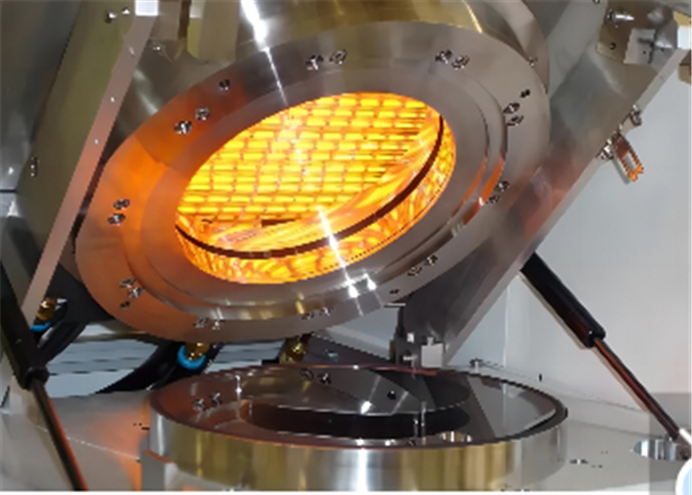
If you’ve spent any time in a semiconductor fab, you know the struggle. You need to get your wafer or substrate up to temperature, but you don’t want to accidentally turn the inside of your machine into an oven. Standard radiant heaters are notorious for this. They bleed heat everywhere. Before you know it, the inner chassis is scorching, which is a nightmare for the components and a genuine safety risk for any tech who has to reach inside. How we actually fix this We lean on short-wave infrared (IR) lamps. Think of it less like a space heater that warms the air and more like a flashlight. By using specific reflectors and focused quartz envelopes, we can push that thermal energy into a tight, controlled beam. The goal is simple: hit the target, and leave the rest of the machine alone. Dealing with the “bleed” Look, you can’t stop every single bit of heat from escaping. But you can definitely manage it. We use high-reflectivity coatings to keep the radiation moving forward. And because we wire these into a PID-controlled loop, the ramp-up is almost instant. You don’t get that slow “heat soak” where the entire tool body eventually becomes one giant heat sink. It just works. The reality of the shop floor Here’s the catch: this is a precision game. If your lamp is off by just a few millimeters, you’re in trouble. You’ll end up with hot spots on your wafer or, worse, you’ll miss the target entirely. You also have to be smart about your cooling. These high-wattage IR tubes put out a massive amount of heat density. If your airflow is choked or your fans aren’t spec’d right, the lamp is going to burn out way sooner than it should. But when you get it right? It’s a breath of fresh air. You can strip away a lot of that heavy thermal shielding on the inner walls. It makes the tool safer for the people maintaining it, and you finally get the heat exactly where it belongs. The machine stays cool. The wafer gets hot. Everyone’s happier.